 New this week · Free UG Handout 02UPSC Mains Directive Words: 60 Meanings, Trends and PYQsTwo free PDFs: The Guide and the With PYQs edition.Read and download
Today’s Canvas
- Berlin Conference anniversary recalls how colonial powers established rules for expansion in AfricaGS I
- Privacy and press freedom raise questions about the limits of India’s data protection lawGS II
- Restrictions involving Sonam Wangchuk renew debate over preventive powers and Ladakh’s constitutional demandsGS II
- Eklavya residential schools highlight the challenges and opportunities in tribal educationGS II
- Government health expenditure reaches ₹4.14 lakh crore as households’ spending share declinesGS II
- PLI schemes achieve 28% of employment target despite stronger investment and production progressGS III
- India and United States report progress on preferential market access in ongoing trade negotiationsGS III
- India’s rice economy faces questions over exports, groundwater use and emissionsGS III
- SIP stoppage ratio rises to nearly 117% in October despite substantial continuing investmentsGS III
- Delhi pollution analysis shows changing contributions from dust, waste burning and seasonal sourcesGS III
- Proposed Siang hydropower project raises concerns over displacement, ecology and local consentGS III
- Expert proposes temporary renewal as India-Bangladesh Ganga Water Treaty nears expiryGS II
- CRPF battalion moved from Chhattisgarh to Manipur as security priorities shiftGS III
- AIIMS New Delhi reports India’s first open foetal surgery to repair spinal defectGS III
History
Berlin Conference anniversary recalls how colonial powers established rules for expansion in Africa
In short: The Berlin Conference illustrates how European powers formalised colonial expansion without representation from African societies.

Why in news
On 15 November 2026, The Indian Express revisited the Berlin Conference on the 142nd anniversary of its opening. The conference began on 15 November 1884 and concluded on 26 February 1885. Convened under German Chancellor Otto von Bismarck, it brought together 14 participating States to establish understandings concerning trade, navigation and colonial territorial claims in Africa. No African representatives participated. The resulting General Act helped create rules for European expansion. Contrary to a common simplification, the conference did not itself draw all of Africa’s later colonial boundaries.
Concept: Imperialism and the Scramble for Africa
Imperialism involves a State extending political, economic or strategic control over other territories and populations. During the late nineteenth century, European competition for African territory intensified as powers pursued trade routes, resources, markets and geopolitical influence. The Berlin Conference attempted to regulate competition among the colonial powers, especially claims to territory and river navigation. Its framework gave priority to European diplomatic arrangements rather than African sovereignty. The subsequent Scramble for Africa reshaped political authority and economies across the continent, producing consequences that extended well beyond the colonial period.
Key facts for Prelims
- The conference was held from 15 November 1884 to 26 February 1885.
- Otto von Bismarck hosted the conference in Berlin.
- Fourteen States participated, without African representation.
- The General Act addressed colonial claims and navigation involving the Congo and Niger river systems.
Mains analysis and way forward
Mains analysis
- Colonial diplomacy largely excluded the people whose territories and futures were being discussed.
- Economic interests and strategic rivalry were important drivers of European expansion.
- Rules framed as orderly international cooperation could facilitate unequal political domination.
- The Berlin Conference should be distinguished from the subsequent territorial conquests and boundary-making processes.
Way forward
- Study colonialism through African perspectives as well as European diplomatic records.
- Distinguish the conference’s actual decisions from later historical consequences.
- Connect colonial economic structures to questions of sovereignty and development in postcolonial societies.
Connect the dots: World history under GS I connects with sovereignty and international institutions under GS II and ethical questions about domination and representation under GS IV.
Sources: The Indian Express, “Berlin Conference 1884-85: How Europe’s colonial ambitions shaped the partition of Africa”, 15 November 2026. German Federal Foreign Office, historical record of the General Act.
Polity, governance and social justice
Privacy and press freedom raise questions about the limits of India’s data protection law
In short: India’s data protection framework raises a difficult question: how can personal privacy be protected without obstructing journalism in the public interest?

Why in news
On 15 November 2026, The Hindu examined the tension between privacy and press freedom. The debate has acquired fresh importance following challenges to the Digital Personal Data Protection Act, 2023. On 27 October 2026, the Supreme Court issued notice to the Centre on a petition by the Digital News Publishers Association challenging provisions of the Digital Personal Data Protection Act, 2023, and the Digital Personal Data Protection Rules, 2025. The petitioners argue that insufficient protection for journalistic activities may restrict legitimate reporting. The Court listed the matter for 17 November 2026. No final ruling had been reported when this edition was prepared. The issue involves two constitutional protections: freedom of speech under Article 19(1)(a) and the right to privacy under Article 21.
Concept: Balancing competing fundamental rights
Article 19(1)(a) guarantees freedom of speech and expression, which includes press freedom. In Justice K.S. Puttaswamy v. Union of India (2017), the Supreme Court recognised privacy as a fundamental right under Article 21. These protections can come into tension when journalism involves personal information. Public interest is different from public curiosity. Reporting that exposes wrongdoing may have a stronger justification than publishing intimate details unrelated to public accountability. Restrictions must also satisfy constitutional standards, including legality and proportionality. Neither right can simply be treated as automatically overriding the other.
Key facts for Prelims
- Article 19(1)(a) protects freedom of speech and expression.
- Article 21 protects life and personal liberty; judicial interpretation includes privacy.
- The Digital News Publishers Association’s challenge concerns provisions of both the DPDP Act, 2023, and the DPDP Rules, 2025. The Supreme Court has not yet decided the challenge.
- The nine-judge bench in Puttaswamy recognised privacy as a fundamental right in 2017.
Mains analysis and way forward
Mains analysis
- Privacy protection can reduce misuse of personal information and protect individual dignity.
- Investigative journalism may require collecting and publishing information without the subject’s consent.
- Excessively broad restrictions can discourage legitimate reporting and weaken public accountability.
- An effective legal framework must distinguish public-interest journalism from unnecessary exposure of private lives.
Way forward
- Clarify safeguards for legitimate public-interest journalism within data protection regulation.
- Apply necessity and proportionality when privacy and expression come into conflict.
- Strengthen independent oversight and effective remedies for misuse of personal data.
Connect the dots: Fundamental Rights under GS II connect with media ethics, accountability and the ethical use of information under GS IV.
Sources: The Hindu, “Privacy vs press freedom: where should the line be drawn?”, 15 November 2026. The Indian Express, Supreme Court notice on digital news publishers’ challenge.
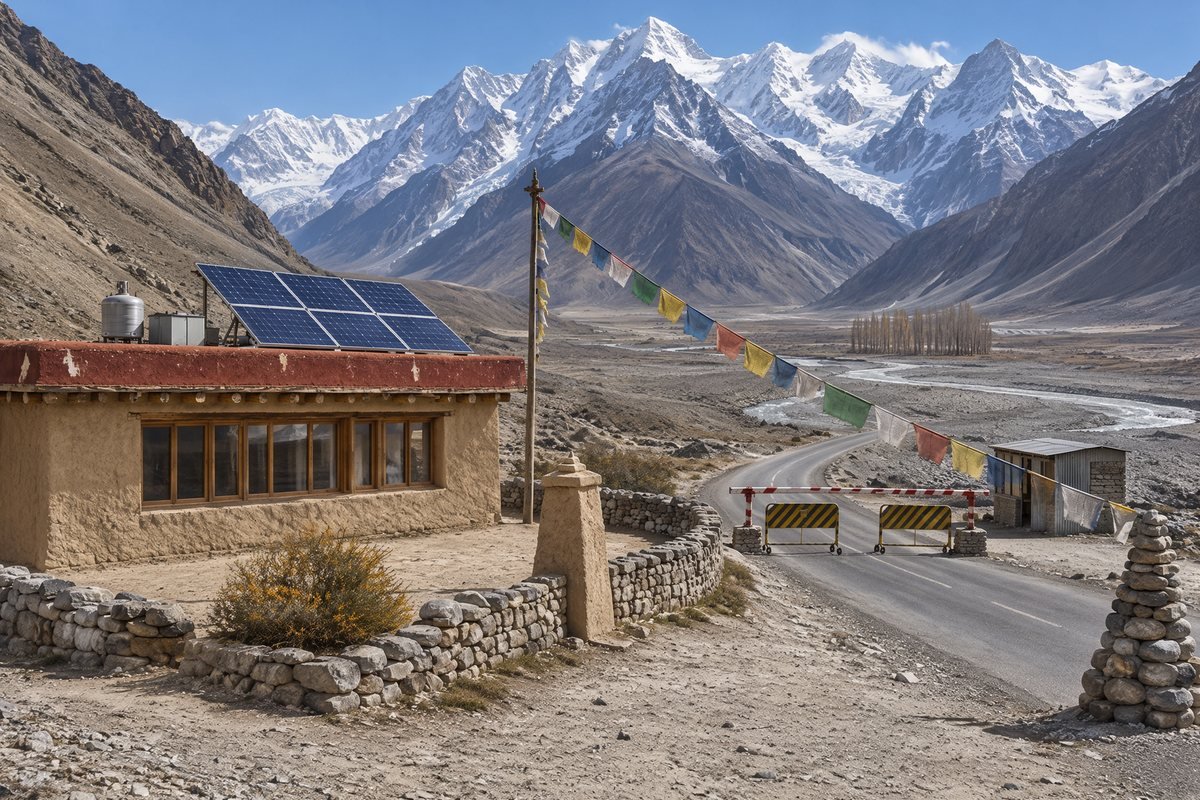
Restrictions involving Sonam Wangchuk renew debate over preventive powers and Ladakh’s constitutional demands
In short: A 60-day restriction order in Ladakh has brought Section 163 of the BNSS and demands for Sixth Schedule protection into focus.
Why in news
On 15 November 2026, The Hindu reported criticism by a Ladakh organisation of restrictions imposed on activist Sonam Wangchuk. The reported order invokes Section 163 of the Bharatiya Nagarik Suraksha Sanhita, 2023, for 60 days. The organisation described the action as administrative high-handedness, an allegation rather than an established legal finding. The restrictions were imposed amid protests in Ladakh calling for renewed talks with the Centre and postponement of the hill council elections scheduled for December. The administration cited public-order concerns and the smooth conduct of upcoming panchayat, municipal and hill council elections. The longer-running demand for Sixth Schedule protection forms part of the wider political context. The central issue is how authorities balance public order with constitutional freedoms.
Concept: Preventive orders under Section 163 of the BNSS
Section 163 allows an empowered Executive Magistrate to issue written orders in urgent situations involving apprehended danger, public disorder or related risks. Such orders are preventive, not criminal convictions. An order issued by a Magistrate under Section 163 ordinarily remains in force for no more than two months. Under Section 163(4), the State Government may extend it by notification for a further period not exceeding six months, subject to the specified statutory grounds. Orders can also be altered or rescinded under the procedures provided in the section. The Sixth Schedule, by contrast, concerns autonomous governance arrangements for specified tribal areas under Article 244(2). It currently applies to designated areas in Assam, Meghalaya, Tripura and Mizoram, not automatically to Ladakh.
Key facts for Prelims
- Section 163 is contained in the Bharatiya Nagarik Suraksha Sanhita, 2023.
- It broadly corresponds to the preventive order-making power formerly associated with Section 144 of the CrPC.
- The Sixth Schedule is linked to Article 244(2) of the Constitution.
- The Sixth Schedule presently covers specified tribal areas in four northeastern States.
Mains analysis and way forward
Mains analysis
- Preventive powers can help authorities respond quickly to credible threats to public order.
- Broad or poorly justified orders can raise concerns about freedom of movement, speech and peaceful assembly.
- Written reasons, proportionality and opportunities for review are important safeguards against arbitrary use.
- Ladakh’s Sixth Schedule demand reflects questions of tribal identity, land protection and local decision-making.
Way forward
- Ensure preventive orders have clear grounds, limited scope and periodic scrutiny.
- Facilitate dialogue on Ladakh’s governance and constitutional protection demands.
- Prefer proportionate, evidence-based public-order measures over unnecessarily broad restrictions.
Connect the dots: Public-order powers under GS II connect with tribal self-governance, federal arrangements and administrative ethics.
Sources: The Hindu, “Restrictions on Sonam Wangchuk a pattern of administrative high-handedness, says Ladakh body”, 15 November 2026. Bharatiya Nagarik Suraksha Sanhita, 2023 (official text).
Eklavya residential schools highlight the challenges and opportunities in tribal education
In short: A 15 November opinion article highlights residential schooling, bridge courses and local access as measures to improve education for tribal children.
Why in news
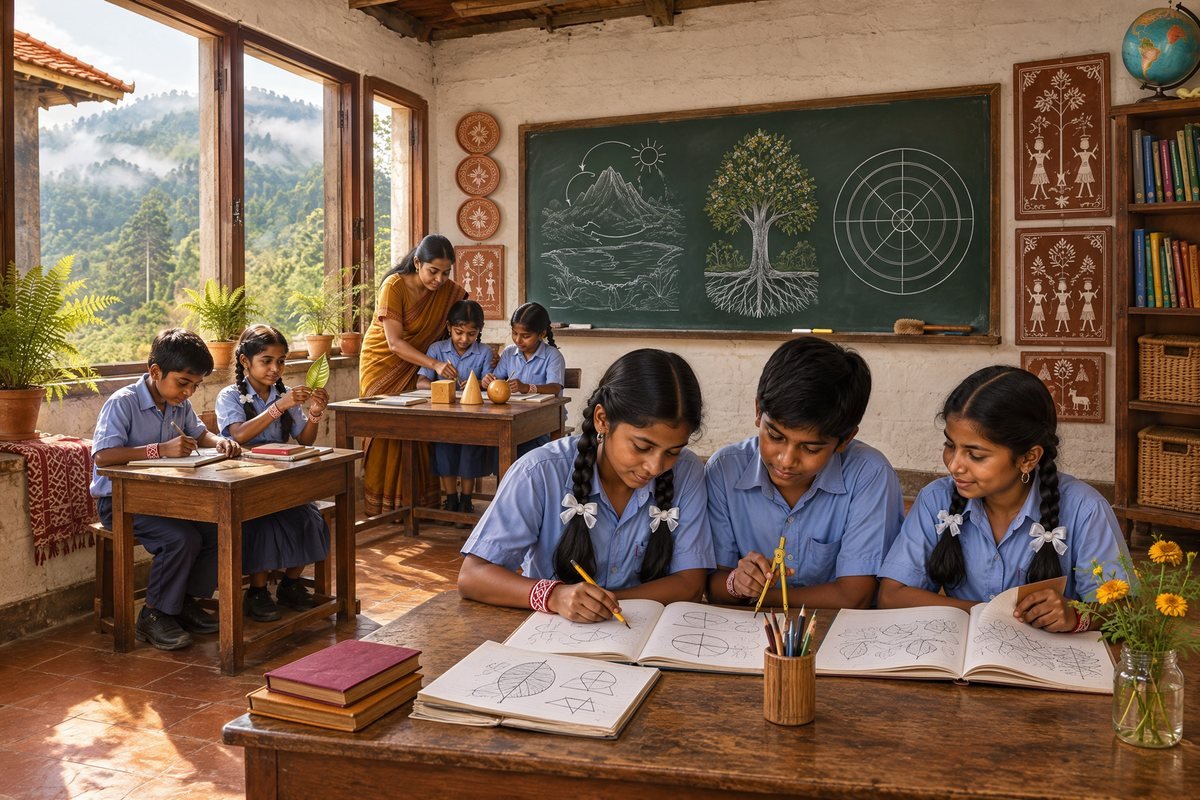
On Janjatiya Gaurav Divas, 15 November 2026, Vice-President C. P. Radhakrishnan wrote in The Indian Express about the Eklavya Model Residential Schools programme. He highlighted its expansion after the 2018-19 Budget and support for first-generation learners. Under the revised coverage approach, eligible blocks have more than 50% Scheduled Tribe population and at least 20,000 tribal residents, based on Census 2011. The programme also includes a 65-day bridge course for newly admitted Class VI students. The article presents a policy perspective, not an independent impact evaluation.
Concept: Equity in education and residential schooling
Equal educational opportunity does not necessarily mean providing identical support to every child. Children living in remote tribal areas may face barriers involving distance, language, infrastructure and household resources. Residential schools can address some geographical constraints by combining accommodation and schooling. However, effective inclusion also requires culturally responsive teaching, mother-tongue support, safe living conditions and continuity with local communities. Bridge courses help students adjust to curriculum demands without treating differences in prior access as differences in ability. Educational equity therefore depends on both access and learning outcomes.
Key facts for Prelims
- Eklavya Model Residential Schools operate under the Ministry of Tribal Affairs.
- The National Education Society for Tribal Students was established in 2019.
- Under the revised EMRS coverage approach, eligible blocks have more than 50% Scheduled Tribe population and at least 20,000 tribal residents, based on Census 2011.
- The programme provides for a 65-day bridge course for newly admitted Class VI students.
Mains analysis and way forward
Mains analysis
- Residential schooling can improve access where settlements are remote and secondary schools are distant.
- Language barriers and unfamiliar school environments can affect first-generation learners.
- Good enrolment figures do not automatically establish improvements in learning or completion rates.
- Community participation and culturally appropriate instruction are essential for long-term success.
Way forward
- Assess schools using learning outcomes, retention, safety and student well-being.
- Strengthen bilingual instruction, bridge courses and teacher support.
- Involve tribal communities in educational planning and regular monitoring.
Connect the dots: Tribal education under GS II links with social stratification and cultural diversity under GS I and distributive justice under GS IV.
Government health expenditure reaches ₹4.14 lakh crore as households’ spending share declines
In short: National Health Accounts estimates show rising government health spending and a smaller share of total expenditure paid directly by households.
Why in news
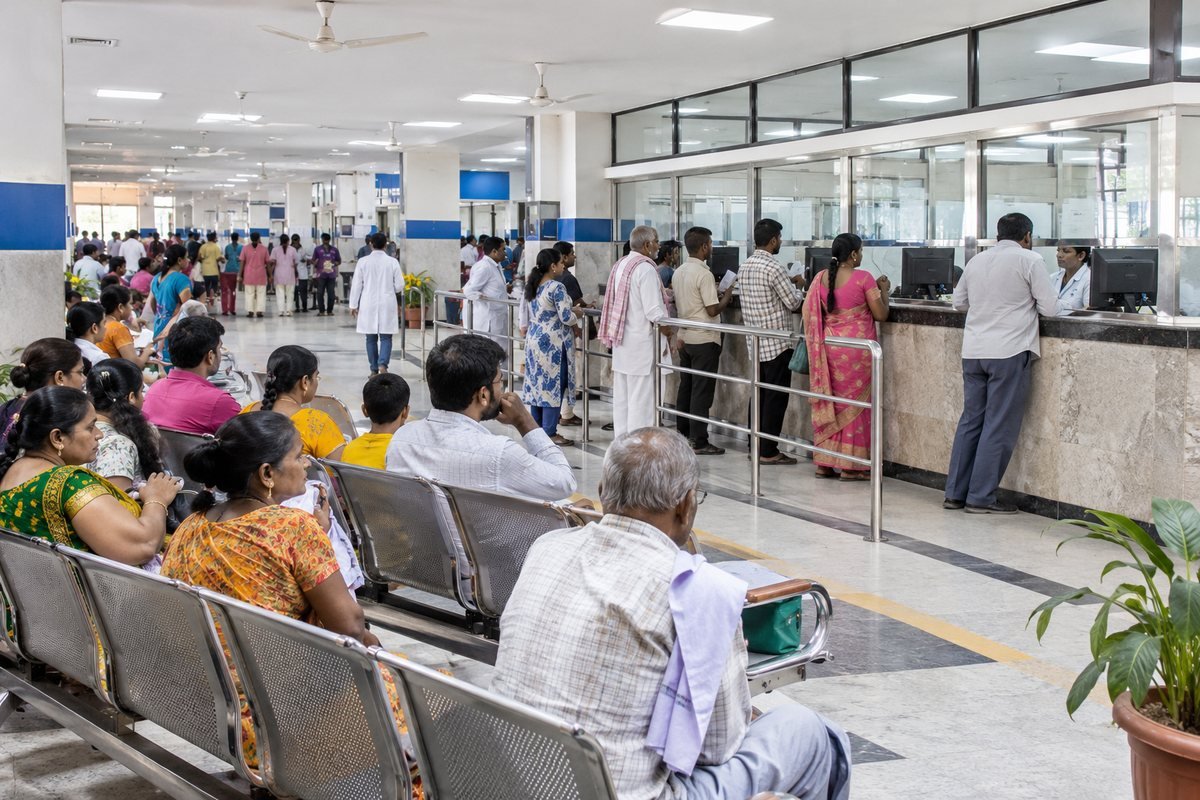
On 15 November 2026, the Ministry of Health and Family Welfare released National Health Accounts estimates for 2023-24. Government health expenditure increased from ₹1,29,778 crore in 2013-14 to ₹4,14,196 crore in 2023-24. Over the same period, out-of-pocket expenditure as a share of total health expenditure fell from 64.2% to 42.7%, a decline of 21.5 percentage points. This describes a change in the share of health spending financed directly by households, not necessarily a fall in the absolute amount that every household pays. Per capita government health spending increased from ₹1,042 to ₹2,959. These estimates describe health financing, not a direct measurement of medical outcomes.
Concept: Health financing and financial protection
Total Health Expenditure includes spending on health services and goods from public and private sources. Government Health Expenditure is one component of that total. Out-of-pocket expenditure refers to payments households make directly for healthcare when using services. A high out-of-pocket burden can delay treatment and expose households to financial hardship. Public funding, pooled insurance arrangements and affordable medicines may improve financial protection. However, a falling expenditure share does not necessarily mean every household spends less in absolute terms, nor does higher spending alone establish better quality or equitable access.
Key facts for Prelims
- The latest estimates discussed here relate to financial year 2023-24.
- Government Health Expenditure was ₹4,14,196 crore.
- Out-of-pocket expenditure accounted for 42.7% of Total Health Expenditure.
- Government health spending per person was estimated at ₹2,959.
- The National Health Accounts 2023-24 estimates were prepared by the National Health Accounts Technical Secretariat at the National Health Systems Resource Centre, using the System of Health Accounts 2011 framework.
Mains analysis and way forward
Mains analysis
- Increased public spending can strengthen healthcare access and reduce dependence on direct household payments.
- The remaining 42.7% out-of-pocket share shows that financial protection remains an important concern.
- Nominal spending growth must be distinguished from inflation-adjusted improvements.
- Financing indicators should be assessed alongside access, quality, outcomes and differences among regions and income groups.
Way forward
- Strengthen primary healthcare, essential medicines and diagnostic services.
- Track catastrophic and impoverishing health expenditure among vulnerable households.
- Publish accessible, comparable health-financing and service-delivery indicators.
Connect the dots: Health expenditure under GS II connects with poverty reduction, fiscal policy under GS III and equity in public service delivery.
Sources: The Hindu, “India’s health spending triples to ₹4.14 lakh crore but out-of-pocket share drops to 42.7%”, 15 November 2026. Ministry of Health and Family Welfare, PIB release, 15 November 2026.
Economy and agriculture
PLI schemes achieve 28% of employment target despite stronger investment and production progress
In short: A NITI Aayog assessment finds that employment under 14 PLI schemes has grown more slowly than investment and production.
Why in news
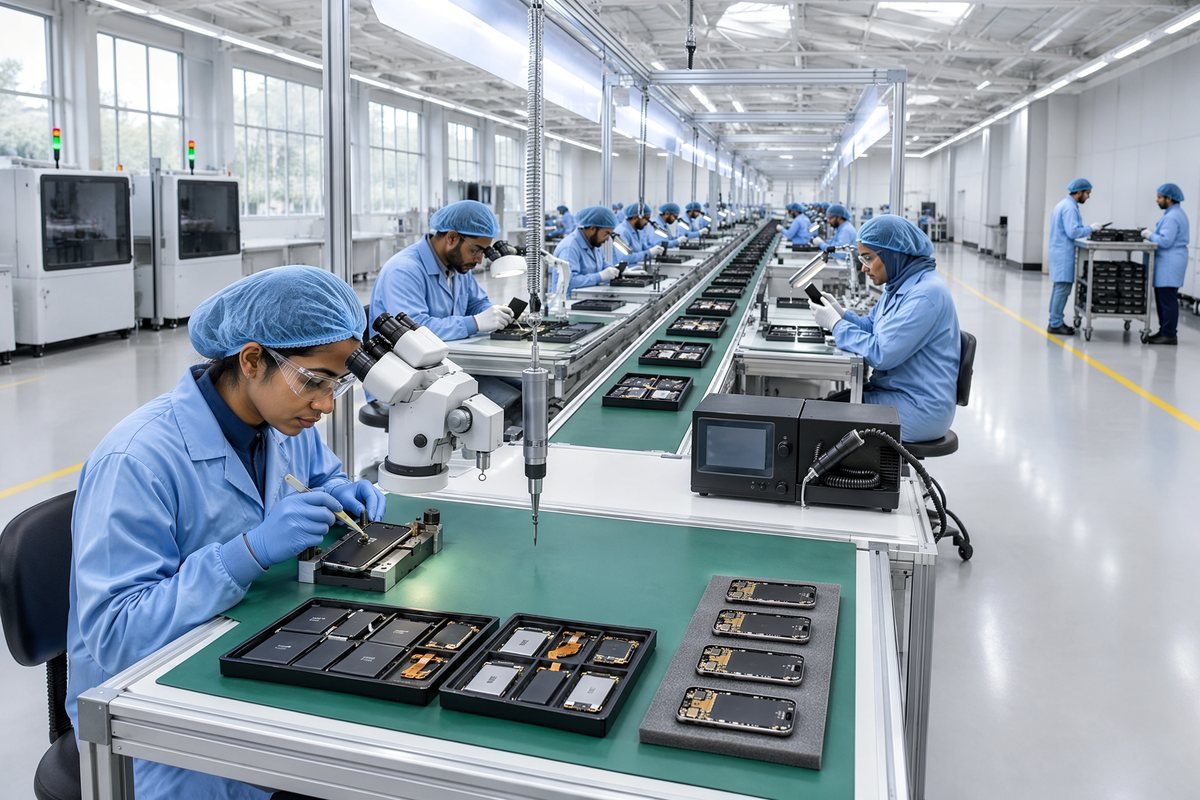
The Indian Express reported on 15 November 2026 that a NITI Aayog assessment, prepared with IIM Ahmedabad, examined 14 Production Linked Incentive schemes through March 2026. The schemes had achieved 76% of their investment target and 64% of their production target, but generated 8.49 lakh jobs against a target of 30.18 lakh, or approximately 28%. The evaluation also noted that only 58% of the schemes’ combined implementation period had elapsed. Its findings are therefore an assessment of progress, not final outcomes.
Concept: Production Linked Incentives and industrial policy
A PLI scheme offers eligible manufacturers incentives linked to specified production or sales performance, subject to scheme conditions. The objective is to encourage manufacturing investment, scale, competitiveness and domestic production capacity. However, manufacturing growth and employment growth are not identical. Capital-intensive factories can increase output through machinery and automation without creating jobs at the same rate. Employment may also emerge after investment and construction are completed. Evaluating industrial policy therefore requires separate measures of investment, production, exports, direct employment and longer-term domestic value addition.
Key facts for Prelims
- The assessment covered 14 PLI schemes.
- Investment target achievement was 76% through March 2026.
- Production target achievement was 64%.
- Employment reached 8.49 lakh against a planned 30.18 lakh jobs.
- The assessment found that only about 58% of the combined implementation period of the schemes had elapsed by March 2026. Employment achievement of 28% is therefore an interim measure, not the final outcome of all schemes.
Mains analysis and way forward
Mains analysis
- The divergence shows why industrial performance cannot be judged by investment announcements alone.
- Food products, large-scale electronics and pharmaceutical manufacturing were among the larger employment contributors.
- Automation, capital intensity and delayed commissioning can explain differences across sectors.
- The remaining implementation period means current shortfalls should be examined without prematurely declaring final failure.
Way forward
- Introduce sector-specific employment and domestic value-addition indicators alongside output targets.
- Adjust incentive design to reflect realistic gestation periods and industry conditions.
- Review whether demand-side support, supplier development and skill programmes can improve outcomes.
Connect the dots: Industrial policy under GS III connects with demographic dividend under GS I and inclusive growth and labour skills under GS III.
India and United States report progress on preferential market access in ongoing trade negotiations
In short: Ministers have reported progress on preferential market access, but the proposed India-US trade arrangement is not yet a concluded agreement.

Why in news
On 15 November 2026, Commerce and Industry Minister Piyush Goyal said India and the United States had agreed on preferential market access for Indian goods as part of discussions on a proposed trade arrangement. External Affairs Minister S. Jaishankar separately indicated that most trade-related issues had been addressed, although some remained. These statements indicate negotiating progress, not the implementation of a signed agreement. The development matters because the eventual terms could affect exporters, domestic producers, investment decisions and market competition in both countries.
Concept: Preferential market access and trade agreements
Preferential access means that goods from one trading partner receive more favourable treatment than otherwise applicable, often through lower customs duties or agreed market-entry conditions. In the multilateral trading system, the Most-Favoured-Nation principle generally requires equal trade treatment among WTO members, subject to permitted exceptions, including qualifying trade agreements. A negotiating announcement does not by itself change applicable tariff rates. Actual benefits depend on the final agreement, product coverage, rules of origin, implementation dates and compliance with other import requirements.
Key facts for Prelims
- Preferential market access can involve lower tariffs on selected goods.
- Rules of origin determine whether goods qualify for trade-agreement preferences.
- The Most-Favoured-Nation principle is a foundational WTO non-discrimination rule.
- Negotiating progress is different from a signed and implemented trade agreement.
Mains analysis and way forward
Mains analysis
- Improved access could make eligible Indian exports more competitive in the US market.
- Reciprocal concessions may create adjustment pressures for some domestic industries.
- Non-tariff barriers, standards and rules of origin can limit the usefulness of tariff reductions.
- The distribution of benefits depends on the final text rather than ministerial statements alone.
Way forward
- Publish clear product-wise commitments after negotiations are concluded.
- Assess effects on small exporters, employment and sensitive domestic sectors.
- Strengthen exporters’ capacity to meet quality standards and rules-of-origin requirements.
Connect the dots: Trade policy under GS III connects with India-US relations under GS II and employment and industrial competitiveness under GS III.
Sources: The Hindu, “India, U.S. agreed on preferential market access for Indian goods in America: Goyal”, 15 November 2026. The Indian Express, report on India-US trade negotiations, 15 November 2026.
India’s rice economy faces questions over exports, groundwater use and emissions
In short: A discussion of rice exports highlights the environmental costs that may remain invisible in conventional measures of agricultural trade.
Why in news
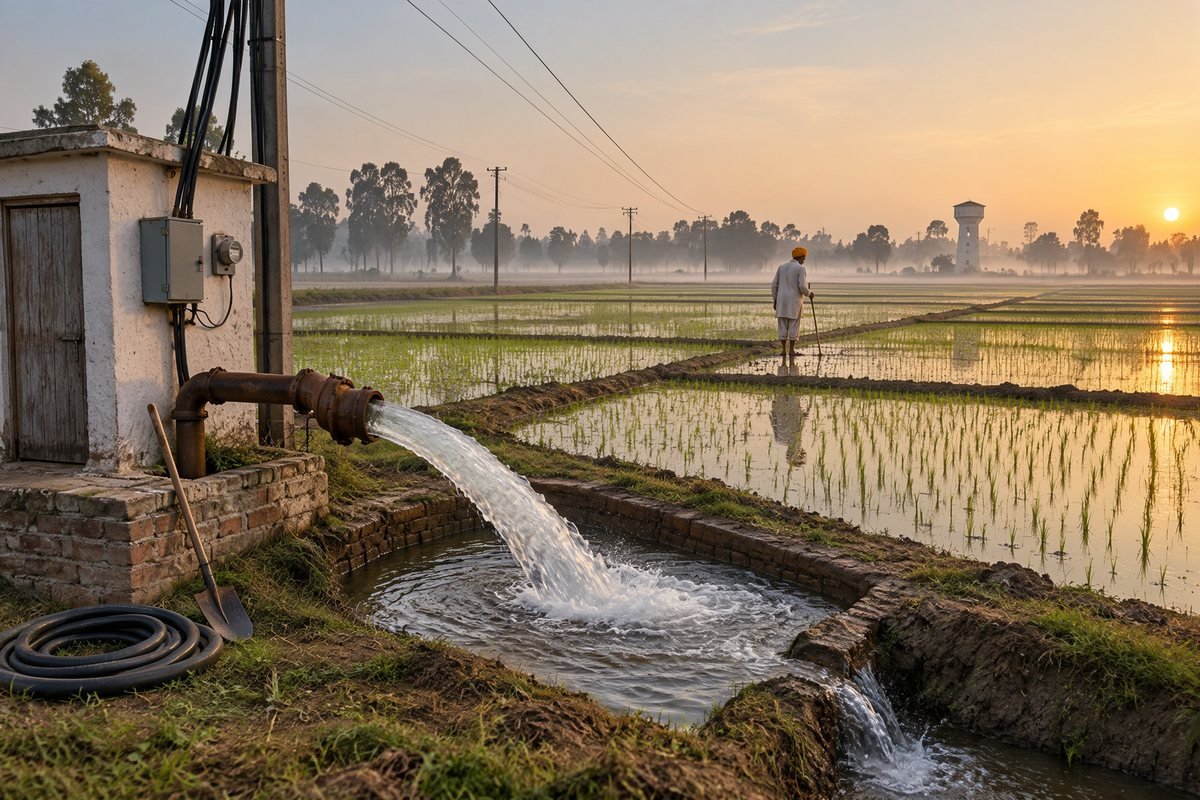
On 15 November 2026, The Hindu examined the relationship between India’s rice economy, exports, virtual water, greenhouse gas emissions and groundwater depletion. The discussion comes amid continuing efforts to manage domestic rice supplies. The report raises a broader policy question: should rice exports be evaluated only through production and export earnings, or also through the groundwater, energy and greenhouse gas emissions associated with cultivation? The discussion is an analysis of agricultural sustainability, not an announcement of a new rice export restriction.
Concept: Virtual water and agricultural sustainability
Virtual water is the water used in producing a commodity, including a crop that is subsequently traded. Exporting water-intensive agricultural products can therefore involve an indirect export of water resources. Rice cultivation often requires substantial irrigation, while flooded paddy fields can release methane under oxygen-poor soil conditions. The environmental impact varies by growing region, irrigation source, cultivation method and yield. Procurement policies and assured markets may influence farmers’ cropping choices. Sustainable policy must consider food security, farm incomes, groundwater conditions and the environmental costs of production together.
Key facts for Prelims
- Virtual water refers to water embedded in the production of goods and services.
- Methane can be produced in flooded paddy soils under anaerobic conditions.
- Groundwater depletion occurs when extraction exceeds sustainable replenishment over time.
- The Open Market Sale Scheme (Domestic) is used for releasing foodgrains from public stocks into the domestic market.
Mains analysis and way forward
Mains analysis
- Export earnings should be assessed alongside irrigation requirements and regional water scarcity.
- Price incentives and procurement arrangements can reinforce water-intensive cropping patterns.
- Food security concerns mean diversification cannot be pursued without considering farm livelihoods.
- Efficient irrigation and crop management can reduce environmental pressure, although benefits differ by location.
Way forward
- Encourage region-specific crop diversification with credible market support.
- Improve groundwater monitoring, irrigation efficiency and rice-growing practices.
- Evaluate agricultural trade using economic returns alongside water and emissions indicators.
Connect the dots: Agricultural marketing under GS III connects with groundwater conservation, climate change and sustainable development.
Sources: The Hindu, “Rebalancing India’s rice economy: exports, virtual water, emissions and the groundwater challenge”, 15 November 2026. Press Information Bureau, foodgrain stock and rice-sale measures, 6 November 2026.
SIP stoppage ratio rises to nearly 117% in October despite substantial continuing investments
In short: More SIP registrations ended than began in October 2026, but this does not mean investors withdrew all their mutual fund holdings.

Why in news
The Indian Express reported on 15 November 2026 that Association of Mutual Funds in India data showed 51 lakh new systematic investment plan registrations in October, against 59 lakh SIPs discontinued or completed. This produced a stoppage ratio of nearly 117%. Despite the elevated ratio, monthly SIP contributions remained substantial at ₹32,160 crore, only about 1% below September’s ₹32,490 crore. The report emphasised that the stoppage figure includes plans reaching their scheduled end, not merely investors abandoning mutual funds or redeeming existing units.
Concept: Systematic Investment Plans and financial-market indicators
A SIP is a method of investing a fixed amount at regular intervals into a mutual fund. It is not a separate investment product. SIP contributions purchase mutual fund units according to the prevailing net asset value. A stoppage ratio compares the number of discontinued or completed SIP registrations with newly registered plans during a period. It does not directly measure total redemptions, accumulated savings or investment returns. Financial data must be interpreted through their definitions: a transaction count, a cash flow and an asset value describe different things.
Key facts for Prelims
- SIP stoppage ratios count discontinued and completed SIP registrations, not necessarily redemption of accumulated mutual fund investments.
- October’s nearly 117% stoppage ratio was the highest since April 2025, when a one-time clean-up of dormant accounts had pushed the ratio to 353%.
- The October 2026 stoppage ratio was approximately 117%.
- SIP investments during October totalled ₹32,160 crore.
Mains analysis and way forward
Mains analysis
- Market uncertainty may make households cautious about starting or continuing investments.
- A high stoppage ratio does not establish that an equivalent amount of money has left mutual funds.
- The continuing contribution amount indicates why cash-flow data should accompany account-count data.
- Investor protection requires transparent reporting of risk, costs, performance and financial-product terminology.
Way forward
- Report completed-tenure SIPs separately from premature discontinuations wherever possible.
- Improve retail financial literacy on market risk and long-term planning.
- Assess investment behaviour using multiple months of data rather than one isolated indicator.
Connect the dots: Household savings and capital markets under GS III connect with financial inclusion and consumer protection.
Environment and infrastructure
Delhi pollution analysis shows changing contributions from dust, waste burning and seasonal sources
In short: Source-apportionment estimates show that Delhi’s dominant PM2.5 contributors changed between late October and early November.
Why in news
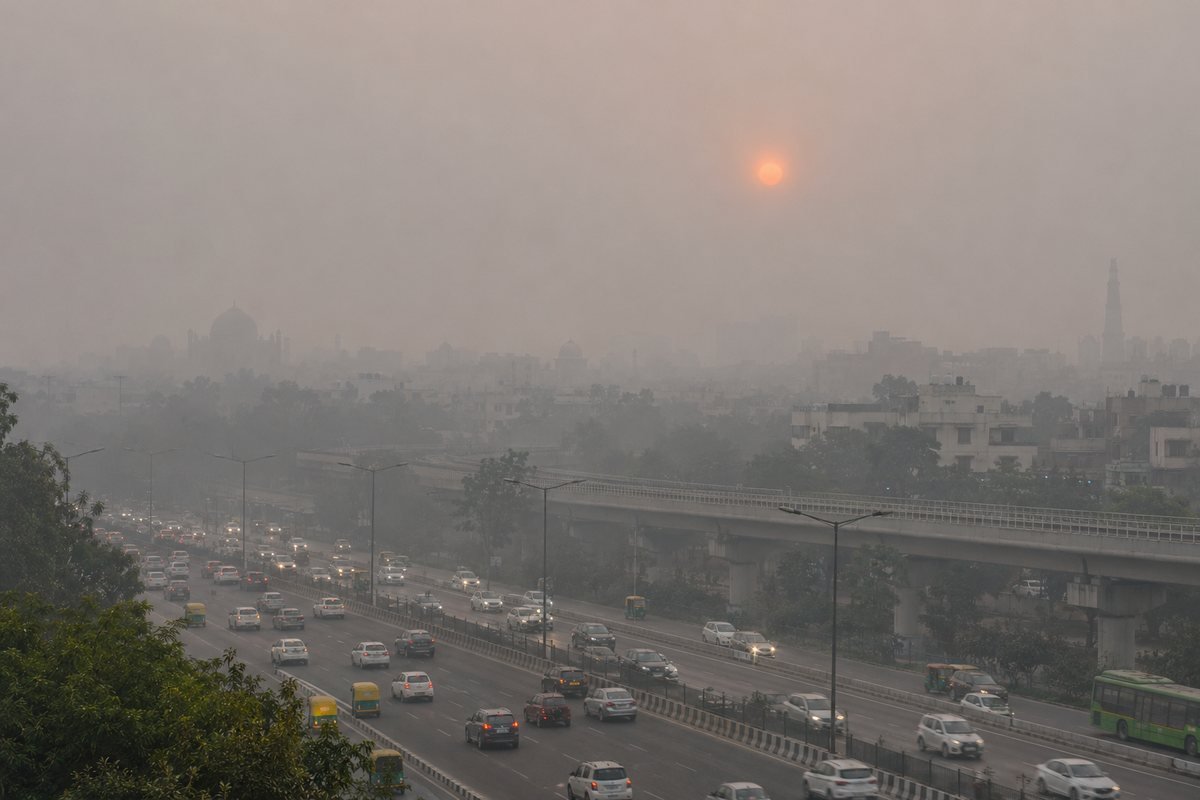
On 15 November 2026, The Indian Express analysed Indian Institute of Tropical Meteorology data on Delhi’s PM2.5 pollution. Open waste burning contributed as much as 15% of the daily load between 26 and 29 October, while road dust accounted for roughly 18% during that period. Crop-residue burning’s estimated share reached 30% on 4 November, and firecrackers accounted for an estimated 71% on 9 November. Delhi’s AQI on 14 November was 367, in the ‘Very Poor’ category. These are source estimates, not direct measurements of each activity’s absolute emissions.
Concept: Source apportionment and air quality management
PM2.5 refers to airborne particles with an aerodynamic diameter of 2.5 micrometres or less. Their small size allows them to penetrate deeply into the respiratory system. Source apportionment estimates how different activities contribute to measured or modelled particulate pollution. A source’s percentage share can fall even if its absolute emissions remain unchanged, when another source increases sharply. The Air Quality Index translates concentrations of monitored pollutants into a public communication scale. Effective pollution control requires both continuous action against local emissions and seasonal measures for regional or episodic sources.
Key facts for Prelims
- PM2.5 denotes fine particulate matter with an aerodynamic diameter of 2.5 micrometres or less.
- IITM stands for Indian Institute of Tropical Meteorology.
- CAQM is the Commission for Air Quality Management in the National Capital Region and Adjoining Areas.
- GRAP stands for Graded Response Action Plan.
Mains analysis and way forward
Mains analysis
- Delhi’s pollution problem has multiple local, regional and seasonal contributors.
- An increase in a source’s percentage contribution does not necessarily establish a corresponding rise in its absolute emissions.
- Episodic pollution from firecrackers or crop burning can temporarily dominate the source profile.
- Road dust, construction emissions and waste burning still require year-round enforcement.
Way forward
- Strengthen year-round controls on road dust, waste burning and construction activity.
- Improve regional coordination on seasonal biomass and crop-residue burning.
- Communicate air-quality forecasts alongside source estimates and their uncertainties.
Connect the dots: Air pollution under GS III connects with public health under GS II, urban governance and intergovernmental coordination.
Proposed Siang hydropower project raises concerns over displacement, ecology and local consent
In short: A proposed 11,200-MW project in Arunachal Pradesh has created disagreement over energy needs, community rights and river ecology.

Why in news
On 15 November 2026, The Indian Express reported opposition among sections of the Adi community to the proposed 11,200-MW Siang Upper Multipurpose Project in Arunachal Pradesh. NHPC has been conducting preliminary assessments, with three possible locations identified: Parong, Dite Dime and Ugeng/Komkar. The government says the surveys do not constitute project approval. Community representatives fear displacement, loss of ancestral land and damage to cultural heritage. One community leader claimed that at least 27 villages could be submerged. That is a stated concern, not a verified final displacement estimate.
Concept: River-basin planning and environmental impact assessment
Large hydropower projects may provide electricity, water management and strategic infrastructure benefits. They may also alter river flows, sediment movement, ecosystems and settlements. Assessing an individual dam in isolation can overlook cumulative effects when several projects are planned on the same river system. Environmental assessment must examine feasible alternatives, seismic and geological conditions, ecological impacts and rehabilitation needs. Public consultation helps identify costs that technical studies may miss, including customary land use and cultural attachment. A preliminary feasibility study is not the same as statutory approval or permission to begin construction.
Key facts for Prelims
- The proposed Siang Upper Multipurpose Project has a stated capacity of 11,200 MW.
- The Siang River flows through Arunachal Pradesh and forms part of the Brahmaputra river system.
- NHPC is associated with the project’s preliminary assessment.
- The three identified possible sites are Parong and Dite Dime in Siang district, and Ugeng/Komkar in Upper Siang district, Arunachal Pradesh.
Mains analysis and way forward
Mains analysis
- Hydropower can support electricity supply, but economic benefits must be weighed against ecological and social costs.
- Communities may value ancestral land and cultural landscapes beyond monetary compensation.
- Upstream developments and strategic concerns add complexity to transboundary river planning.
- Consultation is most meaningful when alternatives remain genuinely open for consideration.
Way forward
- Conduct transparent environmental, seismic and cumulative river-basin assessments before decisions on approval.
- Engage affected communities and disclose likely land and livelihood impacts.
- Examine alternative designs, environmental safeguards and credible rehabilitation options.
Connect the dots: Hydropower under GS III connects with tribal rights under GS II, physical geography under GS I and India-China water security.
International relations and security
Expert proposes temporary renewal as India-Bangladesh Ganga Water Treaty nears expiry
In short: With the 1996 Ganga Water Treaty approaching its expiry, a Bangladeshi expert has suggested an interim extension.
Why in news
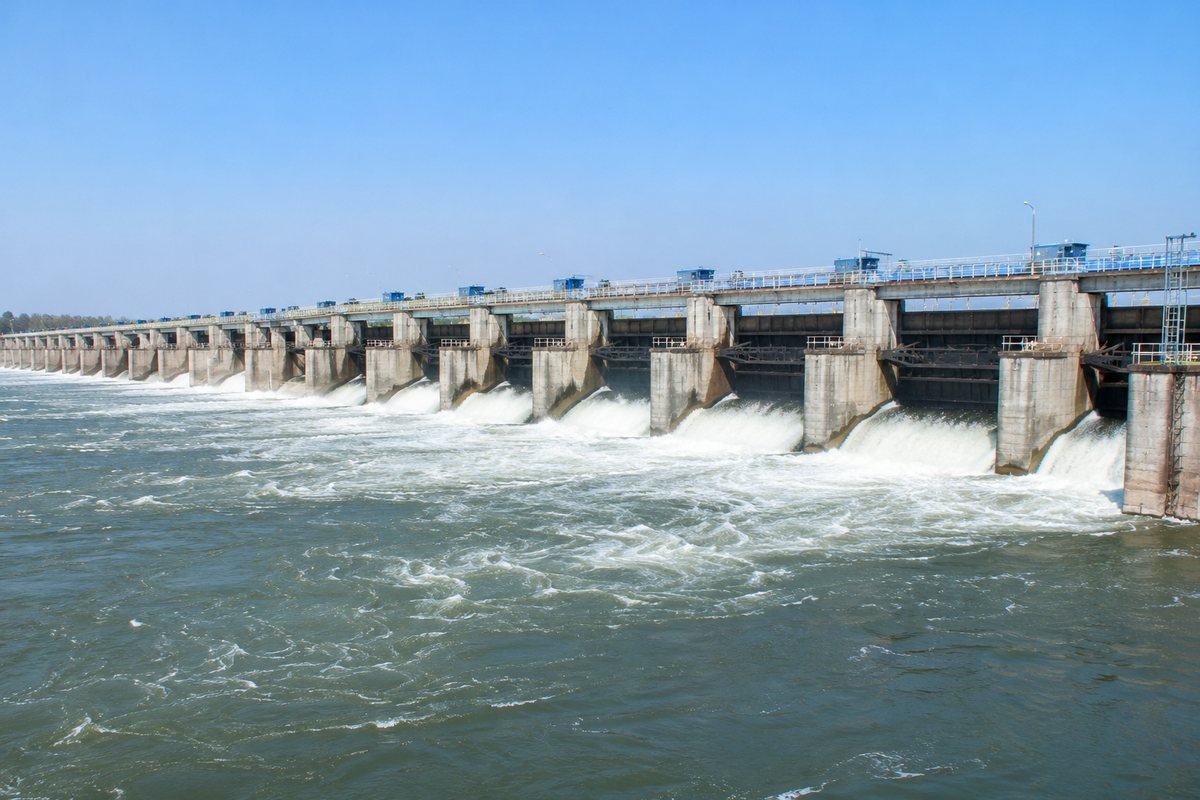
On 15 November 2026, The Hindu reported that Manjur Ahmed Chowdhury, former Chairman of Bangladesh’s National River Conservation Commission, had urged the leaderships of India and Bangladesh to consider temporarily renewing the Ganga Water Treaty. Signed on 12 December 1996, the treaty has a 30-year term ending in December 2026. The expert argued that approximately four weeks were insufficient for a comprehensive revision. His proposal is not an agreed decision by the two governments. The approaching deadline has renewed attention to dry-season flows, river management and bilateral cooperation.
Concept: Transboundary water sharing and the Farakka agreement
A transboundary river crosses or connects national territories, creating shared interests in water availability, ecosystem health and navigation. The 1996 India-Bangladesh treaty governs sharing of Ganga waters at Farakka during the lean season, from 1 January to 31 May, using ten-day periods. Its allocation formula operates within a framework of bilateral monitoring and cooperation. Article XII provides for a 30-year term and renewal by mutual consent. Such arrangements need reliable hydrological information, agreed monitoring and ways to respond to changing rainfall, demand and climate conditions.
Key facts for Prelims
- The treaty was signed on 12 December 1996.
- It concerns Ganga water sharing at Farakka in West Bengal.
- The sharing arrangement applies during the lean season from 1 January to 31 May.
- Water-sharing calculations are organised in ten-day periods.
- Under Article II of the 1996 treaty, if flows at Farakka fall below 50,000 cusecs during a ten-day period, both governments must enter into immediate consultations for emergency adjustments.
Mains analysis and way forward
Mains analysis
- Predictable sharing arrangements support agriculture, livelihoods and bilateral trust.
- Changing water demand and climate variability can complicate older allocation formulas.
- The interests of upstream and downstream users must both be considered.
- Temporary renewal may prevent a governance gap, but it cannot substitute for addressing longer-term concerns.
Way forward
- Maintain technical engagement and regular exchange of river-flow information.
- Consider an interim arrangement only through explicit bilateral agreement.
- Develop a long-term framework responsive to hydrological changes and the needs of both countries.
Connect the dots: India-Bangladesh relations under GS II connect with Indian river systems under GS I and climate adaptation under GS III.
Sources: The Hindu, “India, Bangladesh leaderships should support temporary renewal of Ganga Water Treaty, says expert”, 15 November 2026. Treaty between India and Bangladesh on Sharing of the Ganga/Ganges Waters at Farakka, 12 December 1996.
CRPF battalion moved from Chhattisgarh to Manipur as security priorities shift
In short: Redeployment of CRPF personnel illustrates how central forces are allocated among different internal security challenges.
Why in news
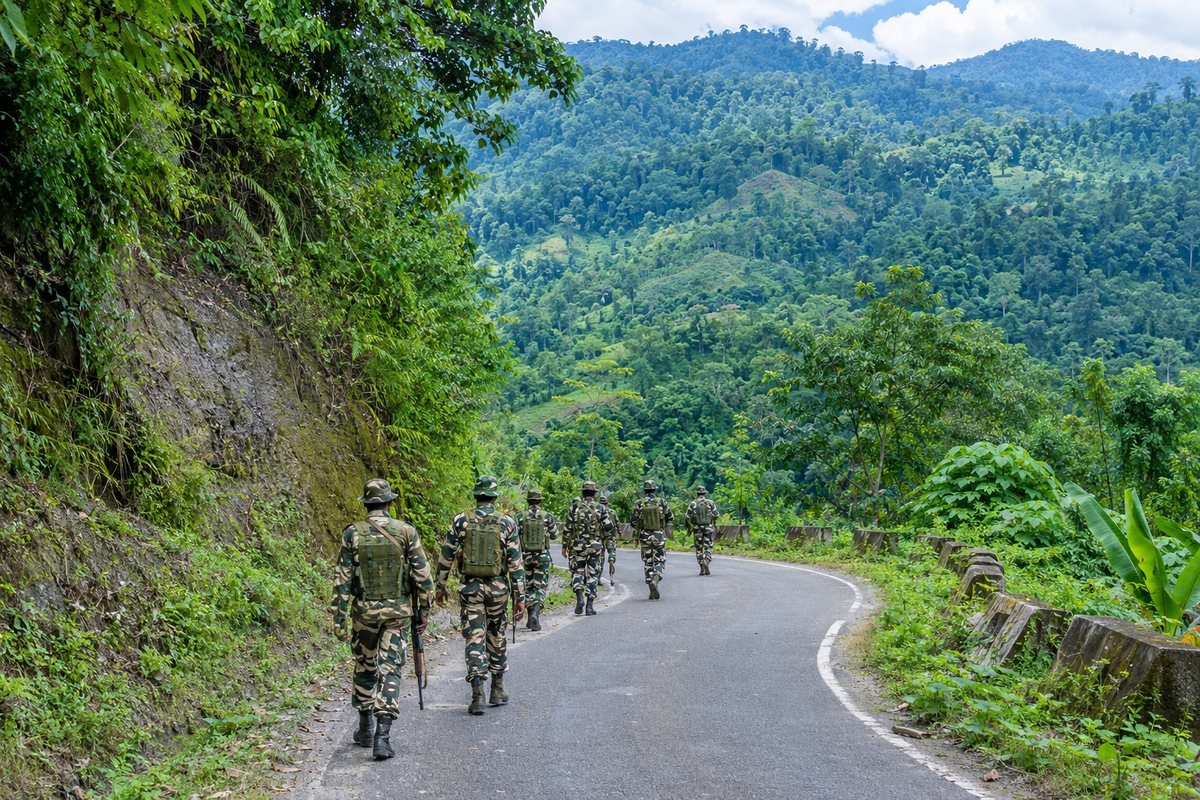
The Hindu reported on 15 November 2026 that a CRPF battalion comprising more than 1,000 personnel had been moved from Sukma district in Chhattisgarh to Manipur. The battalion had been engaged in anti-Naxal duties. Officials also indicated that withdrawing at least three additional battalions from Chhattisgarh and Odisha was under consideration. Those additional movements were proposals, not confirmed deployments. The decision highlights the challenge of meeting security requirements in Manipur while sustaining operations in areas affected by left-wing extremism.
Concept: Central Armed Police Forces and internal security
The Central Reserve Police Force operates under the Union Ministry of Home Affairs and performs a range of internal security duties. These include supporting States in maintaining public order and responding to insurgency and left-wing extremism. CRPF is a Central Armed Police Force, not part of the Indian Army. Deployments depend on threat assessments, local requirements, available personnel and coordination with State authorities. Moving a battalion can improve capacity in one region while requiring adjustments elsewhere. Effective security management therefore involves intelligence, logistics, local policing and longer-term measures to address underlying conflicts.
Key facts for Prelims
- CRPF stands for Central Reserve Police Force.
- It functions under the Ministry of Home Affairs.
- Sukma is a district in Chhattisgarh.
- Left-wing extremism and ethnic conflict in Manipur are distinct internal security challenges.
Mains analysis and way forward
Mains analysis
- Central forces provide flexibility in responding to changing security demands.
- Redeployment decisions must account for the risk of weakening existing operations.
- Military-style security measures alone cannot resolve deeply rooted social and political conflicts.
- Intelligence-sharing, police capacity and civilian trust remain essential for lasting stability.
Way forward
- Base force allocation on regularly updated threat assessments.
- Strengthen State police capacity and coordination with central forces.
- Combine security operations with dialogue, development and community confidence-building.
Connect the dots: Internal security under GS III connects with Centre-State coordination under GS II and conflict-sensitive administration under GS IV.
Science and technology
AIIMS New Delhi reports India’s first open foetal surgery to repair spinal defect
In short: A complex operation at AIIMS New Delhi demonstrates the potential and limitations of repairing certain birth defects before delivery.
Why in news
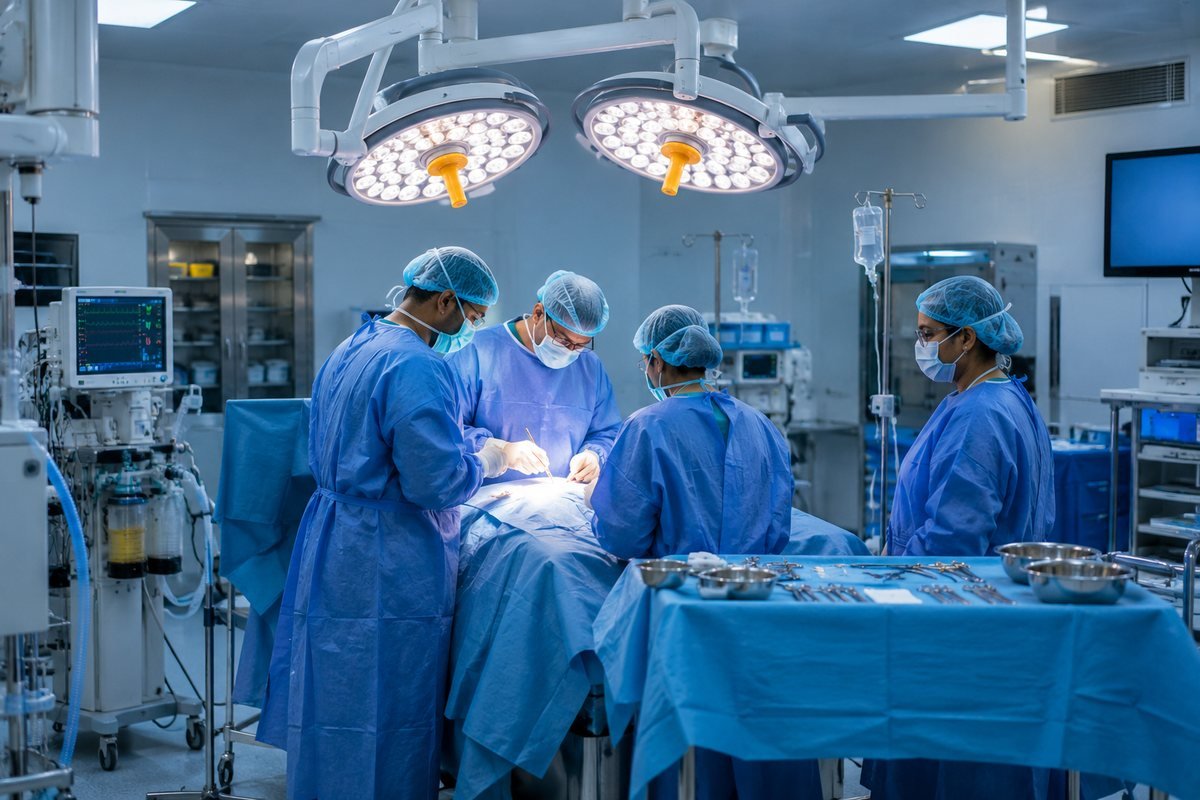
On 15 November 2026, The Indian Express reported that AIIMS New Delhi had performed India’s first open foetal surgery to repair myelomeningocele, a serious spinal defect. The operation took approximately six hours and was carried out at around 25 weeks of pregnancy by a team of more than 30 healthcare professionals. The mother and foetus were being monitored after the procedure. The report said the operation was provided free under the Janani Shishu Suraksha Karyakram. Doctors cautioned that prenatal repair can reduce further damage but does not guarantee a cure.
Concept: Neural tube defects and prenatal surgery
The neural tube forms early in pregnancy and develops into the brain and spinal cord. In myelomeningocele, a severe form of spina bifida, the spinal cord and its protective membranes protrude through an opening in the backbone. Exposed neural tissue may experience additional damage during pregnancy. Open foetal surgery allows specialists to repair the defect while the foetus remains in the uterus and connected to the placenta. The procedure is technically demanding and carries risks for both mother and baby. It cannot reverse neurological damage that has already occurred.
Key facts for Prelims
- Myelomeningocele is a severe form of spina bifida.
- Spina bifida is associated with incomplete closure of the neural tube.
- The reported operation took place at AIIMS New Delhi.
- Folic acid before conception and during early pregnancy helps reduce the risk of neural tube defects.
Mains analysis and way forward
Mains analysis
- The procedure demonstrates the growing capacity of India’s specialised public medical institutions.
- Advanced interventions require coordinated expertise across surgery, obstetrics, anaesthesia and neonatal care.
- Maternal risks, uncertain outcomes and informed consent are central ethical considerations.
- High-cost specialised treatments should complement, not replace, prevention and basic maternal healthcare.
Way forward
- Strengthen early antenatal screening, counselling and appropriate referral pathways.
- Develop clear clinical selection criteria, safety protocols and long-term outcome monitoring.
- Improve access to preventive maternal nutrition and essential healthcare alongside advanced treatment.
Connect the dots: Medical technology under GS III connects with maternal and child health under GS II and informed consent and medical ethics under GS IV.
In brief
- Citizenship by descent: a passport after 26 years: The Indian Express reported on 16 November that Dolly Vadalia, born in Mozambique to Indian parents, received an Indian passport on 11 November after a prolonged citizenship dispute. The Ministry of Home Affairs authorised registration of her birth under Section 4(2) of the Citizenship Act, 1955, read with Rule 11 of the Citizens (Registration at Indian Consulates) Rules, 1956. The Indian High Commission in Maputo issued the birth-registration certificate on 21 October 2026, and she received her Indian passport on 11 November. Source
- India at the ASEAN and East Asia summits in Manila: As reported on 12 November, Prime Minister Narendra Modi is scheduled to visit Manila on 16-17 November for the 23rd ASEAN-India Summit and 21st East Asia Summit. Maritime security and economic cooperation are important themes. A possible Quad leaders’ meeting was also under discussion, not confirmed as completed. Source
- Pakistan to attend the SCO dialogue forum in Delhi: Pakistan has nominated Climate Change Minister Musadik Masood Malik to attend the Shanghai Cooperation Organisation Civilisational Dialogue Forum in New Delhi from 20 to 22 November. Participation in a multilateral forum should not be mistaken for a wider bilateral diplomatic breakthrough. Source
- Rail freight rises as punctuality slips: Indian Railways carried 145.07 million tonnes of freight in October 2026, an 8.31% increase over October 2025. Passenger journeys also increased, but overall train punctuality fell from 77.41% to 75.07%. Source
- Cyber fraud losses at Delhi-NCR NBFCs: According to an Indian Express investigation published on 16 November, 12 NBFCs in Delhi-NCR reported losses exceeding Rs 65 crore over three months in suspected cyber fraud involving compromised systems. The case underlines the importance of cybersecurity controls, secure loan disbursement and financial-sector supervision. Source
Prelims practice: 5 questions
Choose an option to see the answer and explanation. Your score appears when all five are answered.
Mains practice
GS III | Industrial policy and employment The Production Linked Incentive schemes have made greater progress towards their investment and production targets than their employment targets. Examine the reasons for this divergence and suggest measures to improve employment outcomes in India’s manufacturing sector.
Show the answer outline
INTRODUCTION
Production Linked Incentive schemes aim to strengthen domestic manufacturing by encouraging eligible firms to expand production and investment. A NITI Aayog assessment through March 2026 found achievement of 76% of the investment target and 64% of the production target, compared with 28% of the employment target. This divergence calls for a differentiated assessment of industrial performance.
REASONS FOR DIVERGENCE
- Manufacturing investment often precedes production, while employment may increase only after facilities become fully operational.
- Capital-intensive industries can expand output through machinery and automation without proportionate hiring.
- Stringent eligibility thresholds and uncertain demand can discourage participation.
- Employment requirements differ substantially across sectors and stages of industrial development.
WHY THE FINDINGS REQUIRE CAUTION
- Only 58% of the schemes’ combined implementation period had elapsed.
- Investment, production and employment do not necessarily grow at the same pace.
- Sector-wise outcomes are more informative than aggregate percentages alone.
- Direct employment figures may not capture all effects on suppliers and related services.
MEASURES TO IMPROVE EMPLOYMENT OUTCOMES
- Use realistic, sector-specific employment indicators alongside production and investment targets.
- Align industrial incentives with apprenticeships, skill development and workforce training.
- Strengthen domestic supplier networks, particularly small and medium enterprises.
- Consider demand-side support where uncertain markets constrain manufacturing expansion.
MONITORING AND ACCOUNTABILITY
- Publish consistent data on direct employment, domestic value addition and incentive disbursement.
- Evaluate schemes at comparable stages of maturity.
- Revise conditions when evidence shows that targets are unrealistic or poorly aligned with sector characteristics.
CONCLUSION
Industrial policy must create competitive manufacturing capacity while supporting productive employment. Its success should be judged through a balanced assessment of output, investment, jobs and domestic value addition, rather than any single indicator.
TIP
Structure the answer around a central distinction: greater manufacturing output does not automatically produce proportionate employment growth. Use the 76%, 64% and 28% figures to establish the issue, then explain the mechanisms behind the difference before proposing reforms.
Your next step, whichever stage you are at.
Open Library · All programmes · WhatsApp +91 81220 02172
Current Canvas is prepared by the UPSC Gurus editorial desk. Every fact is checked against official releases and reliable reporting, with sources listed under each story. Editions are compiled each month into Current Canvas Monthly, a free magazine.
About images: photographs and illustrations in Current Canvas are AI-generated for illustration only. They are not news photographs of the events described.
Your first Mentor’s Desk call is free
One free conversation per aspirant about where you are in your preparation, with an honest suggestion of the right next step.
Know more and bookHave a question? Get in touch
For questions about a programme, its fees, batch dates, payment or access. Message us on WhatsApp and our team will reply. Asking a question is not a booking, and you can ask as often as you need.
Get in touch on WhatsApp