 New this week · Free UG Handout 02UPSC Mains Directive Words: 60 Meanings, Trends and PYQsTwo free PDFs: The Guide and the With PYQs edition.Read and download
Today’s Canvas
- Talk of a special session of Parliament: how Article 85 worksGS II
- Supreme Court: a foreign divorce decree does not always end an Indian marriageGS II
- Centre extends the UAPA ban on the Islamic Research Foundation by five yearsGS III
- October exports rise 29.9%; goods trade deficit widens month-on-month to $39.88 billionGS III
- U.S. reportedly assures India a comparative tariff advantage in trade talksGS II
- RBI gives Paytm conditional in-principle approval to restart its wallet businessGS III
- India prohibits exports of lithium-ion battery black mass to keep critical minerals at homeGS III
- Global Carbon Budget: world fossil CO2 to fall in 2026 while India’s risesGS III
- COP31 pushes a global electrification goal as climate finance worries persistGS III
- NOAA forecasts a strong El Nino into early 2027, with a chance of record intensityGS I
- Delhi’s air turns severe again as GRAP Stage III curbs stay in forceGS III
- Matsya-6000 to attempt a 500-metre trial dive in the Bay of Bengal in early 2027GS III
- NPPA orders strict compliance with revised prices of 137 anti-cancer drugsGS II
- India-Bangladesh consular dialogue postponed amid strained tiesGS II
Polity, law and security
Talk of a special session of Parliament: how Article 85 works
In short: Reports of a possible special parliamentary sitting have brought attention to the constitutional rules governing the summoning and conduct of Parliament.
Why in news
On 13 November 2026, The Indian Express reported that the Union government was considering a special parliamentary session before the regular Winter Session. The reported legislative agenda concerned delimitation of constituencies and implementation of women’s reservation. The report did not establish that a session had formally been summoned. It also noted that Parliament’s Monsoon Session, adjourned sine die on 13 August, had not been prorogued as of 12 November. This distinction matters because a House may be reconvened during an existing session without beginning a new one.
Concept: Article 85, Summoning and Prorogation
Article 85 of the Constitution empowers the President to summon each House of Parliament. It requires that no more than six months intervene between the last sitting of one session and the first sitting of the next. Summoning formally calls Parliament to meet. Prorogation formally ends a session, while adjournment suspends a sitting without ending the session. Adjournment sine die means suspending proceedings without specifying a future sitting date. The expression “special session” has no separate definition under Article 85. Such sittings generally follow existing constitutional and procedural rules.
Key facts for Prelims
- Article 85: Summoning, prorogation and dissolution of Parliament.
- Constitutional six-month rule: Calculated between the last sitting of one session and first sitting of the next.
- Cabinet Committee on Parliamentary Affairs: Ordinarily decides the government’s proposed parliamentary session schedule.
- Article 352: Separately provides for a special sitting of the Lok Sabha in specified circumstances concerning a National Emergency.
Mains analysis and way forward
Mains analysis
- Executive-legislative balance: The government has substantial influence over the parliamentary calendar, raising questions about legislative autonomy.
- Deliberative quality: Major constitutional or electoral reforms require sufficient time for debate and examination.
- Representative fairness: Delimitation involves the distribution of political representation and must balance democratic equality with federal concerns.
- Procedural distinction: An adjourned but unprorogued session can be resumed, whereas a fresh session requires formal summoning.
Way forward
- Encourage a transparent and predictable parliamentary calendar.
- Provide sufficient legislative scrutiny for major constitutional and electoral proposals.
- Strengthen consultation with states and parliamentary committees where institutional interests are affected.
Connect the dots: GS II Article 85 + parliamentary procedure + delimitation + women’s political representation + federalism.
Sources: The Indian Express, “How does Parliament convene special sessions, and what sets them apart?”, 13 November 2026. Constitution of India, Article 85 (official text, Ministry of Law and Justice).
Supreme Court: a foreign divorce decree does not always end an Indian marriage
In short: The Supreme Court held that an unrecognised foreign divorce cannot automatically terminate an Indian marriage or prevent bigamy proceedings.

Why in news
In its judgment dated 3 November 2026, reported on 13 November, the Supreme Court examined a marriage solemnised under Hindu law in 2003. After unsuccessful Indian divorce proceedings, the husband obtained a UK divorce in January 2014 on the ground of irretrievable breakdown of marriage and subsequently remarried. The Court held that the foreign decree did not satisfy Indian recognition requirements. It rejected the argument that British citizenship or remarriage abroad automatically removed the relevant legal consequences of the subsisting Indian marriage. The Court allowed the bigamy prosecution against the husband to continue but quashed the proceedings against his parents and his second wife.
Concept: Recognition of Foreign Judgments Under Section 13 CPC
Section 13 of the Code of Civil Procedure, 1908 generally treats foreign judgments as conclusive, subject to six exceptions. These include lack of jurisdiction, absence of a decision on merits, fraud, violation of natural justice, refusal to apply applicable Indian law, and a judgment sustaining a claim contrary to Indian law. Section 14 provides a rebuttable presumption concerning foreign-court jurisdiction. In Y. Narasimha Rao v. Y. Venkata Lakshmi (1991), the Supreme Court established important principles governing recognition of foreign matrimonial decrees. A foreign divorce must satisfy the relevant Indian legal requirements.
Key facts for Prelims
- Relevant judgment: N. Sridhar Reddy v. State of Andhra Pradesh, 3 November 2026.
- CPC Section 13: Conditions and exceptions governing conclusiveness of foreign judgments.
- Hindu Marriage Act, 1955, Section 13: Statutory grounds for divorce; irretrievable breakdown is not an ordinary statutory ground.
- Bigamy: Section 82 of the Bharatiya Nyaya Sanhita, 2023; the present case concerned alleged acts charged under the earlier IPC Section 494.
Mains analysis and way forward
Mains analysis
- Personal-law continuity: Marriage solemnised under Indian personal law cannot automatically be dissolved in India through an incompatible foreign decree.
- Jurisdictional safeguards: Recognition rules prevent forum shopping that undermines matrimonial protections.
- Cross-border families: International migration and changes in citizenship create complex questions involving personal law and private international law.
- Individual accountability: Courts must distinguish the alleged actions of a spouse from those of relatives or other individuals whose criminal involvement is not established.
Way forward
- Improve public awareness of recognition requirements for foreign divorces.
- Encourage legal coordination and clearer procedural guidance for cross-border matrimonial disputes.
- Protect due process and individual rights while ensuring that valid marital obligations remain enforceable.
Connect the dots: GS II judicial interpretation + private international law + GS I changing family relationships + legal protection of spouses.
Sources: The Indian Express, “Can divorce abroad end an Indian marriage? What SC said in bigamy case”, 13 November 2026. Supreme Court of India, N. Sridhar Reddy v. State of Andhra Pradesh, 2026 INSC 1191, 3 November 2026.
Centre extends the UAPA ban on the Islamic Research Foundation by five years
In short: The Union government has renewed the Islamic Research Foundation’s unlawful association ban under the UAPA, citing security-related allegations.

Why in news
On 13 November 2026, the Ministry of Home Affairs extended the declaration of the Islamic Research Foundation (IRF) as an unlawful association for another five years under the Unlawful Activities (Prevention) Act, 1967. The organisation was first declared unlawful on 17 November 2016, with the prohibition extended in November 2021. The government cited allegations concerning communal disharmony, extremist messaging and activities prejudicial to national security. These are the government’s stated grounds for its notification and should not be treated as independent judicial findings against every associated individual.
Concept: Unlawful Associations and the UAPA Tribunal
Section 3 of the UAPA empowers the Central Government to declare an association unlawful through a notification containing the grounds for its decision. Under Section 4, the government ordinarily refers the notification to a UAPA Tribunal within 30 days. The Tribunal, constituted under Section 5, examines whether sufficient cause exists for the declaration and generally must decide within six months of the notification. Section 6 governs the duration and cancellation of the notification. A declaration remains subject to statutory procedures and constitutional judicial review.
Key facts for Prelims
- Legislation: Unlawful Activities (Prevention) Act, 1967.
- Section 3: Declaration of an association as unlawful.
- Section 4: Reference to the UAPA Tribunal.
- Section 5: Constitution of the Tribunal, consisting of a High Court judge appointed through the prescribed statutory process.
Mains analysis and way forward
Mains analysis
- Security concerns: The law provides preventive powers intended to address activities considered threatening to sovereignty, security and public order.
- Civil liberties: Restrictions on associations must be balanced against constitutional freedoms and due process.
- Evidence and accountability: Government allegations require independent scrutiny through available legal mechanisms.
- Proportionality: Broad security powers create a need for transparency, reasoned decisions and meaningful judicial oversight.
Way forward
- Ensure strict adherence to statutory notification and Tribunal procedures.
- Maintain independent judicial scrutiny and transparent, evidence-based decision-making.
- Combine lawful security enforcement with community engagement and measures addressing violent radicalisation.
Connect the dots: GS III internal security + GS II Article 19 freedoms + rule of law + judicial review.
Sources: The Indian Express, “Centre bans Zakir Naik’s Islamic Research Foundation for 5 more years”, 14 November 2026. PIB, Ministry of Home Affairs, “MHA extends ban on Islamic Research Foundation as an unlawful association under the UAPA”, 13 November 2026. India Code, Unlawful Activities (Prevention) Act, 1967.
Economy
October exports rise 29.9%; goods trade deficit widens month-on-month to $39.88 billion
In short: India’s combined merchandise and services exports grew 29.9% in October 2026, while its merchandise trade deficit widened from September despite record goods exports, though it narrowed from $42.58 billion a year earlier.
Why in news
On 13 November 2026, the Ministry of Commerce and Industry reported that India’s combined merchandise and services exports rose 29.9% year-on-year to $89.99 billion in October. Merchandise exports increased by approximately 45% to $49.47 billion. However, merchandise imports reached $89.35 billion, resulting in a goods trade deficit of $39.88 billion. The combined goods and services deficit narrowed to approximately $20.09 billion. Petroleum products, electronic goods, engineering goods, chemicals, and gems and jewellery drove export growth. October services figures remain estimates.
Concept: Merchandise Trade, Services Trade and Current Account
Merchandise trade covers physical goods, including petroleum products, machinery and agricultural commodities. Services trade covers activities such as software, tourism, consulting and transportation. A merchandise trade deficit occurs when goods imports exceed goods exports. A services surplus can partly offset this deficit. The current account of the Balance of Payments includes trade in goods and services, primary income such as interest and dividends, and secondary income such as remittances. Therefore, a merchandise trade deficit is not the same as a current account deficit.
Key facts for Prelims
- Merchandise exports, October 2026: $49.47 billion.
- Merchandise imports, October 2026: $89.35 billion.
- Estimated services exports: $40.51 billion; services imports: $20.72 billion.
- Overall trade deficit: approximately $20.09 billion, compared with $25.15 billion in October 2025.
Mains analysis and way forward
Mains analysis
- Export diversification: Growth in electronics and engineering goods reflects opportunities to expand India’s manufacturing presence in international markets.
- External vulnerability: Higher petroleum imports and global energy-price volatility can increase the import bill despite stronger exports.
- Services cushion: India’s services surplus helps reduce the overall trade deficit but does not eliminate exposure to commodity prices and external demand shocks.
- Quality of growth: Higher export values do not automatically indicate equivalent growth in export volumes because prices and exchange rates also matter.
Way forward
- Improve manufacturing competitiveness through infrastructure, logistics efficiency and technology adoption.
- Expand export markets and strengthen participation in global value chains.
- Reduce import vulnerabilities through energy diversification and greater domestic value addition.
Connect the dots: GS III external sector + industrial policy + energy security + Balance of Payments.
Sources: Ministry of Commerce and Industry, “India’s Foreign Trade: October 2026”, PIB, 13 November 2026. The Hindu, “India exports October 26: Trade deficit numbers”, 13 November 2026.
U.S. reportedly assures India a comparative tariff advantage in trade talks
In short: An Indian government official says U.S. negotiators have assured India of relatively favourable tariff treatment, although the trade agreement remains unfinished.

Why in news
On 13 November 2026, a senior Indian government official stated that U.S. negotiators had assured India of a comparative tariff advantage over competing exporting countries. American officials visited India during the first week of November, when progress was reported on customs and trade facilitation provisions. Negotiations continue on the first tranche of the proposed Bilateral Trade Agreement (BTA), which focuses on goods rather than services. The final tariff structure remains uncertain, particularly because of ongoing U.S. trade investigations. No final agreement was announced.
Concept: Tariffs, Reciprocal Trade and Most-Favoured-Nation Treatment
A tariff is a customs duty imposed on imported goods. It can protect domestic producers, generate revenue or serve as a trade-policy instrument. Reciprocal tariff arrangements involve countries negotiating corresponding market-access concessions. Under Article I of the General Agreement on Tariffs and Trade (GATT), the Most-Favoured-Nation (MFN) principle generally requires WTO members to extend trade advantages granted to one member to other members. However, WTO rules permit specified exceptions, including qualifying free trade agreements. A preferential bilateral arrangement must therefore be examined alongside applicable WTO obligations.
Key facts for Prelims
- Bilateral Trade Agreement (BTA): A negotiated arrangement between two countries covering agreed trade obligations.
- MFN principle: Article I of GATT 1994 governs non-discrimination in trade in goods.
- WTO framework: GATT Article XXIV permits qualifying regional trade agreements.
- The India-U.S. BTA negotiations were launched in February 2025; a framework for an interim agreement was announced in February 2026.
Mains analysis and way forward
Mains analysis
- Export competitiveness: Preferential tariff treatment can improve the price competitiveness of Indian products in the American market.
- Negotiating uncertainty: An assurance during negotiations does not provide the certainty of an enforceable agreement.
- Domestic interests: India must weigh export gains against the effects of tariff concessions on domestic producers and agricultural interests.
- Trade governance: Unilateral tariff measures and changing national trade policies create uncertainty for WTO-based multilateralism.
Way forward
- Seek clear, legally defined tariff commitments and safeguards against unexpected changes.
- Protect sensitive sectors while pursuing commercially meaningful market access.
- Diversify export destinations to reduce dependence on individual trading partners.
Connect the dots: GS II bilateral diplomacy + GS III external sector + WTO rules + industrial competitiveness.
Sources: The Hindu, “In major breakthrough, U.S. assures India of comparative tariff advantage over its competitors”, 13 November 2026. The Indian Express, “US assures India of comparative advantage under trade deal: Official”, 13 November 2026. WTO, “Principles of the trading system”.
RBI gives Paytm conditional in-principle approval to restart its wallet business
In short: Paytm Payments Services has received initial RBI authorisation to issue prepaid payment instruments, but cannot restart wallet operations until final approval.
Why in news
On 13 November 2026, the Reserve Bank of India granted in-principle authorisation to Paytm Payments Services Limited (PPSL) to issue and operate prepaid payment instruments, including digital wallets. Final authorisation remains necessary. PPSL must complete a prescribed system audit, including cybersecurity checks, and submit its report within six months of the RBI’s letter. This development follows RBI restrictions imposed on Paytm Payments Bank in 2024 over regulatory compliance concerns. The bank’s licence was subsequently cancelled on 24 April 2026.
Concept: Prepaid Payment Instruments and Payments Banks
Prepaid Payment Instruments (PPIs) store monetary value paid in advance and allow users to make payments from that value. Examples include regulated digital wallets. The Payment and Settlement Systems Act, 2007 empowers the RBI to authorise and regulate payment systems in India. Payments banks are differentiated banks designed primarily to provide limited banking and payment services. They cannot undertake conventional lending activities. Know Your Customer (KYC) requirements establish customer identity and support prevention of financial fraud and money laundering. In-principle authorisation is conditional permission, not final approval to begin operations.
Key facts for Prelims
- Regulator: Reserve Bank of India.
- Governing legislation: Payment and Settlement Systems Act, 2007.
- Applicant: Paytm Payments Services Limited, distinct from Paytm Payments Bank Limited.
- Final authorisation requires specified compliance, including a system audit; the audit-report deadline is six months.
Mains analysis and way forward
Mains analysis
- Innovation and regulation: Digital payment expansion requires effective consumer protection and financial supervision.
- Cybersecurity: Payment-system vulnerabilities can cause financial loss, data breaches and disruption to essential transactions.
- Regulatory accountability: Failure to meet KYC and compliance obligations can invite restrictions irrespective of a company’s market position.
- Institutional distinction: A non-bank payment-system operator and a licensed payments bank perform different regulated activities.
Way forward
- Strengthen independent security audits, customer verification and continuous regulatory reporting.
- Improve consumer grievance mechanisms and transparency about wallet balances.
- Maintain proportionate regulation that supports innovation without weakening financial safeguards.
Connect the dots: GS III fintech + RBI regulation + cybersecurity + consumer protection.
Sources: The Indian Express, “Paytm wallet to be back? What RBI’s initial nod means, and why it restricted Paytm Payments Bank”, 13 November 2026. RBI, “RBI cancels the Licence of Paytm Payments Bank Limited”, 24 April 2026.
Environment and climate
India prohibits exports of lithium-ion battery black mass to keep critical minerals at home
In short: India has prohibited exports of lithium-ion battery black mass, aiming to retain valuable critical minerals for domestic recycling and refining.
Why in news
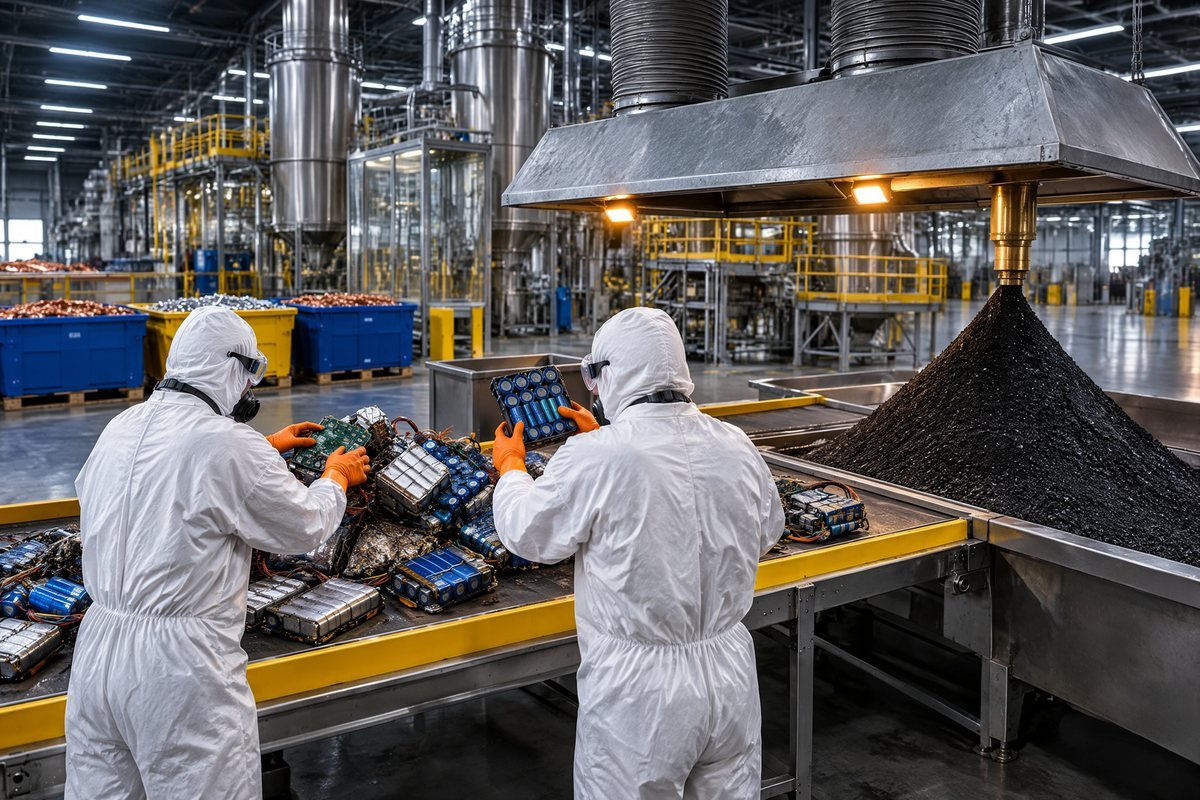
On 10 November 2026, the Directorate General of Foreign Trade (DGFT) issued Notification No. 49/2026-27, changing the export classification of lithium-ion battery black mass under ITC(HS) Code 85491400 from Free to Prohibited, effective immediately. The government explained the measure on 11 November, linking it to domestic recovery of lithium, nickel, cobalt and other valuable materials. The restriction concerns exports of specified battery waste, not domestic recycling itself. An accompanying policy debate concerns whether India’s collection, separation and refining capabilities can effectively utilise the retained material.
Concept: Battery Waste Management Rules, 2022 and Extended Producer Responsibility
The Battery Waste Management Rules, 2022, notified under the Environment (Protection) Act, 1986, establish a framework for environmentally sound management of waste batteries. They apply to battery categories including electric-vehicle, automotive, portable and industrial batteries. Extended Producer Responsibility (EPR) places obligations on producers to ensure waste-battery recycling or refurbishment through prescribed mechanisms. The Central Pollution Control Board operates the central registration and compliance framework. Black mass is material obtained through the processing of spent batteries. Further refining is needed to recover usable critical minerals.
Key facts for Prelims
- DGFT: Directorate General of Foreign Trade, under the Ministry of Commerce and Industry.
- Export restriction: Notification No. 49/2026-27, dated 10 November 2026.
- ITC(HS) 85491400 covers specified unsorted battery waste and scrap without lead, cadmium or mercury; transitional arrangements under paragraph 1.05 of the Foreign Trade Policy 2023 apply.
- Important recovered materials: Lithium, nickel, cobalt and graphite.
Mains analysis and way forward
Mains analysis
- Resource security: Domestic recovery can reduce dependence on imported minerals used in electric vehicles and energy storage.
- Recycling capability: Restricting exports does not automatically create sufficient domestic capacity to refine black mass into battery-grade materials.
- Environmental management: Informal or unsafe recycling may expose workers and communities to toxic substances and fire hazards.
- Circular economy: Recovered materials can reduce demand for primary mining if domestic processing is commercially and technically viable.
Way forward
- Expand safe battery collection, dismantling, refining and material-recovery infrastructure.
- Strengthen EPR compliance, digital traceability and worker-safety standards.
- Support advanced recovery technologies and markets for recycled battery materials.
Connect the dots: GS III critical minerals + electric mobility + circular economy + environmental regulation.
Sources: The Hindu, editorial, “Critical ban: On recycling of lithium-ion batteries”, 14 November 2026. PIB, “DGFT prohibits export of Lithium-Ion Battery Black Mass to strengthen domestic recycling and critical mineral recovery”, 11 November 2026.
Global Carbon Budget: world fossil CO2 to fall in 2026 while India’s rises
In short: The Global Carbon Budget 2026 projects falling fossil CO2 emissions worldwide but a 4.4% increase in India, highlighting differing energy-transition challenges.
Why in news
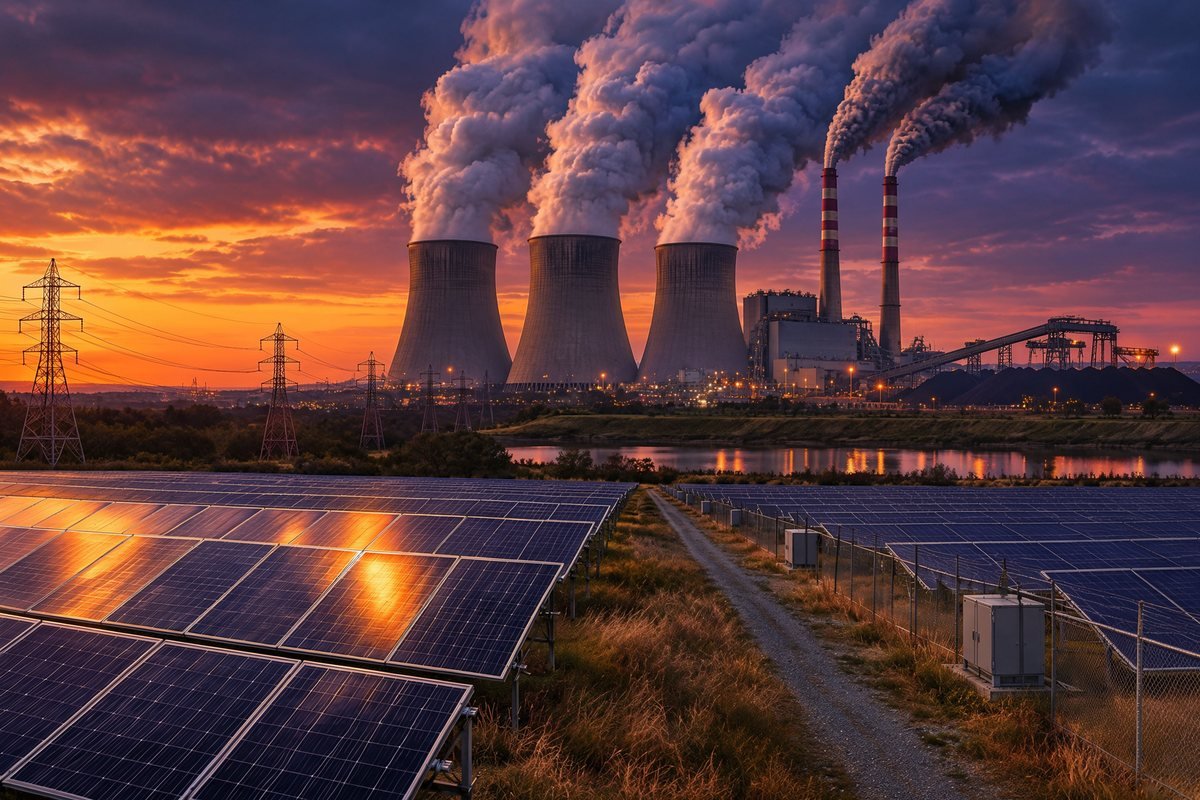
The Global Carbon Project released its Global Carbon Budget 2026 on 10 November. It projects global fossil-fuel CO2 emissions to decline by 0.4% to 38.2 billion tonnes, partly because of renewable-energy growth and reduced oil consumption linked to the West Asia conflict. India’s fossil CO2 emissions are projected to rise by 4.4%, reflecting greater cooling demand, coal use and industrial activity. Importantly, total global CO2 emissions, including land-use change, are projected to increase to 43.3 billion tonnes. These figures are estimates, not final annual observations.
Concept: Carbon Budget, Emissions Intensity and Climate Equity
A carbon budget estimates how much additional CO2 humanity can emit while maintaining a specified probability of limiting global warming. Total emissions measure a country’s aggregate emissions, while per-capita emissions divide them by population. Emissions intensity measures emissions relative to economic output, commonly GDP. A country can reduce emissions intensity while total emissions still increase. Under the UNFCCC, Common but Differentiated Responsibilities and Respective Capabilities (CBDR-RC) recognises shared climate obligations while accounting for differing national circumstances, historical responsibilities and capacities.
Key facts for Prelims
- Global Carbon Budget 2026: Global fossil CO2 emissions projected at 38.2 billion tonnes, a 0.4% decline.
- India’s projected fossil CO2 emissions growth: 4.4%.
- Total global CO2 emissions including land-use change: 43.3 billion tonnes, projected to increase.
- India’s 2031-2035 NDC: 47% lower GDP emissions intensity from 2005 levels, 60% non-fossil installed electric-power capacity, and an additional forest-and-tree-cover carbon sink of 3.5 to 4.0 billion tonnes CO2-equivalent by 2035; net zero by 2070 remains the long-term goal.
Mains analysis and way forward
Mains analysis
- Development needs: Industrialisation, infrastructure expansion and rising cooling demand increase India’s energy requirements.
- Structural transition: Fossil-fuel emissions may grow even while renewable capacity expands, particularly where heavy industry depends on coal.
- Climate equity: India’s relatively low per-capita emissions and development requirements remain important in assessing its responsibilities.
- Global warning: A short-term decline in fossil emissions does not prove sustained decarbonisation, especially when land-use emissions increase.
Way forward
- Accelerate industrial decarbonisation, renewable electricity, storage and energy efficiency.
- Develop affordable low-carbon technologies for steel, cement and other difficult-to-decarbonise sectors.
- Combine domestic climate action with international cooperation on finance and technology transfer.
Connect the dots: GS III climate change + industrial development + energy security + CBDR-RC + India’s NDC.
Sources: The Indian Express, “Global carbon emissions are set to fall. Why are India’s emissions projected to rise?”, 12 November 2026. Global Carbon Project, “Fossil CO2 emissions decrease in 2026”, 10 November 2026. PIB, India’s NDC for 2031-2035, 25 March 2026.
COP31 pushes a global electrification goal as climate finance worries persist
In short: COP31 discussions highlight the need to expand clean electricity while addressing inadequate climate finance and environmental risks from critical-mineral extraction.

Why in news
At COP31 in Antalya, Türkiye, the summit presidency promoted a proposed “35-by-35” electrification pledge to increase electricity’s share of global energy consumption from approximately 23% to 35% by 2035 (the COP31 Presidency’s ’35-by-35′ Global Electrification Pledge, a presidency-led pledge rather than a binding UNFCCC obligation). Environmental and human-rights groups called for stronger safeguards in critical-mineral mining. Meanwhile, vulnerable developing countries raised concerns about slow climate-finance delivery. Reports dated 12 and 13 November 2026 indicated limited urgency among major donors. The discussions follow COP29’s climate-finance agreement, which established a $300 billion annual target for developing countries by 2035.
Concept: Climate Finance and the New Collective Quantified Goal
Climate finance supports mitigation, which reduces greenhouse-gas emissions, and adaptation, which limits damage from climate impacts. Article 9 of the Paris Agreement requires developed-country parties to provide financial resources to assist developing countries with mitigation and adaptation. The New Collective Quantified Goal (NCQG), adopted at COP29 in 2024, set a goal of at least $300 billion annually by 2035 for developing countries, with developed countries taking the lead. It also called for scaling finance from all public and private sources to at least $1.3 trillion annually by 2035.
Key facts for Prelims
- COP31 venue: Antalya, Türkiye, in November 2026.
- Proposed electrification goal: Increase electricity’s share of global energy consumption to 35% by 2035.
- NCQG: At least $300 billion annually by 2035, with developed countries taking the lead.
- Paris Agreement Article 9: Financial support for mitigation and adaptation in developing countries.
Mains analysis and way forward
Mains analysis
- Finance inequity: Developing countries face substantial climate-related costs despite contributing relatively less to historical cumulative emissions.
- Adaptation challenge: Investments in flood protection, water security and climate-resilient agriculture often offer limited direct commercial returns.
- Critical-mineral dilemma: Electrification may reduce fossil-fuel dependence while increasing demand for minerals whose extraction can damage ecosystems and communities.
- Implementation gap: Announced finance goals do not guarantee timely, accessible or affordable funding.
Way forward
- Improve predictability, transparency and accessibility of climate-finance flows, particularly adaptation grants and concessional finance.
- Establish strong environmental, labour and community safeguards across critical-mineral supply chains.
- Expand renewable electricity, storage and grid infrastructure so electrification delivers genuine emissions reductions.
Connect the dots: GS III energy transition + GS II international agreements + CBDR-RC + climate justice + sustainable mining.
Sources: The Hindu, “UN climate summit pushes electrification goal as groups call for mining safeguards”, 13 November 2026. The Hindu, “Urgent climate finance pleas at COP31 face a non-urgent response”, 14 November 2026. Associated Press, 12 November 2026. Reuters, 13 November 2026. UNFCCC, COP29 finance decision, 24 November 2024.
NOAA forecasts a strong El Nino into early 2027, with a chance of record intensity
In short: NOAA forecasts strong-to-very-strong El Niño conditions through January-March 2027, while identifying a substantial probability of record intensity.
Why in news
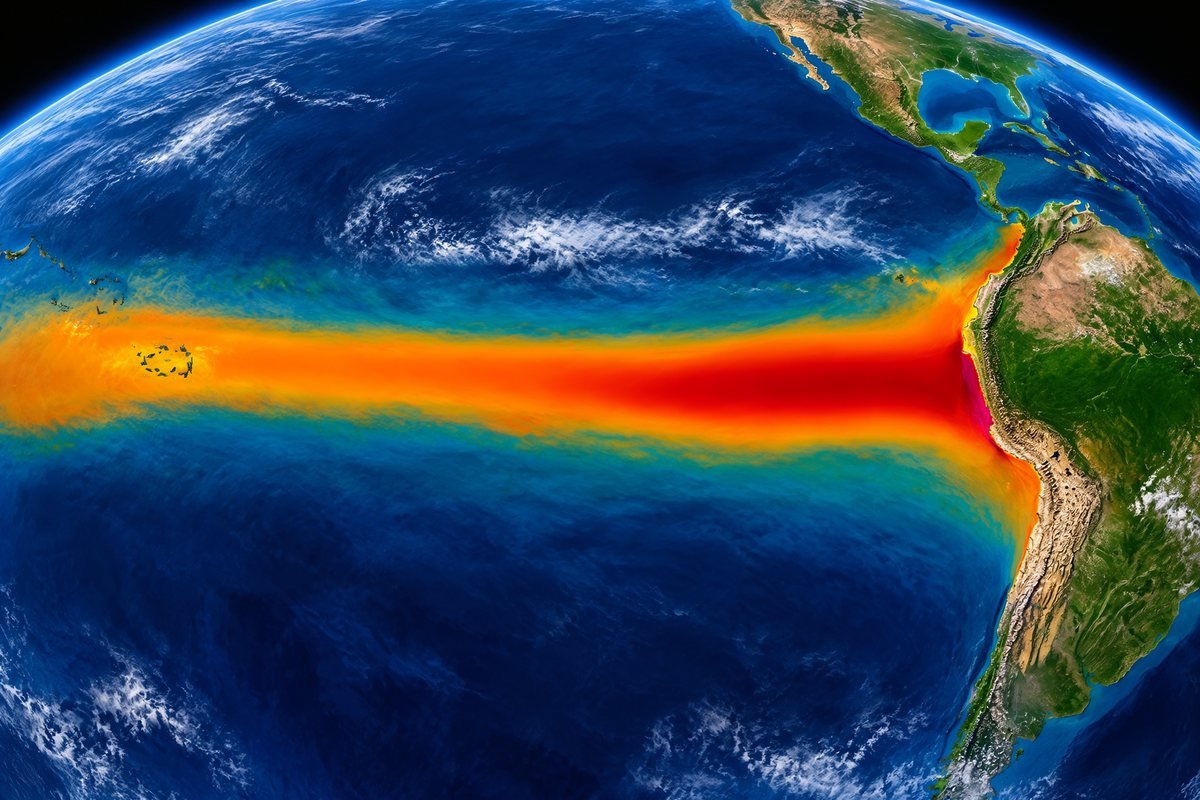
On 12 November 2026, the U.S. National Oceanic and Atmospheric Administration (NOAA) reported that El Niño continued to strengthen. Its forecast assigned more than 79% probability to strong-to-very-strong conditions through January-March 2027. NOAA estimated approximately a 60% chance that the event could exceed previous El Niño intensity records dating to 1950, measured using a three-month Relative Oceanic Niño Index. The Niño-3.4 sea-surface-temperature anomaly reached +2.5°C. These are forecasts and observations, not confirmation that a historical record has already been broken.
Concept: ENSO, Oceanic Niño Index and Indian Ocean Dipole
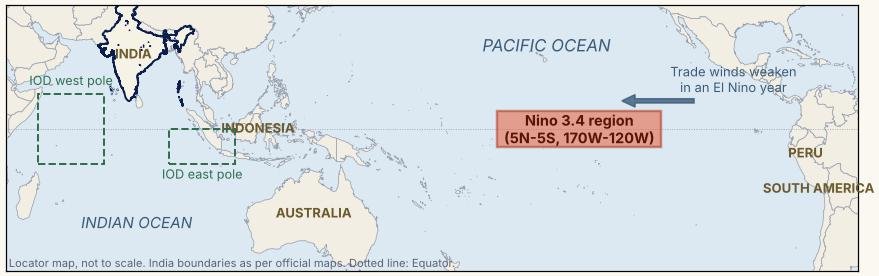
The El Niño-Southern Oscillation (ENSO) is a coupled ocean-atmosphere phenomenon in the tropical Pacific. El Niño is the warm phase, La Niña the cool phase, and ENSO-neutral the intermediate condition. The traditional Oceanic Niño Index (ONI) measures sea-surface-temperature anomalies in the Niño-3.4 region over overlapping three-month periods. NOAA also uses the Relative Oceanic Niño Index (RONI), which adjusts for tropical background warming. The Indian Ocean Dipole (IOD) describes an east-west sea-surface-temperature gradient in the tropical Indian Ocean. It can modify ENSO’s effects on Indian rainfall.
Key facts for Prelims
- NOAA: National Oceanic and Atmospheric Administration, United States.
- Niño-3.4 region: Equatorial Pacific, approximately 5°N-5°S and 170°W-120°W.
- NOAA forecast: More than 79% chance of strong-to-very-strong El Niño through January-March 2027.
- IOD: Positive phase involves relatively warmer western and cooler eastern equatorial Indian Ocean waters.
Mains analysis and way forward
Mains analysis
- Monsoon influence: El Niño often increases the probability of below-normal Indian southwest monsoon rainfall, but the relationship is not deterministic.
- Winter conditions: ENSO may influence winter temperatures and atmospheric circulation, while western disturbances and regional weather systems remain important.
- Agricultural risk: Rainfall uncertainty affects cropping decisions, irrigation demand, food prices and rural incomes.
- Forecast limitation: Conditions forecast for early 2027 cannot independently establish the outcome of the June-September 2027 monsoon.
Way forward
- Strengthen seasonal forecasting using Pacific Ocean conditions, IOD behaviour and regional climate models.
- Prepare contingency crop plans and improve irrigation efficiency in rainfall-sensitive districts.
- Communicate probabilistic forecasts clearly rather than presenting them as certain predictions.
Connect the dots: GS I ENSO and monsoons + GS III agriculture + disaster preparedness + food inflation.
Sources: The Indian Express, “Intensifying El Niño to persist until March 2027; strongest ever since 1950, says NOAA”, 14 November 2026. NOAA Climate Prediction Center, “ENSO Diagnostic Discussion”, 12 November 2026.
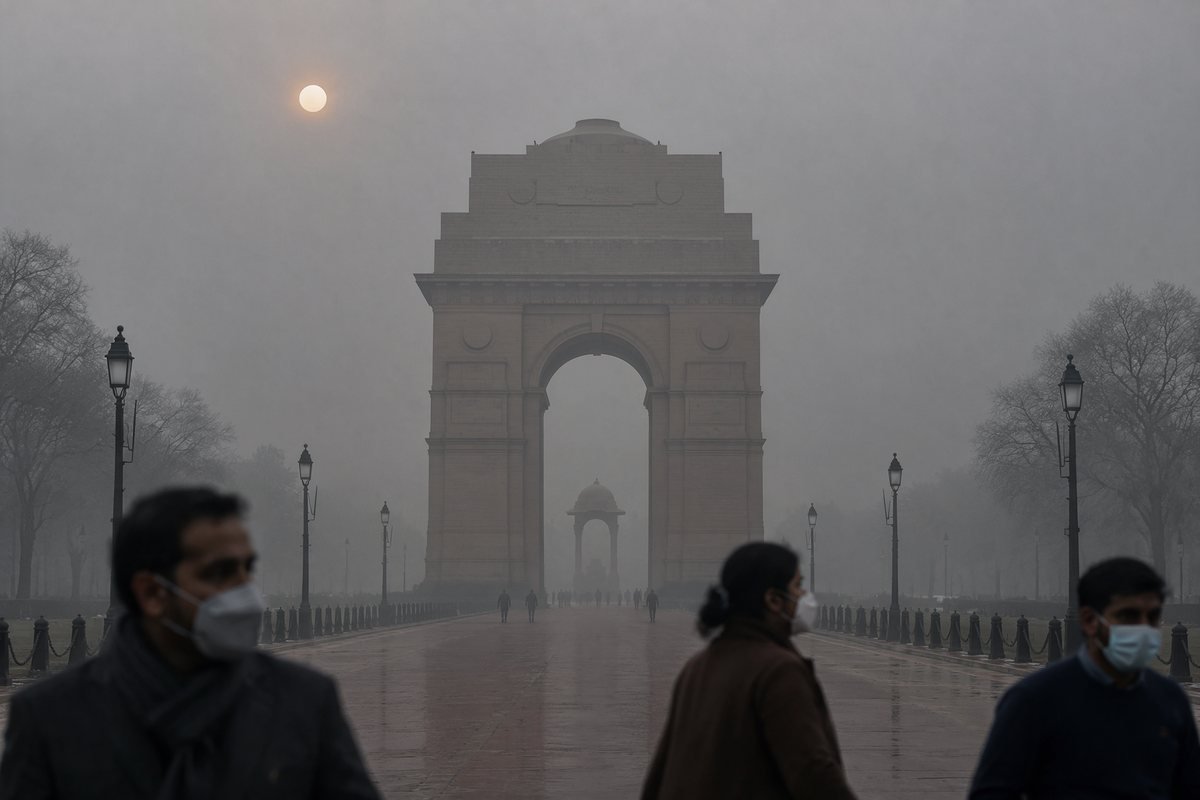
Delhi’s air turns severe again as GRAP Stage III curbs stay in force
In short: Delhi’s rolling air-quality index reached the severe category on 13 November, demonstrating the continuing challenge of winter pollution.
Why in news
On 13 November 2026, Delhi’s rolling 24-hour Air Quality Index reached 403 during the morning, entering the severe category. Several monitoring stations recorded substantially higher pollution levels. By the official 4 p.m. reporting time, the citywide AQI had improved to 373, classified as very poor, although some stations remained severe. The Commission for Air Quality Management (CAQM) had already invoked Stage III of the Graded Response Action Plan on 6 November, anticipating deterioration. Low wind speeds, winter meteorology and multiple emission sources contributed to the pollution episode.
Concept: AQI, GRAP and Winter Temperature Inversion
The Air Quality Index (AQI) converts concentrations of major air pollutants into a public health indicator. Delhi-NCR follows the Graded Response Action Plan (GRAP), implemented under the Commission for Air Quality Management. Its four stages correspond to Poor, Very Poor, Severe and Severe Plus conditions. During winter temperature inversion, cooler air near the surface becomes trapped beneath warmer air, reducing vertical mixing. Low wind speeds further restrict pollutant dispersal. Vehicular emissions, industrial activity, road dust, construction, biomass burning and seasonal crop-residue burning can all contribute to pollution.
Key facts for Prelims
- National AQI categories: Good 0-50; Satisfactory 51-100; Moderate 101-200; Poor 201-300; Very Poor 301-400; Severe 401-500.
- GRAP Stage I: AQI 201-300; Stage II: 301-400; Stage III: 401-450; Stage IV: above 450.
- CAQM is a statutory body established under the Commission for Air Quality Management in National Capital Region and Adjoining Areas Act, 2021.
- GRAP measures can be invoked in advance based on pollution forecasts, before the relevant AQI threshold is actually reached.
Mains analysis and way forward
Mains analysis
- Regional pollution: Delhi’s air quality depends on emissions across the larger National Capital Region and adjoining areas.
- Seasonal aggravation: Winter meteorology traps pollutants, but adverse weather is not itself the primary source of emissions.
- Governance challenge: Effective pollution control requires coordination among state governments, local bodies and specialised regulators.
- Health burden: Severe pollution increases risks for vulnerable groups and imposes wider public-health and productivity costs.
Way forward
- Prioritise year-round reductions in transport, industrial, construction and waste-burning emissions.
- Support farmers with economically viable crop-residue management alternatives.
- Improve public transport, monitoring networks and targeted health advisories.
Connect the dots: GS III air pollution + federal coordination + public health + agricultural residue management.
Sources: The Hindu, “Delhi’s air quality slips into severe category”, 13 November 2026. PIB, “CAQM invokes Stage-III of GRAP in Delhi-NCR”, 6 November 2026. The New Indian Express, 13 November 2026.
Science and health
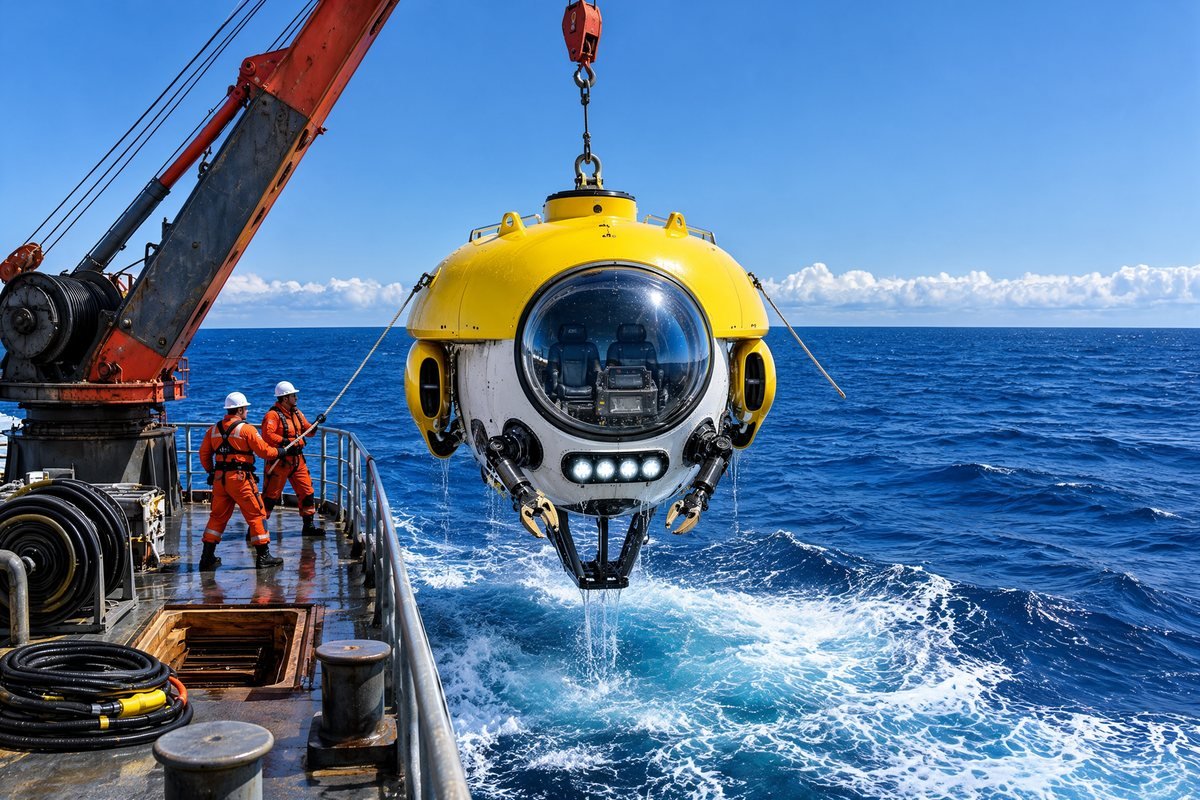
Matsya-6000 to attempt a 500-metre trial dive in the Bay of Bengal in early 2027
In short: India’s crewed deep-ocean submersible is expected to undergo a 500-metre trial in early 2027 before progressing towards its 6,000-metre capability.
Why in news
On 13 November 2026, Ministry of Earth Sciences Secretary Srinivasa Kumar Tummala stated that the Matsya-6000 submersible was expected to undertake a 500-metre trial dive during January-February 2027 in the Bay of Bengal. Developed by the National Institute of Ocean Technology (NIOT), the vehicle is designed to carry three people to depths of 6,000 metres. The trial would form part of the phased development of Samudrayaan under India’s Deep Ocean Mission. Technical testing, crew preparation and validation of critical safety systems remain essential before deeper crewed dives.
Concept: Samudrayaan, Polymetallic Nodules and Deep-Sea Governance
Samudrayaan is India’s human deep-ocean exploration initiative under the Deep Ocean Mission, implemented by the Ministry of Earth Sciences. Matsya-6000 is being developed by NIOT to enable crewed scientific exploration at great ocean depths. Polymetallic nodules are mineral-rich deposits found on the seabed, containing manganese, nickel, cobalt and copper. The International Seabed Authority (ISA), established under the United Nations Convention on the Law of the Sea (UNCLOS), regulates mineral-related activities in the international seabed Area beyond national jurisdiction. Exploration must be distinguished from commercial extraction.
Key facts for Prelims
- Implementing ministry: Ministry of Earth Sciences.
- Developing institution: National Institute of Ocean Technology, Chennai.
- Matsya-6000 design: Three-person crew, intended maximum operating depth of 6,000 metres.
- International Seabed Authority: Based in Kingston, Jamaica; established under UNCLOS.
Mains analysis and way forward
Mains analysis
- Technological capability: Developing deep-sea submersibles strengthens India’s expertise in pressure-resistant materials, robotics and life-support systems.
- Strategic importance: Ocean exploration can improve scientific understanding of marine ecosystems and critical mineral resources.
- Environmental uncertainty: Deep-sea mining raises concerns about biodiversity loss, sediment disturbance and insufficient knowledge of deep-sea habitats.
- Research capability: Indigenous ocean technology can improve India’s participation in global marine research and governance.
Way forward
- Prioritise phased trials, crew safety and independent validation of critical systems.
- Develop environmental baselines before considering large-scale mineral extraction.
- Strengthen coordination among NIOT, ISRO, research institutions and international scientific bodies.
Connect the dots: GS III science and technology + critical minerals + blue economy + UNCLOS + marine biodiversity.
Sources: The Hindu, “Deep-ocean submersible Matsya-6000’s 500-m trial dive in early 2027: MoES secretary”, 13 November 2026. PIB, “Union Minister Reviews Major Achievements of Earth Science Institutions”, 10 November 2026. International Seabed Authority, “Polymetallic Nodules”.
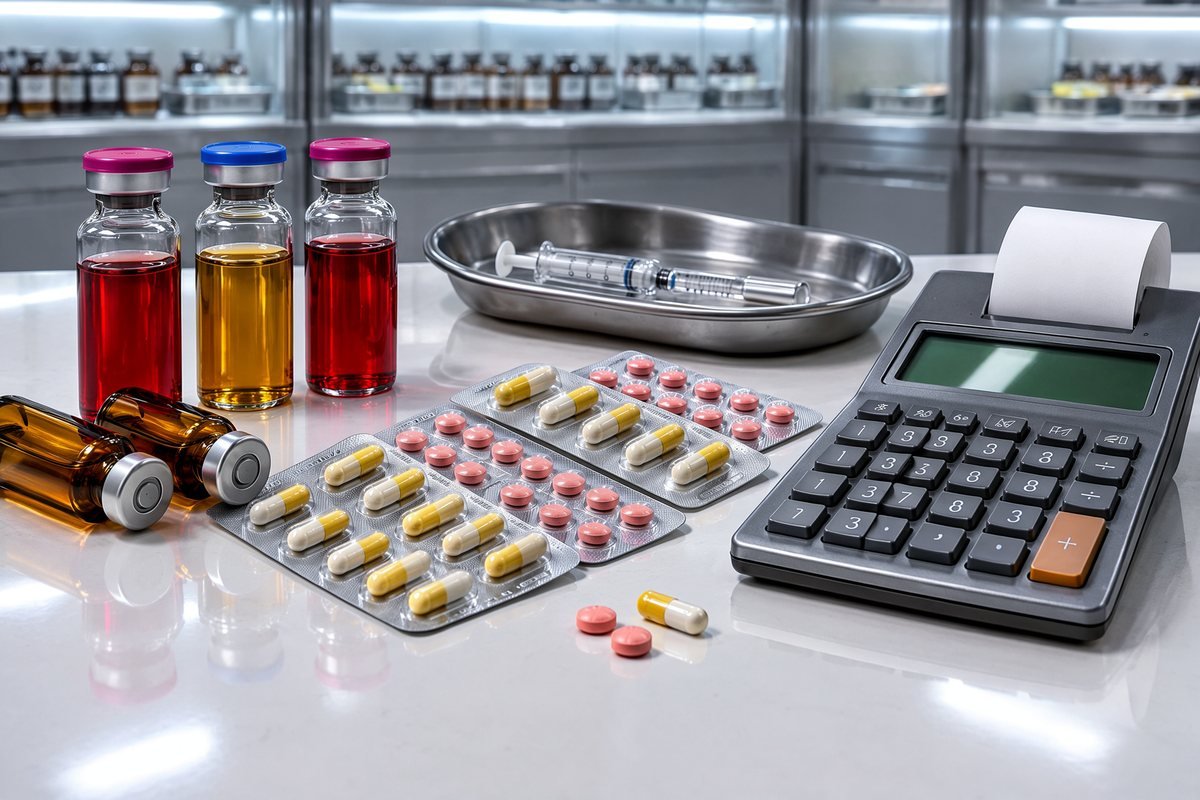
NPPA orders strict compliance with revised prices of 137 anti-cancer drugs
In short: The drug-pricing regulator has instructed manufacturers, retailers and hospitals to implement revised anti-cancer medicine prices and prevent overcharging.
Why in news
On 13 November 2026, the National Pharmaceutical Pricing Authority (NPPA) directed strict monitoring of revised prices for 137 non-scheduled anti-cancer drugs. Trade Margin Rationalisation was notified on 17 October, with revised prices effective from 9 November 2026. Manufacturers, retailers, stockists and hospitals must comply with the updated prices and display them appropriately. State Drug Controllers have been instructed to monitor implementation and submit action-taken reports by 16 November. Violations may result in overcharging proceedings under the Drugs (Prices Control) Order, 2013.
Concept: NPPA, DPCO 2013 and Trade Margin Rationalisation
The National Pharmaceutical Pricing Authority functions under the Department of Pharmaceuticals, Ministry of Chemicals and Fertilizers. The Drugs (Prices Control) Order, 2013 provides the regulatory framework for medicine-price control. Scheduled formulations are subject to notified ceiling prices under the applicable regulatory provisions. Non-scheduled medicines are generally subject to price monitoring and specific regulatory interventions. Trade Margin Rationalisation (TMR) seeks to limit excessive margins within the distribution chain, helping reduce the maximum retail prices paid by patients. Lower medicine prices can reduce direct household healthcare expenditure.
Key facts for Prelims
- NPPA: National Pharmaceutical Pricing Authority.
- Department: Department of Pharmaceuticals, Ministry of Chemicals and Fertilizers.
- Revised prices effective: 9 November 2026.
- State Drug Controllers’ action-taken report deadline: 16 November 2026.
Mains analysis and way forward
Mains analysis
- Healthcare affordability: Cancer treatment can impose substantial recurring medicine expenses on households.
- Distribution margins: Large differences between procurement prices and final retail prices may contribute to unaffordable treatment.
- Enforcement: Price revisions offer limited benefits unless hospitals, pharmacies and manufacturers implement them.
- Market balance: Pharmaceutical regulation must balance affordability, medicine availability and incentives for research and supply.
Way forward
- Strengthen price monitoring and enforcement across hospitals and retail pharmacies.
- Publicise revised MRPs and let patients report overcharging, shortages and non-availability through Pharma Sahi Daam and NPPA’s complaint mechanisms.
- Combine price regulation with wider access to screening, diagnosis, insurance coverage and essential treatment.
Connect the dots: GS II public health + pharmaceutical regulation + financial protection + universal health coverage.
Sources: The Hindu, “Comply with new prices of 137 anti-cancer drugs or face action, says regulator”, 13 November 2026. PIB, “NPPA Directs Strict Monitoring of Implementation of TMR on 137 Anti-Cancer Drugs”, 13 November 2026.
International relations
India-Bangladesh consular dialogue postponed amid strained ties
In short: India says its postponed consular dialogue with Bangladesh will be rescheduled, while broader diplomatic questions include Sheikh Hasina’s extradition.

Why in news
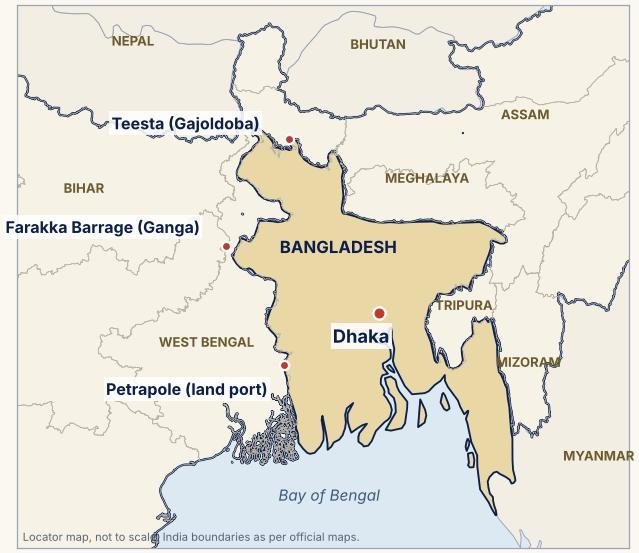
On 13 November 2026, Ministry of External Affairs spokesperson Randhir Jaiswal stated that the next India-Bangladesh Consular Dialogue would take place on a mutually convenient date. The postponed discussions were expected to include revised travel arrangements. India reiterated its intention to maintain constructive relations and continue dialogue through established mechanisms covering trade, railways, water resources and border management. Separately, Bangladesh has sought the return of former Prime Minister Sheikh Hasina, who has been in India since August 2024. The extradition issue requires legal and diplomatic consideration under the bilateral treaty framework.
Concept: Extradition Treaties and Neighbourhood First Policy
Extradition is the legal process through which one country transfers a person sought for prosecution or punishment in another country, subject to applicable laws and treaty provisions. India and Bangladesh signed an extradition treaty in 2013, which entered into force on 23 October 2013. The treaty framework was amended in 2016. Extradition is not automatic merely because another country submits a request. Legal requirements, treaty conditions and applicable protections must be considered. India’s Neighbourhood First policy prioritises cooperation, connectivity, stability and engagement with neighbouring countries.
Key facts for Prelims
- India-Bangladesh Extradition Treaty: Signed in 2013; entered into force on 23 October 2013.
- Bilateral extradition framework: Amended in 2016.
- Domestic legal framework: Extradition Act, 1962.
- Important bilateral cooperation areas: Border management, trade, connectivity, inland waterways and water-resource management.
Mains analysis and way forward
Mains analysis
- Strategic geography: Bangladesh is important to India’s connectivity with the Northeast and wider Bay of Bengal region.
- Diplomatic complexity: The Sheikh Hasina question involves legal obligations, bilateral sensitivities and the wider political relationship.
- Shared resources: Transboundary rivers require sustained engagement, particularly where water-sharing arrangements remain contested.
- People-centric diplomacy: Visa arrangements, consular support, border coordination and commercial links directly affect citizens and businesses.
Way forward
- Maintain communication through formal diplomatic and technical channels.
- Examine extradition-related matters under applicable law and treaty obligations without prejudging their outcome.
- Continue cooperation on trade, border management, water resources and connectivity, independently of individual political disputes.
Connect the dots: GS II Neighbourhood First + extradition law + transboundary river management + regional connectivity.
Sources: The Hindu, “India-Bangladesh consular dialogue will be held on a mutually convenient date: MEA”, 13 November 2026. The Hindu, editorial, “In a dilemma: On Sheikh Hasina and India-Bangladesh ties”, 13 November 2026. Ministry of External Affairs, “List of Extradition Treaties/Arrangements”. The New Indian Express, 13 November 2026.
In brief
- Blue Flag beaches: Three Maharashtra beaches, Ladghar, Guhagar and Shrivardhan, have received Blue Flag certification, taking India’s reported total to 22. The Foundation for Environmental Education awards the tag based on 33 criteria covering environmental education, water quality, environmental management, and safety and services. Source
- IMF on India’s growth: The IMF says stronger private investment, productivity improvements and faster creation of high-quality jobs are needed for India to realise its estimated medium-term potential growth of 6.8%. Source
- SCO Civilisational Dialogue Forum: India will host the inaugural forum at Purana Qila, New Delhi, from 20 to 22 November 2026. The Shanghai Cooperation Organisation was established in 2001 and has 10 full members, including India, which joined in 2017. Source
- Infosys Prize 2026: Six researchers have been selected for the Infosys Science Foundation’s annual prizes across six academic disciplines. Each prize carries a gold medal, citation and $100,000; since 2024, the awards have focused on researchers below 40 years of age. Source
- What is driving inflation: October 2026 food inflation reached 8.94%, while higher airfares, expensive electronic components and rising core inflation added to household price pressures. The CPI inflation basket is affected by both food and non-food price movements. Source
- Phage therapy and AMR: Researchers report promising applications of bacteriophages, viruses that selectively infect bacteria, against difficult-to-treat bacterial infections. Phage therapy remains an emerging treatment approach that requires further high-quality clinical evidence. Source
Prelims practice: 5 questions
Choose an option to see the answer and explanation. Your score appears when all five are answered.
Mains practice
GS III | Climate change, climate finance and India “Climate finance is central to reconciling India’s development priorities with its climate commitments.” Examine this statement in the context of COP31 discussions and the principles of equity and Common but Differentiated Responsibilities and Respective Capabilities.
Show the answer outline
INTRODUCTION
COP31 discussions have highlighted the gap between the scale of climate action required and the finance available to developing countries. For India, climate finance is linked to energy security, development, adaptation and a fair global transition.
EQUITY AND DIFFERENTIATED RESPONSIBILITIES
- CBDR-RC recognises common climate obligations while accounting for historical emissions, national circumstances and capabilities.
- India can emphasise per-capita emissions, development needs and historical responsibility alongside its own mitigation commitments.
- Climate equity requires affordable pathways for expanding energy access and industrial development.
CLIMATE FINANCE AND INTERNATIONAL OBLIGATIONS
- Article 9 of the Paris Agreement places financial-support obligations on developed-country parties.
- COP29’s NCQG established a goal of at least $300 billion annually for developing countries by 2035, with developed countries taking the lead.
- The wider $1.3 trillion annual finance goal involves finance from all sources and must not be confused with the $300 billion target.
- India should advocate predictable, accessible, concessional and grant-based finance, particularly for adaptation.
INDIA’S DOMESTIC CLIMATE COMMITMENTS
- India’s 2035 NDC targets a 47% reduction in GDP emissions intensity from 2005 levels and 60% non-fossil installed electric-power capacity.
- Net-zero emissions by 2070 remains the long-term commitment.
- Renewable electricity, storage, energy efficiency and industrial decarbonisation can support development while reducing emissions intensity.
PRIORITIES FOR AN EQUITABLE TRANSITION
- Protect workers and communities affected by changes in fossil-fuel-dependent industries.
- Strengthen safeguards against environmental and social harm from critical-mineral extraction.
- Improve transparent reporting of climate-finance commitments, actual disbursements and outcomes.
CONCLUSION
India’s position should combine credible domestic climate action with a consistent demand for equitable international support. Climate finance must enable development and adaptation, not merely announce larger targets.
TIP: Distinguish the $300 billion NCQG from the wider $1.3 trillion finance goal. Link Article 9 and CBDR-RC to India’s specific 2035 NDC commitments rather than offering generic arguments about climate justice.
Practise on real UPSC papers, free. Then test yourself every fortnight.
Prelims Replay puts 20 actual UPSC Prelims papers online as timed tests, with explanations and subject-wise analysis, completely free. When you are ready, the Prelims 2027 test series adds full-length GS and CSAT tests (from Rs 1,999), with sectional tests in the Complete series.
Take a free Prelims Replay test See the test series
Mains Replay · All programmes · WhatsApp +91 81220 02172
Current Canvas is prepared by the UPSC Gurus editorial desk. Every fact is checked against official releases and reliable reporting, with sources listed under each story. Editions are compiled each month into Current Canvas Monthly, a free magazine.
About images: photographs and illustrations in Current Canvas are AI-generated for illustration only. They are not news photographs of the events described.
Your first Mentor’s Desk call is free
One free conversation per aspirant about where you are in your preparation, with an honest suggestion of the right next step.
Know more and bookHave a question? Get in touch
For questions about a programme, its fees, batch dates, payment or access. Message us on WhatsApp and our team will reply. Asking a question is not a booking, and you can ask as often as you need.
Get in touch on WhatsApp