Today’s Canvas
Today’s edition follows how decisions travel from the national level to the village and the forest edge. A new schedule of rural works, an authority to plan transport as one network and a fund for growing small firms sit alongside fresh guidance on children’s health, a milestone for telemedicine, and two careful steps in wildlife conservation. Each story is checked against official releases and reliable reporting, and linked to the syllabus so that the news becomes understanding.
- 375 permissible works notified under the VB-G RAM G framework, a 41% expansionGS II and III
- Cabinet approves Integrated Transport & Logistics Authority as apex body for multimodal planningGS III
- Cabinet approves Rs 10,000 crore commitment to SME Growth Fund for growth-stage equityGS III
- National SC-ST Hub: a decade of building SC/ST enterprise through public procurementGS II and III
- Supreme Court to consider listing plea on split verdict over Election Commissioners’ appointment lawGS II
- WHO issues first global guidelines on child and adolescent obesity, puts lifestyle care firstGS II
- eSanjeevani crosses 50 crore teleconsultations, with women accounting for 57% of useGS II
- Russia reiterates Kaliningrad security concerns amid tensions with NATOGS II
- Cheetahs Vyom and Neera moved to Veerangana Durgavati Tiger Reserve, third cheetah site in Madhya PradeshGS III
- Assam GPS-collar study maps elephant movement through tea gardens, farms and river corridorsGS III
- DRDO flight-tests an indigenous High-Altitude Platform to 21 km in the stratosphereGS III
- Canadian poet and classicist Anne Carson wins the 2026 Nobel Prize in LiteratureGS I
- The rural works schedule under VB-G RAM G now lists 375 permissible works, up from 266, with water security the largest category.
- The Cabinet approved an Integrated Transport & Logistics Authority to plan transport as one network and a Rs 10,000 crore commitment to an SME Growth Fund.
- WHO issued its first global guidelines on child and adolescent obesity, placing diet, activity and behaviour change at the centre of care.
- eSanjeevani crossed 50 crore teleconsultations; women account for 57% of its use.
- Two cheetahs were moved to Veerangana Durgavati Tiger Reserve, the third cheetah site in Madhya Pradesh.
- Anne Carson of Canada won the 2026 Nobel Prize in Literature.
Governance and economy
375 permissible works notified under the VB-G RAM G framework, a 41% expansion
Why in news
The Ministry of Rural Development has notified a new schedule of 375 permissible works under the Viksit Bharat-Guarantee for Rozgar and Ajeevika Mission (Gramin), or VB-G RAM G, as reported on 6 October 2026. The Ministry said the schedule is a 41 per cent expansion over the 266 works permitted under the previous framework.
Background
The VB-G RAM G Act, 2025 replaced the Mahatma Gandhi National Rural Employment Guarantee framework and guarantees wage employment to rural households, with 125 days per household per year. The new schedule groups works into four categories: water security (128), core rural infrastructure (111), livelihood-related infrastructure (98) and special works for extreme weather and disaster preparedness (38). The Ministry said the framework seeks to move beyond a conventional list of asset types, and works will be identified through decentralised planning with local communities setting priorities.
Key facts for Prelims
- Total permissible works: 375, up from 266 (a 41% expansion).
- Categories: water security 128; core rural infrastructure 111; livelihood-related infrastructure 98; extreme weather and disaster preparedness 38.
- VB-G RAM G: Viksit Bharat-Guarantee for Rozgar and Ajeevika Mission (Gramin); guarantees 125 days of wage employment per rural household.
- Nodal ministry: Ministry of Rural Development.
- Planning: decentralised, with Gram Panchayats and local communities identifying priorities.
Mains analysis and way forward
Mains analysis
- From relief to resilience: a larger share of works for water security and disaster preparedness can turn wage employment into durable climate adaptation assets.
- Livelihood focus: infrastructure that supports farming, allied activities and rural enterprise can raise incomes beyond the wage period.
- Decentralisation: wider choice of works empowers Gram Sabhas and Panchayats, but needs technical support for planning and estimation.
- Quality and maintenance: more categories require stronger engineering supervision, social audit and asset upkeep.
- Fiscal and administrative capacity: timely wage payments and fund flows remain essential for the guarantee to be meaningful.
Way forward
- Train Panchayat functionaries and technical assistants to plan works suited to local ecology.
- Use geotagging, social audits and public dashboards to track asset quality and use.
- Converge with watershed, irrigation and disaster management programmes for scale.
Connect the dots: Article 40 (village panchayats), Article 41 (right to work, DPSP), 73rd Amendment and Eleventh Schedule; earlier MGNREGA, 2005.
Sources: The Hans India: Centre expands rural job scheme as VB-G RAM G framework allows 375 types of works, 6 Oct 2026; All India Radio: VB-G RAM G Act guarantees 125 days of wage employment, Jan 2026
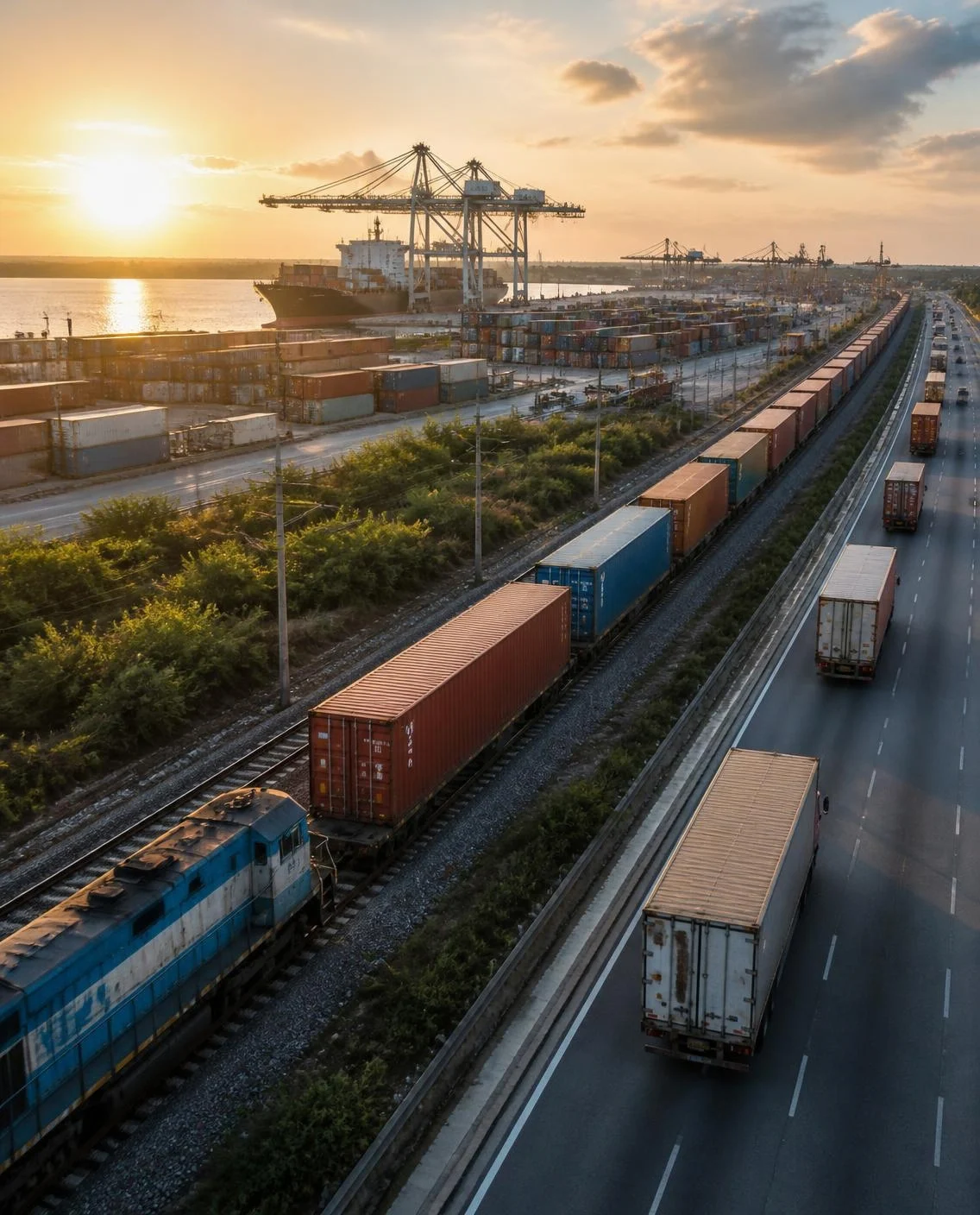
Cabinet approves Integrated Transport & Logistics Authority as apex body for multimodal planning
Why in news
On 6 October 2026, the Union Cabinet chaired by Prime Minister Narendra Modi approved setting up the Integrated Transport & Logistics Authority (ITLA) as a Special Purpose Vehicle. ITLA will prepare a National Transport Master Plan with a horizon of ten years or more and will technically appraise and monitor Government of India transport projects costing Rs 500 crore or more.
Background
Transport planning in India is spread across several ministries and agencies (roads, railways, ports and shipping, civil aviation, inland waterways), and the Cabinet decision is aimed at addressing this fragmented planning. The PM Gati Shakti National Master Plan was launched on 13 October 2021 and the National Logistics Policy (NLP) on 17 September 2022; ITLA is meant to complement both. A first systematic DPIIT-NCAER study, released on 25 September 2025, estimated India’s logistics cost at 7.97 per cent of GDP (about Rs 24.01 lakh crore) for 2023-24. The NLP aims for India to be among the top 25 countries in the Logistics Performance Index by 2030.
Key facts for Prelims
- ITLA: approved by the Union Cabinet on 6 October 2026 as a Special Purpose Vehicle; described as the national apex institution for integrated transport and logistics planning.
- National Transport Master Plan (NTMP): planning horizon of ten years or more; covers roads, railways, ports and shipping, civil aviation, inland waterways, coastal shipping, urban mobility and logistics.
- Project threshold: technical appraisal and monitoring of Government of India projects costing Rs 500 crore or more; financial appraisal stays with existing mechanisms.
- National Transport Data Repository (NTDR): to combine datasets such as GSTN e-way bills, FASTag, Vahan, GPS-based systems and urban traffic systems for freight-flow and origin-destination analytics.
- ITLA will review roughly five-year sectoral plans and annual plans of transport ministries for consistency with the NTMP, and advise on reviewing the National Logistics Policy, 2022.
- PM Gati Shakti NMP launched 13 October 2021; NLP launched 17 September 2022.
Mains analysis and way forward
Mains analysis
- Integration of planning: a single apex body can align sectoral plans of separate transport ministries with one long-term master plan, reducing duplication and last-mile gaps in multimodal connectivity.
- Data-driven governance: the proposed National Transport Data Repository can turn administrative data (e-way bills, FASTag, Vahan) into freight-flow and origin-destination insights for evidence-based investment decisions.
- Full project life cycle: combining technical appraisal, monitoring and post-implementation impact assessment introduces accountability for outcomes, not only outlays.
- Competitiveness: lower logistics costs (estimated at 7.97 per cent of GDP in 2023-24) support exports, manufacturing and the Vision 2047 goals cited by the government.
- Issues to watch: clarity of ITLA’s mandate relative to existing appraisal bodies and line ministries, cooperative federalism with States that own urban and state-level transport, and data privacy in pooling datasets.
Way forward
- Notify a clear institutional design (governance, staffing, legal status) and coordination protocols with line ministries and PM Gati Shakti structures.
- Involve States and urban local bodies in the NTMP so that state logistics policies and urban mobility plans feed into national planning.
- Build strong data protection and open-data standards for the National Transport Data Repository.
Connect the dots: Links to GS III infrastructure (roads, railways, ports, airports), investment models, logistics and inclusive growth; PM Gati Shakti and National Logistics Policy.
Sources: PMIndia (Cabinet decision): Cabinet approves setting up of Integrated Transport & Logistics Authority, 6 Oct 2026; All India Radio News: Union Cabinet approves Integrated Transport and Logistics Authority, 6 Oct 2026; DD India: Cabinet approves setting up of Integrated Transport & Logistics Authority, 6 Oct 2026; PIB backgrounder: PM Gati Shakti, Oct 2024; Outlook Business: India’s logistics cost pegged at 7.97% of GDP in first systematic study, Sep 2025
Cabinet approves Rs 10,000 crore commitment to SME Growth Fund for growth-stage equity
Why in news
On 6 October 2026, the Union Cabinet approved a Government of India commitment of Rs 10,000 crore to an Alternative Investment Fund (AIF) set up under the SME Growth Fund (SGF) framework. The decision gives effect to Para 28 of the Union Budget 2026-27 and aims to provide patient growth equity to high-potential small and medium enterprises.
Background
The government notes that existing equity funds mostly focus on early-stage enterprises, chiefly micro enterprises, leaving a structural gap in growth-stage equity for SMEs. The SGF is part of a wider set of Budget 2026-27 measures on equity, liquidity and professional support for the MSME ecosystem. Capital is meant for scaling operations, technology and manufacturing capacity, international expansion, global value chain integration and acquisitions. The majority of the allocation will go to small and medium manufacturing-focused enterprises, and SMEs in industrial clusters of Tier II and Tier III cities will be considered.
Key facts for Prelims
- SME Growth Fund (SGF): Rs 10,000 crore Government of India commitment approved by the Union Cabinet on 6 October 2026.
- Vehicle: an Alternative Investment Fund (AIF) established under the SGF framework (AIFs are regulated by SEBI).
- Budget link: gives effect to Para 28 of the Union Budget 2026-27.
- Focus: majority of allocation to small and medium manufacturing enterprises; also services, technology, innovation-driven sectors and strategic value chains.
- Geography: SMEs in industrial clusters in Tier II and Tier III cities to be considered.
Mains analysis and way forward
Mains analysis
- Filling the missing middle: SMEs often outgrow micro-finance and early-stage venture capital but are too small for capital markets; patient equity addresses this gap without adding debt burden.
- Manufacturing push: directing most of the allocation to manufacturing SMEs supports capacity building, technology upgrading and integration into global value chains.
- Balanced regional growth: considering Tier II and Tier III industrial clusters can spread investment beyond metropolitan hubs.
- Crowding in private capital: a government anchor commitment through an AIF can signal confidence and deepen the domestic capital market for growth-stage firms.
- Concerns: implementation details such as the fund manager, ticket sizes, eligibility criteria and exit routes are yet to be spelt out; governance and transparent selection will decide outcomes.
Way forward
- Publish clear operational guidelines on eligibility, fund management and reporting of outcomes such as jobs, exports and investment mobilised.
- Pair equity support with professional support (governance, accounting, compliance) so that investee firms are ready for scale.
- Track regional and sectoral spread to ensure Tier II and Tier III clusters benefit.
Connect the dots: Links to GS III Indian economy: mobilisation of resources, industrial growth, MSMEs, capital markets and inclusive growth.
Sources: PMIndia (Cabinet decision): Cabinet approves SME Growth Fund, 6 Oct 2026; All India Radio News: Union Cabinet approves Integrated Transport and Logistics Authority (also covers SME Growth Fund), 6 Oct 2026; UNI: Cabinet clears Rs 10,000 cr SME Growth Fund, 6 Oct 2026
National SC-ST Hub: a decade of building SC/ST enterprise through public procurement
Why in news
On 8 October 2026, the Press Information Bureau published a backgrounder on the National SC-ST Hub (NSSH), the Ministry of MSME scheme launched on 18 October 2016 at Ludhiana. Public procurement from SC/ST-owned micro and small enterprises has risen from Rs 99.37 crore in 2015-16 to over Rs 3,700 crore in 2025-26, and more than 1.79 lakh existing and aspiring SC/ST entrepreneurs have benefited.
Background
NSSH is a Central Sector Scheme of the Ministry of Micro, Small and Medium Enterprises, implemented through the National Small Industries Corporation (NSIC), which runs National SC-ST Hub offices across the country. Its aim is to build the capacity of SC/ST entrepreneurs and help Central Ministries, Departments and CPSEs meet the procurement sub-target for SC/ST-owned MSEs. The Public Procurement Policy for MSEs Order, 2012 (mandatory from 1 April 2015, amended in November 2018) requires at least 25% of annual procurement from MSEs, including a 4% sub-target for SC/ST-owned MSEs and 3% for women-owned MSEs. Support includes the Special Credit Linked Capital Subsidy Scheme for machinery, training and capacity building, market linkage, exhibitions, Udyam registration and GeM onboarding.
Key facts for Prelims
- National SC-ST Hub launched on 18 October 2016 at Punjab Agricultural University, Ludhiana, at the National MSME Awards.
- Ministry: Ministry of MSME; implementing agency: National Small Industries Corporation (NSIC).
- Public Procurement Policy for MSEs Order, 2012: 25% of annual procurement from MSEs; within it 4% from SC/ST-owned and 3% from women-owned MSEs.
- Article 46 (DPSP) directs the State to promote the educational and economic interests of SCs and STs.
- Procurement from SC/ST-owned MSEs: Rs 99.37 crore in 2015-16; over Rs 3,700 crore in 2025-26.
- Special Credit Linked Capital Subsidy Scheme: capital subsidy for plant and machinery for SC/ST-owned MSEs.
Mains analysis and way forward
Mains analysis
- Shift from welfare to enterprise: the Hub treats SC/ST communities as producers and suppliers, not only as beneficiaries, aligning with Article 46.
- Progress with a gap: procurement has grown many times over, yet the share of total procurement has remained below the 4% sub-target, pointing to supply-side and awareness constraints.
- Credit and capital access remain the main barriers; capital subsidy and GeM onboarding address part of the problem.
- Regional spread matters: awareness programmes in the North East, Ladakh and aspirational districts are needed so that benefits are not concentrated in a few states.
- Data and monitoring: transparent CPSE-wise reporting can help identify which buyers lag and why.
Way forward
- Expand vendor development, mentoring and incubation so more SC/ST MSEs become tender-ready.
- Link the Hub with credit guarantee and equity schemes to ease working capital constraints.
- Publish department-wise compliance with the 4% sub-target and recognise high performers.
Connect the dots: Links to GS II (welfare schemes for vulnerable sections, Article 46) and GS III (MSMEs, inclusive growth, public procurement).
Sources: PIB: Ministry of MSME is Promoting Inclusive Entrepreneurship through National SC-ST Hub Scheme, 9 Jun 2026; PIB: National SC-ST Hub Scheme aims at capacity enhancement of SC-ST entrepreneurs, 21 Dec 2023; PIB Photo: PM launches SC/ST Hub at Ludhiana, 18 Oct 2016; DC-MSME: FAQ on Public Procurement Policy for MSEs Order 2012, 27 Jan 2022
Polity
Supreme Court to consider listing plea on split verdict over Election Commissioners’ appointment law
Why in news
On 7 October 2026, Chief Justice of India Surya Kant said the Court would examine an application seeking recall of the 23 September 2026 split verdict in the challenge to the Chief Election Commissioner and Other Election Commissioners (Appointment, Conditions of Service and Term of Office) Act, 2023, and then take a call on listing it. The application cites a reasonable apprehension of bias because the son of Justice Satish Chandra Sharma, one of the two judges, has been standing counsel for the Election Commission before the Madhya Pradesh High Court; no finding of bias has been made.
Background
In Anoop Baranwal v. Union of India (2 March 2023), a five-judge Constitution Bench led by Justice K.M. Joseph directed that the CEC and Election Commissioners be appointed on the advice of a committee of the Prime Minister, the Leader of the Opposition and the Chief Justice of India until Parliament made a law. Parliament then passed the 2023 Act (Rajya Sabha on 12 December, Lok Sabha on 21 December, assent on 29 December 2023), whose selection committee comprises the Prime Minister, the Leader of the Opposition in Lok Sabha and a Union Cabinet Minister nominated by the Prime Minister, replacing the CJI. On 23 September 2026, Justices Dipankar Datta and Satish Chandra Sharma differed on whether the challenge needed a larger bench and placed the matter before the CJI for a Constitution Bench. The recall application seeks recall of Justice Sharma’s opinion and the common order, but not Justice Datta’s opinion; a separate curative petition has also been filed.
Key facts for Prelims
- Article 324: superintendence, direction and control of elections vested in the Election Commission of India.
- Anoop Baranwal v. Union of India: five-judge bench, 2 March 2023; interim committee of PM, LoP and CJI.
- 2023 Act selection committee: Prime Minister (chair), Leader of Opposition (or leader of the single largest opposition party) in Lok Sabha, and a Union Cabinet Minister nominated by the PM.
- Tenure under the 2023 Act: six years or up to age 65, whichever is earlier; no re-appointment.
- CEC can be removed only in the manner of a Supreme Court judge; ECs only on the CEC’s recommendation.
- Recall and curative petitions: curative jurisdiction was evolved in Rupa Ashok Hurra (2002) and ordinarily follows a dismissed review.
Mains analysis and way forward
Mains analysis
- Institutional independence: the core question is whether an executive-majority selection panel is consistent with the free and fair elections that form part of the basic structure.
- Parliamentary competence: Article 324(2) provides for appointments subject to a law made by Parliament, and the Anoop Baranwal arrangement was expressly meant to operate only until such a law was enacted.
- Judicial propriety: the recall plea raises the standard of a “fair-minded, informed observer” and the duty of disclosure under the Restatement of Values of Judicial Life, without alleging actual bias.
- Prolonged uncertainty: a recall, larger bench reference or curative process may delay a final ruling on a law under which appointments are already being made.
- Public trust: perceptions of both the Election Commission’s and the judiciary’s neutrality are vital to electoral legitimacy.
Way forward
- A Constitution Bench should settle the validity of the 2023 Act expeditiously to end uncertainty.
- Consider broad-based, consensus-driven selection mechanisms, as recommended earlier by the Law Commission in its 255th Report.
- Strengthen voluntary disclosure norms for judges to pre-empt recusal disputes.
Connect the dots: Links to GS II: constitutional bodies (Article 324), separation of powers, judicial review, electoral reforms.
Sources: LiveLaw: CJI to take a call on application to recall verdict in CEC appointment law, 7 Oct 2026; LiveLaw: Justice Sharma did not disclose son’s link to ECI, petitioner to Supreme Court, 7 Oct 2026; Open: Supreme Court to look again at verdict on how election chiefs are picked, 7 Oct 2026; Supreme Court Observer: Challenges to the Appointment of Election Commissioners Act, 2023; PRS Legislative Research: Bill Summary, CEC and other ECs Bill, 2023
Health
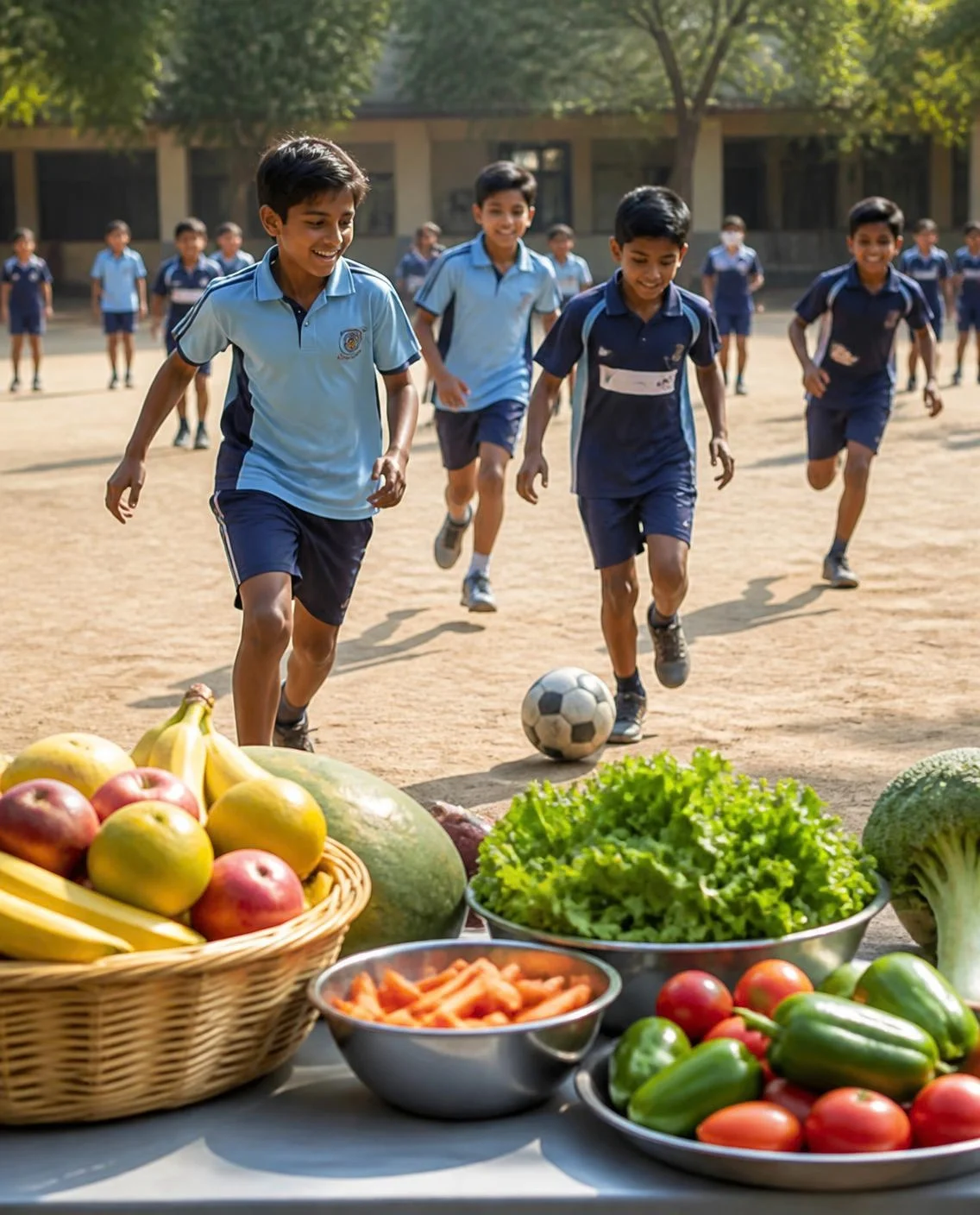
WHO issues first global guidelines on child and adolescent obesity, puts lifestyle care first
Why in news
On 7 October 2026, the World Health Organization issued its first global guidelines on child and adolescent obesity, published as two documents: one for children (29 days to under 10 years) and one for adolescents (10-19 years). WHO strongly recommends structured dietary, physical activity and behaviour-change interventions, and advises against medicines, bariatric surgery or weight-loss devices for children aged 0-9.
Background
According to WHO, 170 million children and adolescents aged 5-19 were living with obesity in 2024 (70 million aged 5-9 and 100 million aged 10-19), and prevalence in this age group has quadrupled since 1990, from 2 per cent to 8 per cent. The guidelines follow a primary health care approach and cover diet, physical activity, sedentary behaviour and sleep, behaviour change, digital health, pharmacotherapy, bariatric surgery and multimodal interventions. In India, overweight among under-5 children rose from 1.5 per cent in NFHS-3 (2005-06) to 3.4 per cent in NFHS-5 (2019-21), as cited by UNICEF India. WHO’s nutrition director Dr Luz Maria De Regil said the foundation of care “is not medicine or surgery”.
Key facts for Prelims
- Released by WHO on 7 October 2026: guidelines on the integrated management of obesity in children (29 days to under 10 years) and in adolescents (10-19 years).
- Strong recommendation: structured dietary, physical activity and behaviour-changing interventions, individually or as a multimodal programme.
- Conditional recommendation: digital health interventions, with parent or caregiver supervision.
- Ages 0-9: no drug treatment, bariatric surgery or weight-loss devices recommended. Ages 10-19: approved medicines only if a supervised multimodal lifestyle programme has not worked; bariatric surgery only under strict conditions for severe obesity.
- Global burden (2024): 170 million aged 5-19 with obesity; prevalence up from 2 per cent (1990) to 8 per cent.
- India: under-5 overweight 3.4 per cent in NFHS-5 (2019-21), up from 1.5 per cent in NFHS-3 (UNICEF India).
Mains analysis and way forward
Mains analysis
- Shift in framing: WHO treats obesity as a chronic condition needing quality, people-centred care that addresses health, functioning and well-being, not only weight.
- Caution on medicines: limiting drugs to adolescents after lifestyle programmes fail balances new therapies against unknown long-term effects in growing bodies.
- Primary health care role: the guidelines place frontline services at the centre, relevant for India’s Ayushman Arogya Mandirs and school health programmes.
- Double burden of malnutrition: India faces undernutrition and rising overweight together, so programmes such as POSHAN Abhiyaan need to address both.
- Equity and environment: access to safe play spaces, healthy food and caregiver support varies by income and region; family-centred care must avoid stigma and blame.
Way forward
- Integrate obesity screening and counselling into existing child and adolescent health platforms, with trained frontline workers.
- Complement clinical care with population measures: front-of-pack labelling, limits on marketing of unhealthy food to children, and physical activity in schools.
- Strengthen data through regular surveys and growth monitoring to track overweight alongside undernutrition.
Connect the dots: Links to GS II health, issues relating to children, and nutrition (POSHAN Abhiyaan, National Health Mission); GS III food processing and public health.
Sources: WHO: WHO issues first global guidelines on child and adolescent obesity, 7 Oct 2026; WHO: Guidelines on the integrated management of obesity in children, 7 Oct 2026; WHO: Guidelines on the integrated management of obesity in adolescents, 7 Oct 2026; UNICEF India: Overweight and obesity rising across all ages, 11 Sep 2025
eSanjeevani crosses 50 crore teleconsultations, with women accounting for 57% of use
Why in news
On 6 October 2026, the Ministry of Health and Family Welfare said its national telemedicine service eSanjeevani had crossed 50 crore teleconsultations, a landmark reached on 15 September 2026. The total stands at about 50.09 crore consultations across all 36 States and Union Territories.
Background
eSanjeevani, developed by C-DAC (Mohali), began as a hub-and-spoke model linking primary care centres with doctors and has grown into a national platform. It now connects over 1.42 lakh Ayushman Arogya Mandir spokes with 19,473 hubs and 901 online OPDs, with about 2.4 lakh registered healthcare providers. Women account for 57.14% of use, and about 40% of consultations are by people aged 46 and above. An AI-powered Clinical Decision Support System assists doctors, the service is integrated with the ERSS-112 emergency system, and specialist teleconsultation has begun at AIIMS Jodhpur, Jammu and Patna.
Key facts for Prelims
- Milestone: 50 crore teleconsultations crossed on 15 September 2026; total about 50.09 crore.
- Developer: C-DAC (Mohali); Ministry of Health and Family Welfare.
- Network: 1.42 lakh+ Ayushman Arogya Mandir spokes, 19,473 hubs, 901 online OPDs.
- Women: 57.14% of total use; languages: 15 (English and 14 Indian languages).
- AI-CDSS (Clinical Decision Support System) won Gold at the National Awards for e-Governance 2026.
Mains analysis and way forward
Mains analysis
- Access: teleconsultation reduces distance and cost barriers for rural and older patients.
- Gender: high use by women suggests digital care can ease mobility and time constraints.
- Quality and continuity: linking teleconsultation with diagnostics, medicines and follow-up decides real health outcomes.
- Digital divide: connectivity, device access and digital literacy still shape who benefits.
- Data protection: health records require strong consent and security safeguards.
Way forward
- Integrate eSanjeevani records with ABHA-based health records under clear consent rules.
- Expand specialist hubs and train frontline workers as facilitators.
- Evaluate outcomes such as referrals avoided and treatment completion, not only counts.
Connect the dots: Right to health under Article 21 (judicial interpretation); Ayushman Bharat Digital Mission; Ayushman Arogya Mandirs.
Sources: ANI: eSanjeevani crosses 50 crore teleconsultations, 6 Oct 2026
International relations
Russia reiterates Kaliningrad security concerns amid tensions with NATO
Why in news
On 6 October 2026, Russian Foreign Minister Sergei Lavrov said Moscow had received assurances from NATO representatives that the alliance had no plans to attack Russia, after Russia’s warnings over Kaliningrad. In a memo to NATO members on 30 September, Russia had claimed that NATO was preparing an air and naval blockade of the exclave and warned that it would use its entire arsenal, including nuclear weapons, if Kaliningrad were cut off; the blockade claim is Russia’s and has not been established.
Background
Kaliningrad is a Russian exclave on the Baltic Sea, bordered by Poland and Lithuania (both NATO members) and separated from mainland Russia. It hosts Russia’s Baltic Fleet and nuclear-capable Iskander missile systems. The Suwalki Gap is the stretch of the Poland-Lithuania border, almost 100 km long, that separates Kaliningrad from Belarus and forms the key land link between the Baltic states and the rest of NATO. Tensions have flared before: in June 2022 Lithuania restricted rail transit of EU-sanctioned goods to Kaliningrad, though passenger transit continued. NATO Secretary-General Mark Rutte responded to the latest memo by calling NATO a defensive alliance and asking Russia to “stop the nuclear threats”.
Key facts for Prelims
- Kaliningrad: Russian exclave on the Baltic Sea between Poland and Lithuania; home of Russia’s Baltic Fleet.
- Suwalki Gap: almost 100 km stretch of the Poland-Lithuania border between Kaliningrad and Belarus.
- Baltic states (Estonia, Latvia, Lithuania) and Poland are NATO members; Belarus is a close Russian ally.
- Iskander: Russian nuclear-capable short-range ballistic missile system deployed in Kaliningrad.
- Indian link: INS Tushil, a Talwar-class (Project 11356) frigate, was commissioned on 9 December 2024 at the Yantar Shipyard in Kaliningrad, where it was built.
Mains analysis and way forward
Mains analysis
- Geography as strategy: the Suwalki Gap is a narrow land corridor whose control would decide reinforcement of the Baltic states, making it one of Europe’s most sensitive flashpoints.
- Nuclear signalling: explicit references to nuclear use over a territorial access dispute raise risks of miscalculation and weaken global non-proliferation norms.
- Competing narratives: Moscow frames the issue as encirclement and blockade, while NATO stresses its defensive posture; transit arrangements for an exclave remain a recurring friction point.
- Spillover for the Global South: instability in the Baltic can affect energy prices, shipping and sanctions regimes, with indirect effects on economies such as India’s.
- India’s interest: India maintains long-standing defence ties with Russia (warships have been built at Kaliningrad) and growing partnerships with European states, so de-escalation in the region serves its strategic autonomy.
Way forward
- Revive military-to-military hotlines and risk-reduction mechanisms between Russia and NATO to avoid accidental escalation.
- Clear, rules-based transit arrangements for Kaliningrad can lower friction while respecting sanctions regimes.
- India can continue to support dialogue and diplomacy while protecting its defence supply chains and European partnerships.
Connect the dots: Links to GS II: effect of policies of developed countries on India’s interests; India-Russia and India-EU relations; nuclear deterrence and arms control.
Sources: Al Jazeera: Russia warns NATO of possible nuclear response if Kaliningrad is cut off, 30 Sep 2026; Outlook India: Putin’s NATO warning: why Kaliningrad is a flashpoint, 3 Oct 2026; TASS: Lavrov’s remarks on NATO statements, 6 Oct 2026; LRT: Lithuania faces off with Russia over Kaliningrad, 20 Jun 2022; Baird Maritime: Indian Navy commissions guided-missile stealth frigate (INS Tushil), Dec 2024
Environment
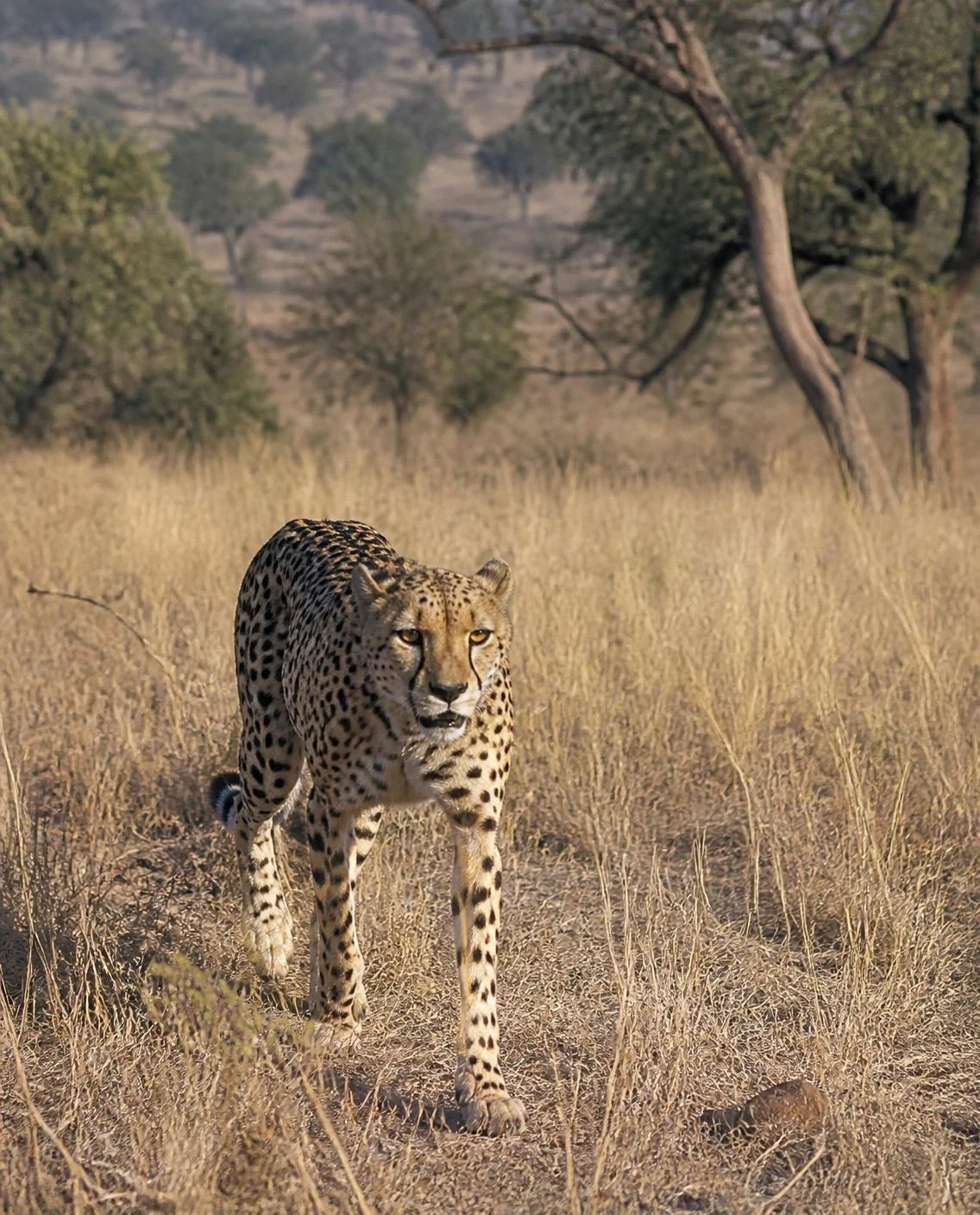
Cheetahs Vyom and Neera moved to Veerangana Durgavati Tiger Reserve, third cheetah site in Madhya Pradesh
Why in news
On 7 October 2026, Madhya Pradesh Chief Minister Mohan Yadav released two cheetahs, Vyom (male) and Neera (female), shifted from Kuno National Park, into soft-release enclosures (bomas) at Veerangana Durgavati Tiger Reserve (VDTR) in Sagar district. VDTR becomes the third cheetah site in Madhya Pradesh after Kuno National Park and Gandhi Sagar Wildlife Sanctuary.
Background
Project Cheetah began in September 2022 with eight cheetahs from Namibia, followed by 12 from South Africa in February 2023. VDTR, also known as Nauradehi, covers about 2,339 sq km across Sagar, Damoh and Narsinghpur districts and became a tiger reserve on 20 September 2023 after merger with the Nauradehi Wildlife Sanctuary; it is Madhya Pradesh’s largest tiger reserve. About 439 hectares have been prepared as a monitored release landscape with bomas, where the animals acclimatise before any wider release. The Chief Minister announced plans to bring two more cheetahs to VDTR next month.
Key facts for Prelims
- Veerangana Durgavati Tiger Reserve (Nauradehi): about 2,339 sq km in Sagar, Damoh and Narsinghpur districts, Madhya Pradesh; tiger reserve status on 20 September 2023.
- Cheetah sites in MP: Kuno National Park (Sheopur), Gandhi Sagar Wildlife Sanctuary (Mandsaur), and now VDTR.
- Released on 7 October 2026: Vyom (male) and Neera (female), shifted from Kuno National Park.
- Project Cheetah: eight cheetahs from Namibia (September 2022) and 12 from South Africa (February 2023).
- Soft release: animals are first kept in monitored enclosures (bomas) to acclimatise before release into the wider habitat.
Mains analysis and way forward
Mains analysis
- Metapopulation approach: spreading cheetahs across several sites reduces the risk of a single disease outbreak or local failure affecting the whole population.
- Habitat suitability: VDTR already supports tigers and leopards; co-existence among large carnivores and prey availability will need close monitoring.
- Community stake: the state links conservation to local benefits such as tourism revenue sharing and homestay support in buffer zones, which can build local support.
- Scientific scrutiny: survival rates, adaptation of Africa-origin animals, and reliance on enclosures remain subjects of expert debate.
- Grassland ecology: cheetah reintroduction draws attention to the conservation of open forests and grasslands, often classed as wastelands.
Way forward
- Publish regular, transparent monitoring data on survival, breeding and movement to support adaptive management.
- Secure corridors and prey bases across the Kuno-Gandhi Sagar-VDTR landscape before expanding numbers.
- Deepen community participation and conflict-response mechanisms around new sites.
Connect the dots: Links to GS III conservation, protected area network, species reintroduction and grassland ecosystems; Wild Life (Protection) Act, 1972 and NTCA.
Sources: ANI: 2 cheetahs Vyom, Neera get new home at Veerangana Durgavati Tiger Reserve, 7 Oct 2026; ThePrint (PTI): MP cheetahs get 3rd habitat, 7 Oct 2026; Business Standard: From Kuno to Durgavati, cheetahs find their third home in Madhya Pradesh, 7 Oct 2026
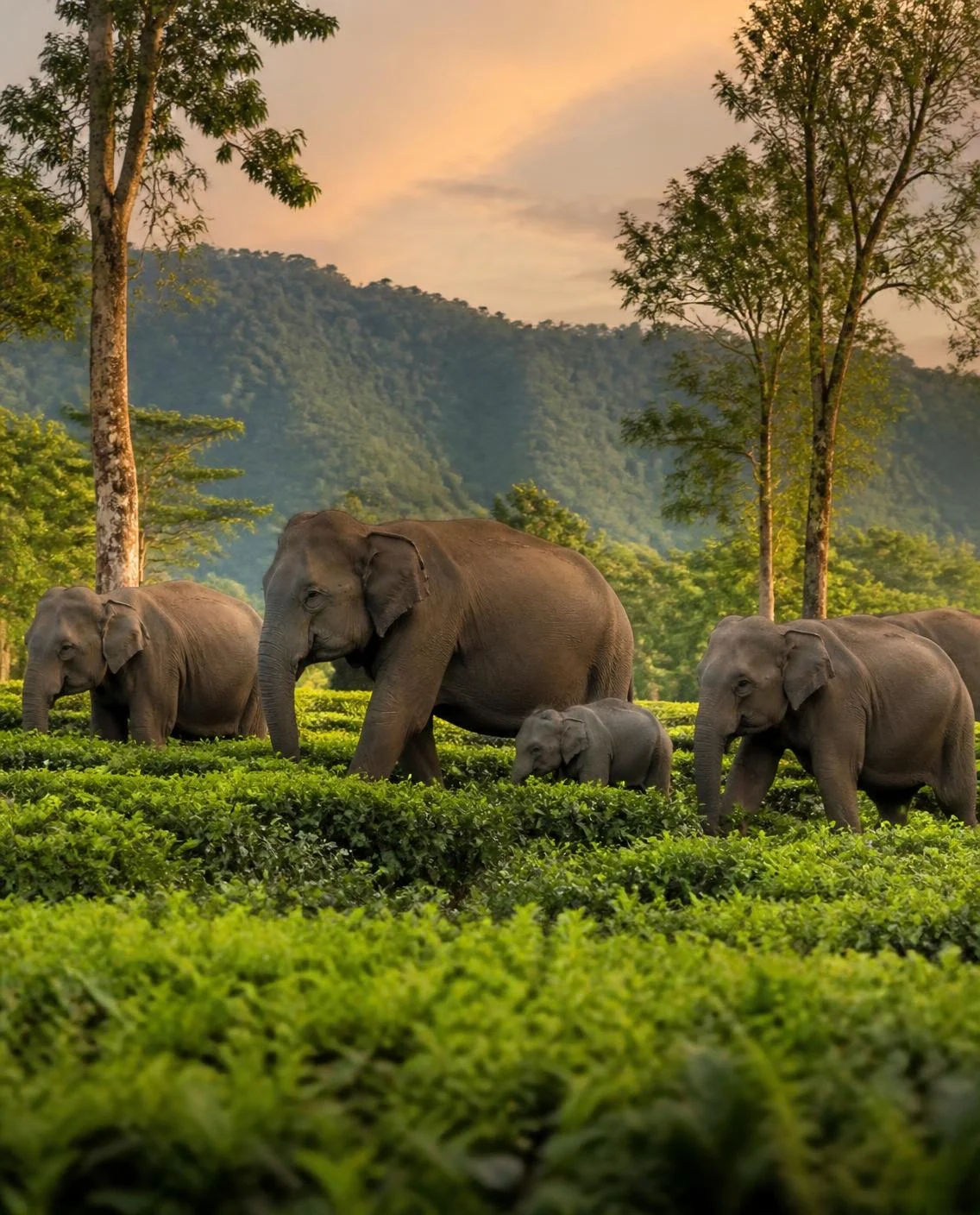
Assam GPS-collar study maps elephant movement through tea gardens, farms and river corridors
Why in news
During the 72nd Wildlife Week in Guwahati (report released on 6 October 2026), Assam Environment and Forest Minister Jayanta Mallabaruah released “Tracking the Giants”, a GPS telemetry study by the Assam Forest Department and WWF-India. Covering 2021 to 2026, it tracked four female-led herds and one solitary male in Udalguri, Sonitpur and Biswanath districts through more than 38,000 GPS locations.
Background
Assam has 4,159 elephants as per the DNA-based Synchronous All India Elephant Estimation (SAIEE) 2021-25, which put India’s total at 22,446. The study cites human-elephant conflict figures for Assam from 2000 to 2023: 1,468 human deaths and 337 injuries, and 626 elephant deaths from human-induced causes such as electrocution, poisoning and railway collisions. It finds that Sonai Rupai, Behali and Bornadi sanctuaries remain core habitats, while tea plantations act as major secondary habitats and movement routes. Some annual home ranges exceeded 500 sq km, and the movements of some herds extended across the border into Bhutan.
Key facts for Prelims
- Report: “Tracking the Giants” (Assam Forest Department and WWF-India), released during Wildlife Week, October 2026; study period 2021-2026.
- Collared: four female-led herds and one solitary male; districts Udalguri, Sonitpur and Biswanath; over 38,000 GPS fixes.
- Assam HEC (2000-2023): 1,468 human deaths, 337 injuries; 626 elephant deaths from human-induced causes.
- SAIEE 2021-25: India 22,446 elephants; Assam 4,159.
- Wildlife Week is observed in India from 2 to 8 October.
- Study sample: four female-led herds and one solitary male; findings describe these groups, not every elephant movement in Assam.
Mains analysis and way forward
Mains analysis
- Evidence for land-use planning: telemetry reveals seasonal routes through tea estates, paddy fields and riverbeds, enabling targeted mitigation instead of blanket measures.
- Conflict drivers: expansion of home ranges during the paddy season links conflict to cropping patterns and habitat fragmentation.
- Linear infrastructure: routes crossing roads and railway lines call for mitigation structures and speed regulation on vulnerable stretches.
- Transboundary conservation: movement into Bhutan shows the need for India-Bhutan coordination on corridors and water availability.
- Coexistence approach: recommendations such as better lighting near estate settlements, well-designed energised fencing and crowd control respect both human safety and animal welfare.
Way forward
- Use movement data to notify and protect corridors, and to build early-warning systems for villages and tea estates.
- Engage tea estates and farmers as partners through compensation, crop insurance and community response teams.
- Institutionalise India-Bhutan cooperation on transboundary elephant landscapes.
Connect the dots: Links to GS III conservation, human-wildlife conflict, Project Elephant and elephant corridors; GS II India-Bhutan relations.
Sources: Northeast Now: GPS collars show Assam’s elephants are moving through tea gardens, farms and riverbeds, 6 Oct 2026; EastMojo: GPS study tracks elephant movement across Assam, highlights key habitats, 6 Oct 2026; EastMojo: Northeast home to India’s second-largest elephant population, 14 Oct 2025
Science, technology and security
DRDO flight-tests an indigenous High-Altitude Platform to 21 km in the stratosphere
Why in news
DRDO’s Aerial Delivery Research and Development Establishment (ADRDE), Agra, flight-tested an indigenous lighter-than-air High-Altitude Platform that reached 21 km above mean sea level and stayed at 20 km for over 30 minutes, as reported on 6 October 2026. In a separate trial, the Advanced High-Altitude Parachute made its maiden live jump at Nyoma, Ladakh, from 16,000 feet.
Background
High-altitude platforms are long-endurance airships or balloons that operate in the stratosphere, above weather and commercial air traffic, and can act as persistent surveillance or communication nodes at lower cost than satellites. In the trial, the platform carried an inertial measurement unit, GPS receiver, onboard cameras and an altitude control mechanism; real-time video and data were received at the ground station and the platform was recovered. The trial involved DRDO, the Indian Air Force, CEMILAC, DGCA and the Airports Authority of India.
Key facts for Prelims
- High-Altitude Platform: lighter-than-air, long-endurance surveillance platform; peak 21 km AMSL, held at 20 km for 30+ minutes.
- Developer: ADRDE, Agra (DRDO).
- Stratosphere: roughly 10 to 50 km above the Earth; the ozone layer lies within it.
- Advanced High-Altitude Parachute: maiden live jump from 16,000 ft at Mudh drop zone, Nyoma, Ladakh; made by Ordnance Parachute Factory, Kanpur.
Mains analysis and way forward
Mains analysis
- Persistent surveillance: stratospheric platforms can watch borders and coasts for long periods between drones and satellites.
- Cost and flexibility: they can be launched and recovered, and payloads changed, more easily than satellites.
- Dual use: such platforms can support disaster communication and remote connectivity.
- Challenges: winds, endurance, power supply and airspace coordination need further work.
- Self-reliance: indigenous development strengthens strategic autonomy in surveillance technologies.
Way forward
- Move from technology demonstration to longer-endurance trials with operational payloads.
- Develop civil applications such as disaster communication with civil aviation regulators.
Connect the dots: Layers of the atmosphere (GS I geography); indigenisation in defence (Positive Indigenisation Lists); ISR capabilities.
Sources: The Week: Two tests, two high-altitude milestones, 6 Oct 2026
Art, culture and science
Canadian poet and classicist Anne Carson wins the 2026 Nobel Prize in Literature
Why in news
On 8 October 2026, the Swedish Academy in Stockholm awarded the Nobel Prize in Literature 2026 to Canadian writer Anne Carson, 76, “for her bold and inventive oeuvre that, in playful dialogue with the classical tradition, has created new forms for contemporary literature”. The prize carries 12 million Swedish kronor and was announced by the Academy’s Permanent Secretary, Ingrid Carlberg.
Background
Born in Toronto in 1950, Carson is a poet, essayist and translator of classical Greek literature whose work moves freely between verse, essay and drama. Her best-known books include Eros the Bittersweet (1986), Autobiography of Red: A Novel in Verse (1998), Nox (2010) and Float (2016), and she has translated Sappho (If Not, Winter, 2002), Sophocles and Euripides. She succeeds Hungary’s Laszlo Krasznahorkai, the 2025 laureate, and joins Canadian-born Saul Bellow (1976) and Alice Munro (2013) among literature laureates linked to Canada. The 2026 science prizes announced earlier in the week went to optogenetics (Physiology or Medicine, 5 October) and high-energy astrophysical neutrinos (Physics, 6 October).
Key facts for Prelims
- Nobel Prize in Literature is awarded by the Swedish Academy, Stockholm; 2026 laureate: Anne Carson (Canada), announced 8 October 2026.
- 2026 prize amount: 12 million Swedish kronor per category (shared if more than one laureate).
- Physics 2026 (6 October): Francis Halzen (Belgian-born, University of Wisconsin-Madison) “for decisive contributions to the IceCube Neutrino Observatory and the discovery of high-energy neutrinos of astrophysical origin”; IceCube is located at the South Pole.
- Physiology or Medicine 2026 (5 October): Karl Deisseroth (Stanford), Peter Hegemann (Humboldt University, Berlin) and Georg Nagel (University of Wurzburg) “for their discoveries concerning light-gated ion channels and optogenetics”.
- Channelrhodopsin: a light-sensitive protein discovered in the single-celled alga Chlamydomonas; blue light opens an ion channel, generating an electrical signal in nerve cells.
- Physics prize is awarded by the Royal Swedish Academy of Sciences; Medicine prize by the Nobel Assembly at the Karolinska Institute.
Mains analysis and way forward
Mains analysis
- Literature as cultural bridge: Carson’s reworking of Greek classics shows how ancient texts can speak to modern questions of love, grief and identity, a useful lens for GS I discussions on the role of classical traditions in contemporary culture.
- Genre-crossing work (verse novels, fragments, essays) reflects a broader global trend of hybrid literary forms, relevant to debates on how literature evolves with readers and media.
- Translation as public good: much of Carson’s acclaim comes from translating Sappho, Sophocles and Euripides, underlining the value of translation for India’s own multilingual literary heritage.
- Science prizes signal priorities: optogenetics has transformed neuroscience research tools, while IceCube opened neutrino astronomy, both products of long-horizon basic research and international collaboration.
- For India, the week’s prizes reinforce the case for sustained funding of fundamental research and large collaborative facilities.
Way forward
- Encourage translation of classical and regional Indian literature to widen global readership.
- Strengthen long-term basic research funding and India’s participation in international scientific facilities.
- Use laureate stories in education to show how curiosity-driven work matures over decades.
Connect the dots: Links to GS I (world literature, culture) and GS III (science and technology: neuroscience tools, astro-particle physics).
Sources: Reuters via KFGO: Anne Carson wins 2026 Nobel Prize in Literature, 8 Oct 2026; Al Jazeera: Canadian Anne Carson wins 2026 Nobel Prize in Literature, 8 Oct 2026; AP via Irish Examiner: Physics Nobel Prize awarded to Francis Halzen, 6 Oct 2026; Business Today: Nobel Prize in Medicine 2026, 5 Oct 2026
In brief
- Mountain Guardian 2026: The India-UAE army exercise Mountain Guardian 2026 is under way at the Foreign Training Node, Chaubatia, Uttarakhand, from 5 to 18 October, with 92 personnel in equal numbers from both armies.
- Fleet Support Ship Surya: On 6 October 2026, Hindustan Shipyard Limited, Visakhapatnam, launched FSS-1 Surya, the first of five Fleet Support Ships for the Indian Navy, in the presence of Defence Minister Rajnath Singh; the ships will provide replenishment at sea.
- Next Chief of the Air Staff: The Government has appointed Air Marshal Ashutosh Dixit, currently Vice Chief of the Air Staff, as the next Chief of the Air Staff with effect from the afternoon of 31 October 2026, succeeding Air Chief Marshal A.P. Singh.
- BrahMos contract: On 6 October 2026, the Ministry of Defence signed a Rs 661.50 crore contract with BrahMos Aerospace for fire control systems and launchers for Indian Navy warships, under the Buy (Indian-IDDM) category.
- WHO roadmap: On 7 October 2026, WHO published a global roadmap on hypertensive disorders of pregnancy for 2026 to 2035.
- WHO and TB: On 8 October 2026, WHO published a monitoring and evaluation framework for social protection inclusive of people with tuberculosis.
- Vulture count, Madhya Pradesh: Madhya Pradesh released its Vulture Population Estimation 2026 at Veerangana Durgavati Tiger Reserve on 7 October; Business Standard reported a 123% rise in the state count.
Prelims practice: 5 questions
Choose an option to see the answer and explanation. Your score appears when all five are answered.
Mains practice
Wildlife conservation in India increasingly requires managing landscapes beyond the boundaries of protected areas. Examine this statement with reference to habitat connectivity, human-wildlife interactions and recent conservation initiatives.
Show the answer outline
Introduction (about 30 words)
- Protected areas remain essential, but wildlife movement, ecological processes and human livelihoods extend across administrative boundaries, calling for landscape-based planning.
Why landscapes matter
- Species need corridors for dispersal, resources and genetic exchange.
- Roads, settlements and farm expansion fragment habitats.
- Connectivity must be planned alongside protection of core habitats.
Lessons from recent developments
- Assam GPS study: telemetry shows seasonal routes through tea estates and farmland, and where conflict is likely.
- Cheetah relocation: soft release, prey base, habitat suitability and long-term monitoring decide outcomes.
- Wildlife-friendly highways: underpasses, overpasses and fencing reduce risks, but need evaluation.
Challenges
- Human-wildlife conflict affecting lives, crops and property.
- Fragmented habitats and disrupted corridors.
- Coordination gaps among forest, transport and local administrations.
- Balancing conservation with livelihoods.
Way forward
- Identify and protect critical corridors.
- Use telemetry, camera traps and impact assessments.
- Build crossings into infrastructure design.
- Strengthen community participation, timely compensation and livelihood support.
Conclusion (about 30 words)
- Connected habitats, sound evidence and cooperation with communities can make conservation part of regional development rather than a separate concern.
Tip: Use one or two examples from this week’s editions as evidence, and show how they connect to the larger idea of landscape-level conservation.
Current Canvas is prepared by the UPSC Gurus editorial desk. Every fact is checked against official releases and reliable reporting, with sources listed under each story. Editions are compiled each month into The Canvas magazine.
About images: photographs and illustrations in Current Canvas are AI-generated for illustration only. They are not news photographs of the events described.