

Current Canvas
Every day’s news, placed on the full canvas of the UPSC syllabus. The day’s most important stories, carefully chosen, with background, Prelims facts, Mains analysis and links to static topics, followed by a five-question quiz and a Mains question. Free for every aspirant.
Read the Canvas
The latest edition is always open below. Choose a date to read an earlier edition on this same page.
Images in Current Canvas are AI-generated illustrations, not news photographs.
-
Today’s Canvas
Today’s news asks us to look beyond announcements and consider their consequences. From interest rates and trade rules to wildlife crossings, wind energy and air security, the stories share one question: how can India pursue progress fairly and responsibly? Current Canvas connects verified developments with the UPSC syllabus, with context, contrasting perspectives and practice questions. Read with curiosity, examine the evidence, and leave room for complexity in every public decision.
- RBI raises the repo rate to 5.5% and shifts to “calibrated tightening”GS III
- GST Council recommends removing arrest provisions and raising the prosecution threshold to Rs 5 croreGS II and III
- Supreme Court asks the Centre to set up a committee on unethical pharmaceutical marketingGS II and IV
- India joins 14 economies in a joint statement on structural excess capacityGS II and III
- WTO nearly doubles its 2026 goods-trade forecast as AI demand offsets West Asia disruptionGS III
- At Pre-COP31 in Fiji, India calls for flexibility, pragmatism and mutual respectGS II and III
- World Development Report 2026 on “The Promise of Artificial Intelligence” launched in IndiaGS II and III
- PM opens the 10th India Mobile Congress; India targets 10% of global 6G patentsGS III
- JOSH Teams launched to make TB elimination a youth-led people’s movementGS II
- Over 60,000 schools join a nationwide inclusive-education module through PRASHASTGS II
- NHAI documents Rs 19,700 crore spent on wildlife crossings along national highwaysGS III
- India’s wind capacity crosses 59 GW as Windergy India 2026 opens in ChennaiGS III
- Coast Guard conducts SAREX-2026 off Paradip with observers from 30 countriesGS III
- 94th Air Force Day: “Infallible, Impervious and Precise”GS III
- Nobel Prize in Chemistry 2026 honours work on molecular “handedness”GS III
60-SECOND CANVAS- RBI raised the repo rate to 5.5%, its first hike since February 2023, to keep inflation expectations anchored.
- The GST Council recommended removing arrest provisions and raising the prosecution threshold to Rs 5 crore.
- The Supreme Court asked the Centre to form a committee on unethical pharmaceutical marketing within two weeks.
- At Pre-COP31 in Fiji, India sought finance, technology and respect for nationally determined pathways.
- The WTO raised its 2026 goods-trade forecast to 3.9% on AI demand; India joined a 15-economy statement on excess capacity.
NUMBERS OF THE DAY5.5%Repo rateRs 5 crGST prosecution threshold3.9%WTO goods-trade forecast, 202659.2 GWWind capacityRs 19,700 crWildlife mitigation on highways60,000+Schools in PRASHAST screening55Districts in JOSH phase 132 / 30SAREX observers / countriesShow stories forEconomy and governance
STORY 01RBI raises the repo rate to 5.5% and shifts to “calibrated tightening”
Why in news
On 7 October 2026, the Monetary Policy Committee (MPC) of the Reserve Bank of India unanimously raised the policy repo rate by 25 basis points, from 5.25% to 5.5%. It is the first increase since February 2023, and the MPC voted 4 to 2 to change its stance from neutral to “calibrated tightening”.
The policy rate corridor after 7 October 2026Marginal Standing Facility and Bank Rate5.75%Repo rate5.50%up 25 bpsStanding Deposit Facility5.25%2025125 bps of cuts4 meetingsheld at 5.25%7 Oct 2026first hike since Feb 20237.1%FY27 GDP projection5.2%FY27 CPI projection4 : 2vote on stance changeBackground
The repo rate had been held at 5.25% for four consecutive meetings after 125 basis points of cuts through 2025. Headline CPI inflation rose to 4.8% in August 2026 from 4.5% in July, and the share of CPI items with inflation above 4% widened to about 37% of the basket. The RBI cited elevated oil prices, tighter global financial conditions, a deficient southwest monsoon and El Nino-related risks to food prices. Governor Sanjay Malhotra said inflation and its outlook were “not benign as they were last year”.
Key facts for Prelims
- Repo rate 5.5%; Standing Deposit Facility 5.25%; Marginal Standing Facility and Bank Rate 5.75%.
- FY 2026-27 projections: real GDP growth 7.1%; CPI inflation 5.2%.
- MPC: six members (three from the RBI, three external), chaired by the RBI Governor, who has a casting vote. Statutory basis: RBI Act, 1934 (amended in 2016).
- Flexible inflation targeting: 4% CPI with a band of plus or minus 2 percentage points.
- Also announced: interoperability of non-bank Account Aggregators, expected by 31 December 2026.
Mains analysis and way forward
Mains analysis
- Anchoring expectations: an early, measured move can stop supply shocks from spreading into wages and prices.
- Growth trade-off: costlier credit may cool bank credit growth, currently above 18%, though the Governor expects little effect on expansion.
- Limits of monetary policy: rates cannot produce more onions or rainfall; supply-side action on food, logistics and energy matters equally.
- Households and MSMEs: floating-rate borrowers and small firms feel transmission first; depositors may gain.
- External sector: a firmer rate stance can support the rupee amid a strong dollar and higher advanced-economy yields.
Way forward
- Pair monetary action with supply-side steps on food stocks, imports and storage.
- Keep communication clear and data-dependent so markets are not surprised.
- Use targeted fiscal support for vulnerable households rather than broad subsidies that add to demand.
Connect the dots: Inflation targeting (Urjit Patel Committee, 2014); repo vs reverse repo vs SDF; transmission of monetary policy.
Sources: Business Standard: RBI policy highlights, 7 Oct 2026; All India Radio: Governor on growth impact, 7 Oct 2026
STORY 02GST Council recommends removing arrest provisions and raising the prosecution threshold to Rs 5 crore
Why in news
The 57th meeting of the GST Council, chaired by Finance Minister Nirmala Sitharaman in New Delhi on 8 October 2026, focused on process reforms rather than rates. Its recommendations, released by the Ministry of Finance the same evening, include removal of arrest provisions under GST and a higher threshold for prosecution.
57th GST Council: what changes, if enactedNowRecommendedArrest provisionsIn the lawRemovalProsecution thresholdRs 1 croreRs 5 croreGeneral penaltyRs 25,000Rs 10,000GST ratesUnchangedNo changeRecommendations take effect only after amendments to the CGST and SGST Acts and Rules.Background
The 56th meeting in 2025 had concentrated on rate rationalisation. This meeting turned to registration, returns, refunds, adjudication and trade facilitation. Business bodies had long argued that coercive powers were sometimes used disproportionately, while states value strong enforcement against fake invoicing. Council recommendations take legal effect only after the Centre and states amend the CGST and SGST Acts and Rules and issue notifications.
Key facts for Prelims
- GST Council: Article 279A (inserted by the 101st Constitutional Amendment Act, 2016); chaired by the Union Finance Minister.
- Voting: the Centre has one-third of the weighted votes and states together two-thirds; decisions need a three-fourths majority of weighted votes of members present and voting.
- Recommended: prosecution threshold raised from Rs 1 crore to Rs 5 crore; general penalty cut from Rs 25,000 to Rs 10,000.
- Automatic acceptance of most registration amendments; faster refunds; common standards for notices and proceedings; intelligence-based, authorised interception of goods in transit.
- Approved in principle: an optional simplified scheme for small consumer-facing businesses with turnover up to Rs 5 crore. No rate changes were made.
Mains analysis and way forward
Mains analysis
- Decriminalisation and trust: shifting from arrest to civil penalties aligns GST with the wider decriminalisation of economic offences.
- Revenue protection: states may worry about deterrence against organised invoice fraud; data analytics must fill the gap.
- Ease of doing business: automatic registration amendments and quicker refunds improve working capital for small firms.
- Cooperative federalism: process reform shows the Council working as a forum for consensus, not only rate-setting.
- Rule of law: common standards for notices and hearings strengthen due process and reduce litigation.
Way forward
- Amend statutes and rules promptly so that the reform is legally effective and uniform across states.
- Strengthen invoice matching and risk-based audits to deter fraud without coercion.
- Track refund timelines and litigation volumes publicly to measure results.
Connect the dots: Article 279A; 101st Amendment; Jan Vishwas (Amendment of Provisions) approach to decriminalisation.
Sources: PIB, Ministry of Finance: Recommendations of the 57th Meeting of the GST Council, 8 Oct 2026
 STORY 03
Supreme Court asks the Centre to set up a committee on unethical pharmaceutical marketing
Why in news
On 8 October 2026, a Bench of Justices Vikram Nath and Sandeep Mehta directed the Union government to constitute a committee within two weeks to examine the regulation of unethical marketing practices by pharmaceutical companies towards healthcare professionals. The committee is to submit recommendations within two months of its first meeting.
Background
The petition, filed by the Federation of Medical and Sales Representatives Associations of India and others, questioned whether the existing marketing code is effective, since gifts, sponsored travel and hospitality can influence prescriptions. The Department of Pharmaceuticals notified the Uniform Code for Pharmaceutical Marketing Practices (UCPMP) in 2024, replacing a 2015 version, but petitioners argued that it lacks statutory force. The Centre had proposed a three-member committee.
Key facts for Prelims
- Court invoked Articles 32 and 142, and the right to health under Article 21.
- UCPMP 2024 is issued by the Department of Pharmaceuticals, Ministry of Chemicals and Fertilizers.
- Committee to examine the legal framework, monitoring and enforcement, transparency and accountability; it may consult experts and must hear petitioners and intervenors.
- The Centre must take a reasoned decision on the recommendations and file a compliance affidavit; the matter is listed on 29 January.
Mains analysis and way forward
Mains analysis
- Conflict of interest: inducements can compromise clinical judgement and patient trust.
- Out-of-pocket costs: irrational or brand-driven prescriptions raise household health spending.
- Public health: unnecessary antibiotics feed antimicrobial resistance.
- Separation of powers: the Court said it cannot substitute its own policy choices, but restraint is not indifference where health is at stake.
- Balance: a framework must protect patients while allowing legitimate scientific engagement by industry.
Way forward
- Give the marketing code statutory backing with clear penalties.
- Mandate public disclosure of payments and benefits to healthcare professionals.
- Build an independent complaints and audit mechanism, with ethics education for prescribers.
Connect the dots: Right to health under Article 21; GS IV themes of integrity, conflict of interest and fiduciary duty.
Sources: ThePrint (PTI): Set up panel to examine unethical pharma marketing practices, 8 Oct 2026; Business Standard: SC asks Centre to frame statutory rules for pharma marketing, 8 Oct 2026
International relations and trade
 STORY 04
India joins 14 economies in a joint statement on structural excess capacity
Why in news
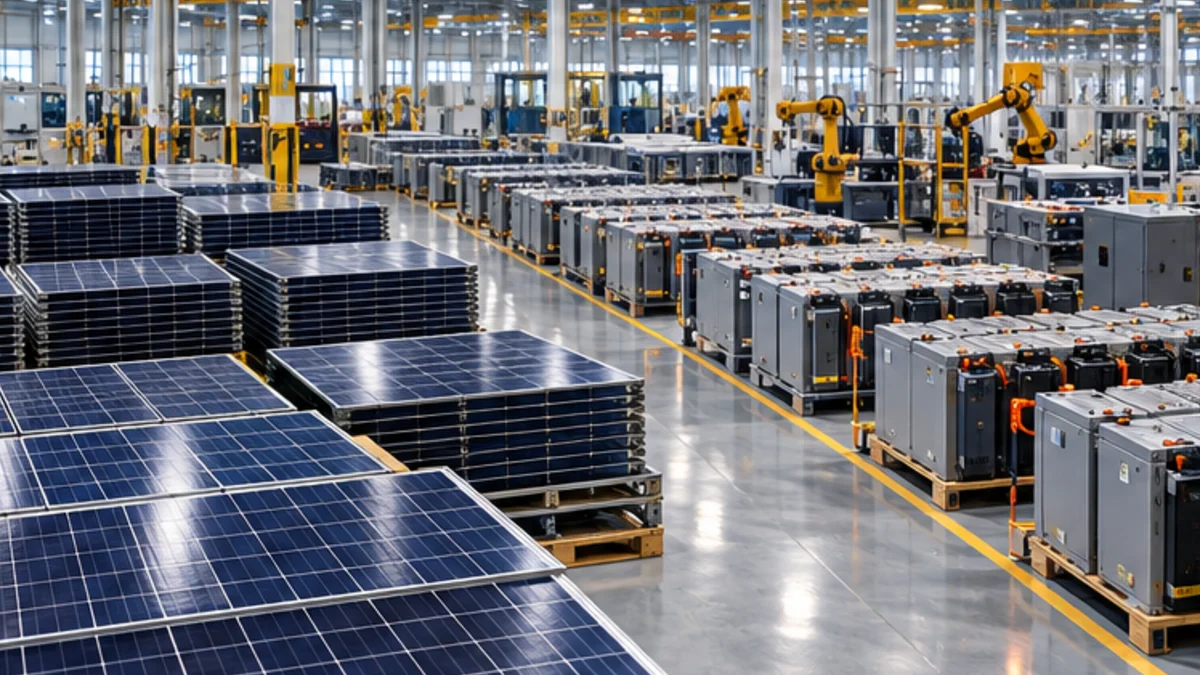
On 7 October 2026, the Office of the United States Trade Representative released a joint ministerial statement in which India and 13 other economies joined the United States in calling on all countries to eliminate structural excess capacity and production, including by ending non-market policies. It follows the G20 Trade Ministers’ Meeting held in Milwaukee on 30 September and 1 October 2026 under the US G20 Presidency.
The excess capacity statement15signatory economies, including India5sectors named: autos and EVs, batteries, chemicals, chips, solarDec 2026technical meetings to beginOECDwork begun on margins of its Trade CommitteeBackground
Structural excess capacity arises when production capacity persistently exceeds market demand, often sustained by subsidies and other state support. Surplus output can then be exported at low prices, displacing producers elsewhere. The G20 tackled a similar problem in steel in 2016 through the Global Forum on Steel Excess Capacity. At the G20 meeting, India called for a WTO-compliant approach to correcting global trade distortions.
Key facts for Prelims
- Signatories (15): Argentina, Australia, Canada, the European Union, France, Germany, India, Italy, Japan, the Republic of Korea, Mexico, Poland, Turkiye, the United Kingdom and the United States.
- Sectors named: autos and electric vehicles, batteries, chemicals, foundational semiconductors and solar panels.
- Mechanism: dedicated sectoral platforms; technical meetings before December 2026; work begun on the margins of the OECD Trade Committee.
- G20 Presidency 2026: United States. India is not a member of the OECD.
Mains analysis and way forward
Mains analysis
- Protecting domestic industry: cheap surplus imports in solar modules, batteries and chemicals can undercut India’s manufacturing push.
- Strategic alignment: joining like-minded economies strengthens India’s case for diversified, trusted supply chains.
- Rules-based trade: India’s insistence on WTO-consistent remedies guards against unilateral tariffs that could also hit Indian exports.
- Balancing act: India needs affordable inputs for its energy transition while building its own capacity.
- Data and transparency: shared, non-confidential data can make the debate evidence-based.
Way forward
- Use WTO-consistent trade remedies (anti-dumping and countervailing duties) where injury is proven.
- Scale domestic manufacturing in clean-energy and electronics value chains.
- Engage in the sectoral platforms while protecting India’s policy space for development.
Connect the dots: WTO trade remedies; PLI schemes; India’s solar manufacturing and the National Manufacturing Mission.
Sources: The Tribune (ANI): India joins US, 13 economies in joint statement on excess capacity, 8 Oct 2026; All India Radio: India calls for WTO-compliant approach at G20 Trade Ministers’ Meeting, 3 Oct 2026
STORY 05WTO nearly doubles its 2026 goods-trade forecast as AI demand offsets West Asia disruption
Why in news
On 8 October 2026, the World Trade Organization raised its forecast for growth in world merchandise trade volume in 2026 to 3.9%, from 1.9% in its March baseline. Strong demand for semiconductors and AI-related goods outweighed the drag from the conflict in West Asia, Reuters reported from Geneva.
WTO trade growth forecasts: March baseline vs October 2026AI-enabling goods made up 47% of goods trade growth (by value) in the first half of 2026.Background
The WTO publishes its Global Trade Outlook twice a year. Investment in data centres has driven a surge in trade in chips, servers and related equipment. At the same time, higher aviation fuel costs linked to the West Asia conflict have hurt transport and travel services. The WTO expects the Middle East economy to contract by 4% in 2026.
Key facts for Prelims
- 2026 merchandise trade growth: 3.9% (from 1.9%); 2027: 4.1% (from 2.6%).
- Commercial services trade growth for 2026 cut to 3.3% (from 4.8%), rebounding to 6.4% in 2027.
- AI-enabling goods made up 47% of merchandise trade growth (by value) in the first half of 2026; trade in semiconductors and AI data-centre products rose 67% year on year.
- WTO: established 1 January 1995 by the Marrakesh Agreement; headquarters Geneva; Director-General Ngozi Okonjo-Iweala.
Mains analysis and way forward
Mains analysis
- Concentrated growth: gains are clustered in a few technology products and economies, so the headline number hides uneven trade.
- Opportunity for India: electronics manufacturing and semiconductor assembly can tap this demand if scale and supply chains are in place.
- Services risk: India is a large services exporter, so the services downgrade deserves attention.
- Energy routes: disruption in West Asia raises freight and fuel costs for India’s trade.
Way forward
- Deepen electronics and component manufacturing through PLI and the India Semiconductor Mission.
- Diversify shipping routes and energy sources.
- Back a predictable, rules-based multilateral trading system while pursuing bilateral trade agreements.
Connect the dots: WTO structure and dispute settlement; India’s trade policy; Semicon India and PLI schemes.
Sources: Reuters via Global Banking and Finance Review: WTO upgrades goods trade forecast, 8 Oct 2026; Xinhua: WTO raises 2026 merchandise trade growth forecast to 3.9%, 8 Oct 2026
STORY 06At Pre-COP31 in Fiji, India calls for flexibility, pragmatism and mutual respect
Why in news
Speaking at the plenary on “Political Landing Zones and Outcomes” at the Pre-COP31 meeting in Nadi, Fiji, Union Environment Minister Bhupender Yadav called for an ambitious and balanced outcome at COP31. The Ministry released his remarks on 8 October 2026.
Background
A Pre-COP is a preparatory ministerial meeting held a few weeks before the annual UN climate conference. COP31 will be held in Antalya, Turkiye, in November 2026, with Australia leading the negotiations and Pacific partners co-hosting the Pre-COP. India has consistently argued that higher ambition must be matched by finance, technology transfer and capacity-building for developing countries, consistent with equity and common but differentiated responsibilities.
Key facts for Prelims
- COP31: Antalya, Turkiye, November 2026; Pre-COP31: Nadi, Fiji.
- Paris Agreement (2015): Article 6 covers cooperative approaches including carbon markets; Article 9.1 obliges developed countries to provide finance to developing countries.
- India welcomed inclusion of Article 9.1 on the provisional agenda as a formal chance to match finance to needs.
- India stressed respect for “nationally determined pathways” and the 1.5 degree Celsius aspirational goal.
Mains analysis and way forward
Mains analysis
- Finance gap: ambition without predictable finance is difficult for developing economies.
- Equity: historical responsibility and development needs shape India’s negotiating stance.
- Markets as tools: Article 6 can mobilise resources, but needs robust accounting to avoid double counting.
- Multilateralism: consensus-based, inclusive processes keep vulnerable countries at the centre.
- Adaptation: Pacific island states face existential risks, linking India’s coastal and space expertise to South-South cooperation.
Way forward
- Push for a credible finance outcome under Article 9.1.
- Operationalise Article 6 with strong safeguards.
- Expand South-South cooperation on early warning, coastal resilience and solar energy.
Connect the dots: UNFCCC, Kyoto, Paris; CBDR-RC; India’s updated NDC and Panchamrit commitments.
Sources: PIB, MoEFCC: India calls for Flexibility, Pragmatism and Mutual Respect at COP31, 8 Oct 2026; DD News: No one-size-fits-all approach to climate action, 6 Oct 2026
Science, technology and society
STORY 07World Development Report 2026 on “The Promise of Artificial Intelligence” launched in India
Why in news
On 8 October 2026, Union Minister Ashwini Vaishnaw launched the World Bank Group’s World Development Report 2026: The Promise of Artificial Intelligence in New Delhi. The India launch was hosted by the IndiaAI Mission (MeitY) with the World Bank Group and included a State AI Showcase.
Background
The World Development Report is the World Bank’s flagship annual study on a development theme. The 2026 edition sets out a framework of adoption, adaptation and advancement for developing economies. It argues that AI can widen access to expertise and improve services, but that gains depend on foundations such as electricity, connectivity, compute, quality data, skills and capable institutions.
Key facts for Prelims
- Report: World Development Report 2026: The Promise of Artificial Intelligence (World Bank Group).
- Framework: adoption, adaptation and advancement.
- IndiaAI Mission has seven pillars: Compute Capacity, Innovation Centre (foundation models), Datasets Platform (AIKosh), Application Development, FutureSkills, Startup Financing, and Safe and Trusted AI.
- Examples cited at the launch: in Baramati, sugarcane yields rose 40% with 30% less water and fertiliser; AI-assisted TB detection up 35%.
Mains analysis and way forward
Mains analysis
- Leapfrogging: voice-based, multilingual tools can reach citizens who have never used a computer.
- Foundations first: without power, data and skills, AI pilots do not scale.
- Risks: bias, privacy, deepfakes and concentration of compute in a few firms.
- Labour markets: anticipatory skilling is needed as tasks change.
- Evidence: moving from isolated pilots to evaluated, scaled programmes is the key governance task.
Way forward
- Invest in public compute, open datasets and Indian-language models.
- Evaluate AI pilots independently before scaling.
- Embed safeguards: audits, explainability, grievance redress and data protection.
Connect the dots: Digital Public Infrastructure; Digital Personal Data Protection Act, 2023; IndiaAI Mission (2024).
Sources: PIB, MeitY: Launch of World Development Report 2026, 8 Oct 2026
 STORY 08
PM opens the 10th India Mobile Congress; India targets 10% of global 6G patents
Why in news
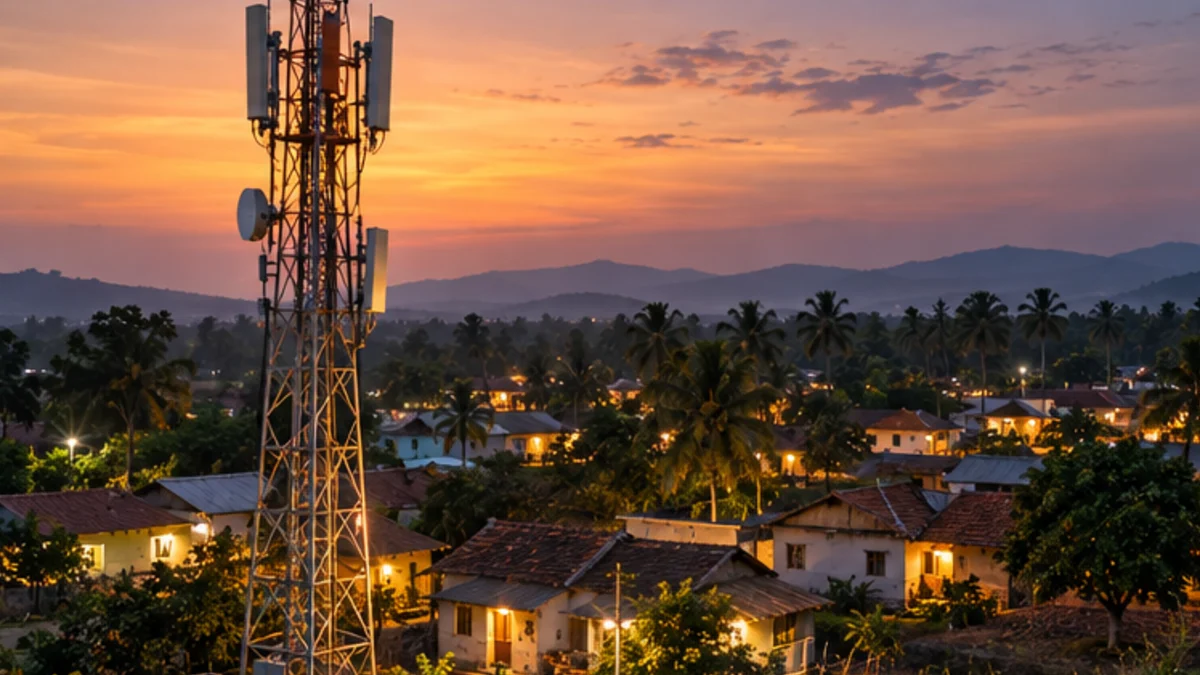
On 8 October 2026, Prime Minister Narendra Modi inaugurated the 10th edition of India Mobile Congress (IMC) at Yashobhoomi, New Delhi, under the theme “Scale Without Boundaries”. On the sidelines, the Minister of State for Communications said India aims to secure at least 10% of global 6G patents and standards.
India’s telecom in numbers (Ministry of Communications)5.5 lakh5G base stations1.35 bntelecom subscribers36 GBaverage monthly data use10%target share of global 6G patentsBackground
IMC is organised by the Department of Telecommunications and the Cellular Operators Association of India. 5G was launched from the IMC platform in October 2022. The Prime Minister said 5G now reaches every district, with about 5.5 lakh 5G base stations, and that Direct Benefit Transfers of nearly Rs 50 lakh crore have moved through digital rails. On the same day, the government clarified that its satellite communication licensing framework is fair and non-discriminatory.
Key facts for Prelims
- IMC 2026: 10th edition, Yashobhoomi (India International Convention and Expo Centre), New Delhi; theme “Scale Without Boundaries”.
- India has over 1.35 billion telecom subscribers and 1.09 billion broadband connections (Ministry of Communications).
- Telecom Technology Development Fund: about 136 R&D projects worth about Rs 500 crore.
- Most rules under the Telecommunications Act, 2023 have been notified.
- Three satellite (GMPCS) licensees are at broadly the same stage of security assessment before spectrum assignment.
Mains analysis and way forward
Mains analysis
- From consumer to creator: indigenous 4G stack and 6G research signal technology sovereignty.
- Standards power: owning standard-essential patents brings royalties and influence over global rules.
- Inclusion: affordable data has widened access to services, but quality and digital literacy gaps remain.
- Security: supply-chain security, fraud prevention and quantum-safe encryption grow in importance.
Way forward
- Fund long-horizon 6G and quantum research through industry-academia partnerships.
- Develop Indian alternatives for critical imported network technologies.
- Strengthen cyber-fraud prevention and consumer protection alongside rollout.
Connect the dots: Bharat 6G Vision (2023); Telecommunications Act, 2023; BharatNet.
Sources: PIB, Ministry of Communications: PM inaugurates 10th IMC, 8 Oct 2026; PIB: India targets 10% of global 6G patents and standards, 8 Oct 2026; PIB: Satellite communication framework is fair and non-discriminatory, 8 Oct 2026
 STORY 09
JOSH Teams launched to make TB elimination a youth-led people’s movement
Why in news
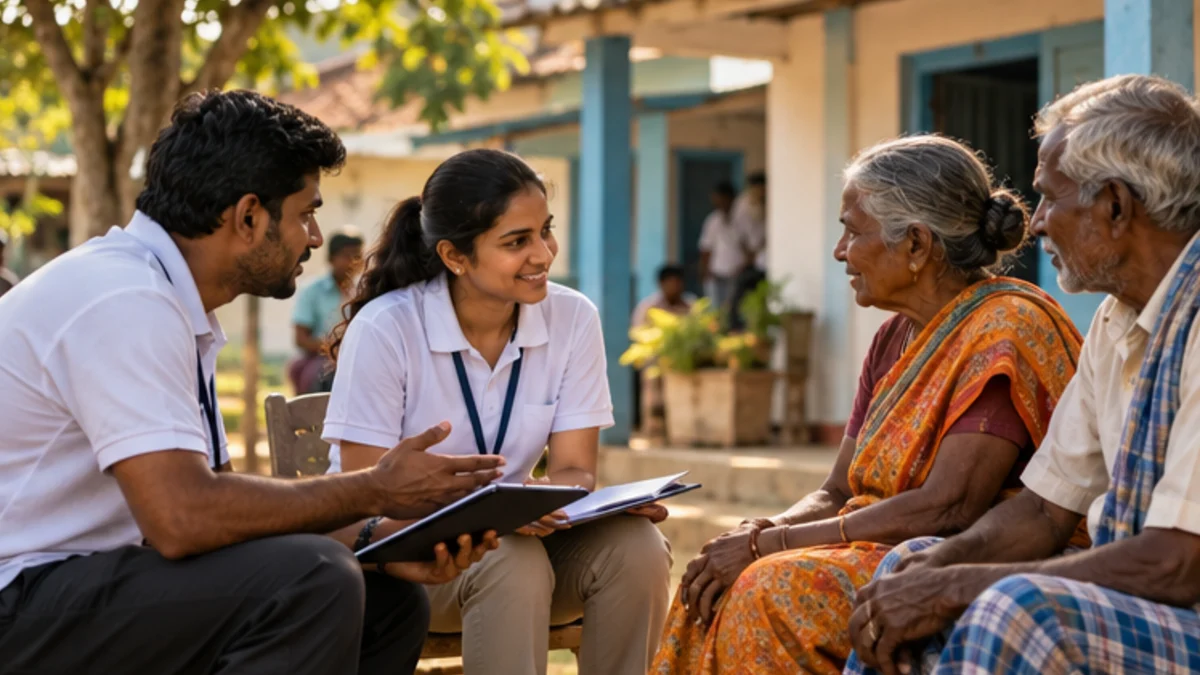
On 8 October 2026, Union Health Minister J.P. Nadda launched JOSH (Joint Squad for Health) Teams under the TB Mukt Bharat Abhiyaan at Bharat Mandapam, New Delhi. The first phase covers 55 districts in 11 states and Union Territories, with a mobile app for real-time reporting.
TB: India compared with the global picture (WHO, as cited by the Health Minister)Background
Tuberculosis is caused by Mycobacterium tuberculosis and remains a leading infectious killer. India runs the National TB Elimination Programme and aims to end TB ahead of the global SDG target of 2030. The JOSH initiative is a collaboration between the Health Ministry, the Ministry of Youth Affairs and Sports and the Ministry of Defence, focused on awareness, active case finding, treatment completion and reducing stigma.
Key facts for Prelims
- JOSH: Joint Squad for Health; first phase in 55 districts across 11 states and UTs.
- Citing the latest WHO report, the Minister said TB incidence in India has fallen 21% against 12% globally, and treatment coverage is 92% against 78% globally.
- 67,933 panchayats across 697 districts were recognised as TB Mukt in 2026.
- Related schemes: Ni-kshay Poshan Yojana (nutrition support) and Ni-kshay Mitra (community support).
Mains analysis and way forward
Mains analysis
- Jan Bhagidari: young volunteers can build trust and reach people outside formal health systems.
- Continuum of care: awareness and screening must lead to diagnosis, treatment and completion.
- Social determinants: nutrition, housing and work conditions shape TB outcomes.
- Stigma: fear of discrimination delays care-seeking; respectful outreach matters.
- Sustainability: volunteer programmes need training, supervision and links with health workers.
Way forward
- Link JOSH Teams closely with NTEP facilities and ASHA workers.
- Track testing, treatment start and completion, not just outreach numbers.
- Protect patient confidentiality in community work.
Connect the dots: SDG 3.3; National Strategic Plan for TB Elimination; Ayushman Arogya Mandirs.
 STORY 10
Over 60,000 schools join a nationwide inclusive-education module through PRASHAST
Why in news
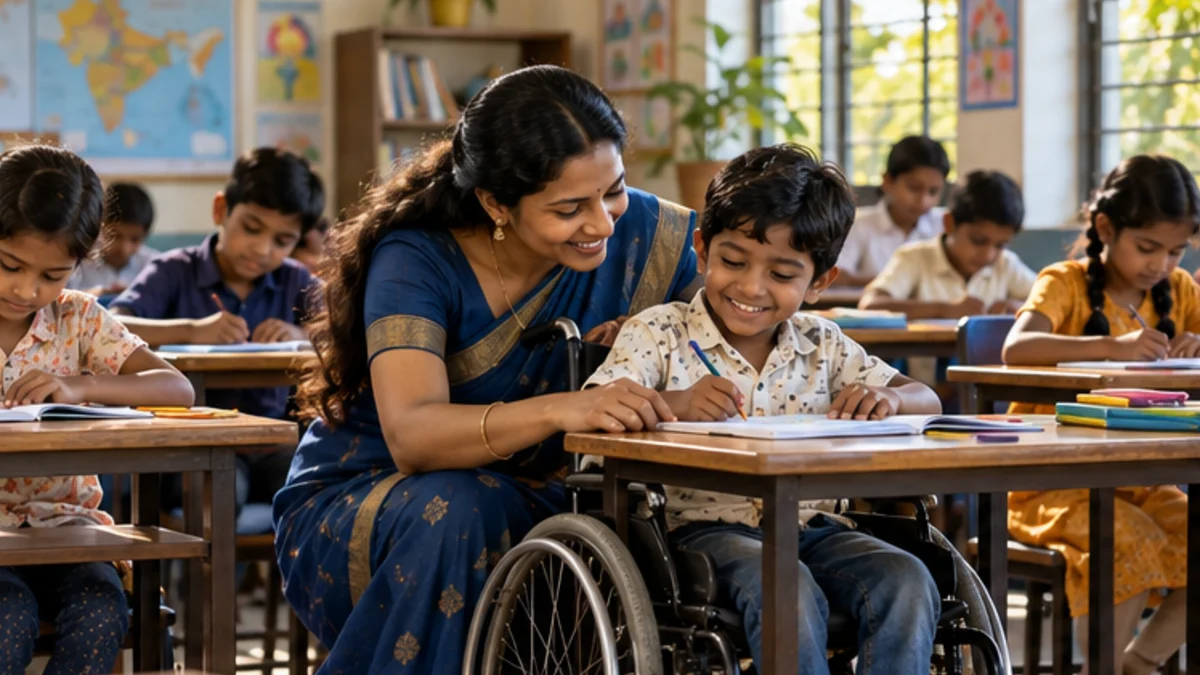
On 8 October 2026, the Department of School Education and Literacy reported a nationwide screening of a 30-minute sensitisation module on inclusive education for children with special needs through the PRASHAST portal. Over 60,000 schools took part, and more than 72 lakh teachers have been sensitised in the past three months.
Background
PRASHAST is a school-based digital tool for identifying children with probable disability conditions covered under the Rights of Persons with Disabilities Act, 2016. Teachers screen students with a two-part checklist based on observable indicators; special educators validate cases and refer them for medical assessment where needed. The new module takes a whole-school approach, including non-teaching staff such as drivers, clerks and wardens.
Key facts for Prelims
- PRASHAST: screening tool under the Department of School Education and Literacy, Ministry of Education.
- Module: 30 minutes, in 12 Indian languages.
- Legal basis: Rights of Persons with Disabilities (RPwD) Act, 2016, which recognises 21 disabilities.
- Aligned with NEP 2020 and Samagra Shiksha’s inclusive education component.
Mains analysis and way forward
Mains analysis
- Early identification enables timely support, but screening is not diagnosis.
- Whole-school inclusion: every interaction, from classroom to school bus, shapes a child’s experience.
- Teacher capacity is the key constraint in inclusive classrooms.
- Risk of labelling: careful, respectful handling of screening results is essential.
Way forward
- Expand the number of trained special educators.
- Make school infrastructure and learning materials accessible.
- Measure outcomes such as attendance and learning, not only training numbers.
Connect the dots: Article 21A; RPwD Act, 2016; NEP 2020 on equitable and inclusive education.
Environment and energy
STORY 11NHAI documents Rs 19,700 crore spent on wildlife crossings along national highways
Why in news
On 8 October 2026, the last day of National Wildlife Week (2 to 8 October), the Ministry of Road Transport and Highways highlighted NHAI’s document on “Wildlife Mitigation Measures and Structures”. It records about Rs 19,700 crore invested over five years in wildlife mitigation and environmental safeguards on national highway projects.
Where the Rs 19,700 crore for wildlife mitigation went (approx.)Figures in Rs crore, last five years. Over 2,150 structures built or proposed; guide fencing and noise barriers on 300+ km.Background
Highways that pass through forests and corridors can fragment habitats, block animal movement and cause wildlife-vehicle collisions. Mitigation structures such as animal underpasses, overpasses, viaducts and tunnels let animals cross safely, while fencing guides them towards these crossings. The document was released by Union Minister Nitin Gadkari at a Chintan Shivir in Ekta Nagar, Gujarat.
Key facts for Prelims
- More than 2,150 wildlife mitigation structures built or proposed along national highways.
- Investment: about Rs 4,600 crore in animal underpasses, Rs 650 crore in overpasses, Rs 8,300 crore in viaducts, Rs 2,800 crore in tunnels.
- Guide fencing and noise barriers on over 300 km of highways; camera trapping used for monitoring.
- National Wildlife Week is observed every year from 2 to 8 October.
- Reference framework: Wildlife Institute of India’s “Eco-friendly Measures to Mitigate Impacts of Linear Infrastructure on Wildlife” (2016).
Mains analysis and way forward
Mains analysis
- Development with conservation: corridors such as NH-44 through Pench show that roads and wildlife can coexist.
- Cost-effectiveness: mitigation adds to project cost but reduces long-term losses to wildlife, people and vehicles.
- Planning stage matters: avoiding sensitive areas is better than mitigating later.
- Evidence: camera-trap monitoring should show whether animals actually use the structures.
Way forward
- Integrate wildlife corridor maps into highway alignment from the start.
- Publish monitoring data on structure use and collisions.
- Extend similar standards to railways, canals and power lines.
Connect the dots: Wildlife (Protection) Act, 1972; environmental impact assessment; habitat fragmentation and corridors.
Sources: PIB, MoRTH: NHAI releases document on Wildlife Mitigation Measures and Structures, 8 Oct 2026
STORY 12India’s wind capacity crosses 59 GW as Windergy India 2026 opens in Chennai
Why in news
On 8 October 2026, Union Minister Pralhad Joshi inaugurated the 8th edition of Windergy India in Chennai (7 to 9 October). He said India’s installed wind capacity reached 59.20 GW as of 30 September 2026 and that the country is on track for 100 GW by 2030.
India’s wind energy: progress towards the 2030 target59.20 GW installed (30 Sept 2026)Target 100 GW by 20306.05 GWrecord addition in FY202640.8 GWstill to add by 20308thedition of Windergy IndiaBackground
Wind energy is a key part of India’s target of 500 GW of non-fossil capacity by 2030. Tamil Nadu and Gujarat lead in installed wind capacity. India added a record 6.05 GW of wind capacity in FY2026. Older, low-height turbines on the best wind sites can be replaced with modern machines through repowering, which Tamil Nadu is promoting through a state policy.
Key facts for Prelims
- Installed wind capacity: 59.20 GW (30 September 2026); target 100 GW by 2030.
- Record annual addition: 6.05 GW in FY2026.
- Windergy India 2026: about 400 exhibitors from more than 20 countries; pavilions from Denmark, Germany and Spain.
- Nodal technical body: National Institute of Wind Energy (NIWE), Chennai.
Mains analysis and way forward
Mains analysis
- Energy security: wind complements solar, as it often blows strongest during the monsoon and at night.
- Bottlenecks: land acquisition, right-of-way and transmission connectivity slow projects.
- Manufacturing: India has a strong domestic turbine supply chain that can serve exports.
- Offshore potential: Gujarat and Tamil Nadu coasts offer large offshore wind potential.
Way forward
- Speed up transmission through the Green Energy Corridors.
- Adopt hybrid wind-solar projects with storage for round-the-clock power.
- Support repowering of old wind farms to raise output on the best sites.
Connect the dots: India’s NDC and 500 GW non-fossil target; National Wind-Solar Hybrid Policy, 2018.
Sources: PIB, MNRE: Windergy India 2026 inaugurated in Chennai, 8 Oct 2026
Security
 STORY 13
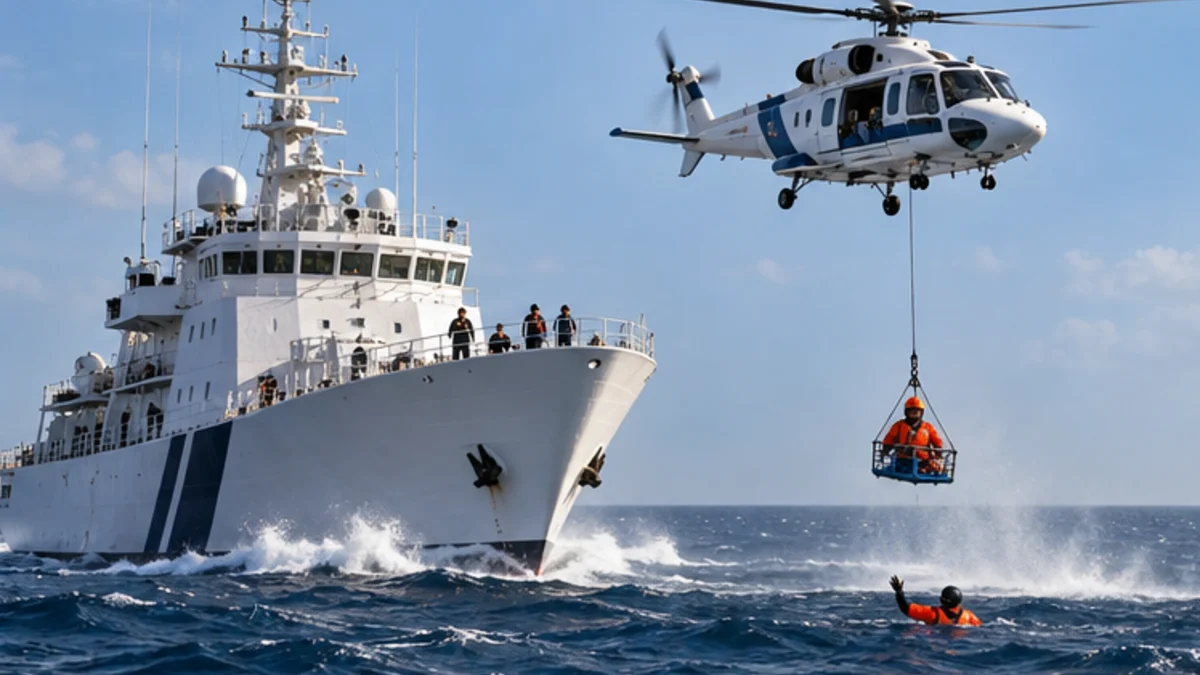
Coast Guard conducts SAREX-2026 off Paradip with observers from 30 countries
Why in news
On 8 October 2026, the Indian Coast Guard conducted the 12th National Maritime Search and Rescue Exercise (SAREX-2026) off Paradip, Odisha, under the National Maritime Search and Rescue Board. The theme was “Leveraging Technology to Strengthen SAR Preparedness and Maritime Safety”.
SAREX-2026 in numbers12thnational SAR exercise15Coast Guard ships deployed32 / 30observers / countries228persons in the simulated ditchingBackground
India is responsible for maritime search and rescue across a large area of the Indian Ocean. The exercise simulated a mass rescue operation after a passenger aircraft carrying 228 persons ditched near Paradip Port and struck a container vessel. It tested incident command, firefighting, helicopter evacuations, air-droppable life rafts and a Remotely Operated Vehicle.
Key facts for Prelims
- SAREX-2026: 12th edition; off Paradip, Odisha; lead agency Indian Coast Guard.
- Assets: 15 Coast Guard ships, Dornier aircraft, Advanced Light Helicopters, IAF C-130J and Mi-17, and two Navy ships.
- 32 observers from 30 countries participated.
- Indian Coast Guard: set up in 1977, functions under the Ministry of Defence (Coast Guard Act, 1978).
Mains analysis and way forward
Mains analysis
- Interoperability across Coast Guard, Navy, Air Force, ports and states decides how many lives are saved.
- Regional leadership: SAR cooperation supports India’s role as a first responder (SAGAR and MAHASAGAR).
- Technology: satellite communication, drones and ROVs can cut response times.
- Coastal communities: fishers need affordable distress alert devices and awareness.
Way forward
- Hold regular joint drills with neighbouring countries.
- Expand coastal radar and distress alert coverage for fishing boats.
- Review lessons from each exercise and update SAR plans.
Connect the dots: SAGAR (2015) and MAHASAGAR; Coast Guard Act, 1978; disaster management at sea.
STORY 1494th Air Force Day: “Infallible, Impervious and Precise”
Why in news
The Indian Air Force celebrated its 94th anniversary on 8 October 2026 at Air Force Station Hindan, Ghaziabad, with a parade reviewed by the Chief of the Air Staff, Air Chief Marshal A.P. Singh. The theme was “Indian Air Force: Infallible, Impervious and Precise”.
94th Air Force Day at a glance1932IAF established, 8 October94thanniversary, AFS Hindan5unit citations presented25 Octaerial display, Namo Ghat, VaranasiBackground
The IAF was established on 8 October 1932. In his address, the Air Chief said that “Atmanirbharta is our guiding principle”, that emerging technologies such as AI and autonomous systems will be integrated while keeping human authority at the core, and that space is a natural extension of the air domain. He highlighted joint planning with the Army and Navy and the IAF’s role in the Gaganyaan mission.
Key facts for Prelims
- IAF established: 8 October 1932.
- Five unit citations, including to 24 Squadron “The Hawks” and the Electronic Warfare Range.
- Team Shakti: the IAF’s all-women Air Warrior Drill Team performed.
- The Air Force Day aerial display will be held at Namo Ghat, Varanasi, on 25 October 2026.
Mains analysis and way forward
Mains analysis
- Self-reliance: indigenous aircraft, weapons and radars reduce dependence on imports.
- Jointness: integrated planning with the Army and Navy is central to modern warfare.
- Technology with human control: AI and autonomy must keep human judgement in command.
- Space: military space capability is now part of air power.
Way forward
- Speed up indigenous fighter and engine programmes.
- Deepen theatre-level integration and joint training.
- Build space situational awareness with ISRO and private industry.
Connect the dots: Defence indigenisation (positive indigenisation lists); jointness and the Chief of Defence Staff.
Sources: PIB, Ministry of Defence: IAF celebrates 94th Air Force Day, 8 Oct 2026
Science
 STORY 15
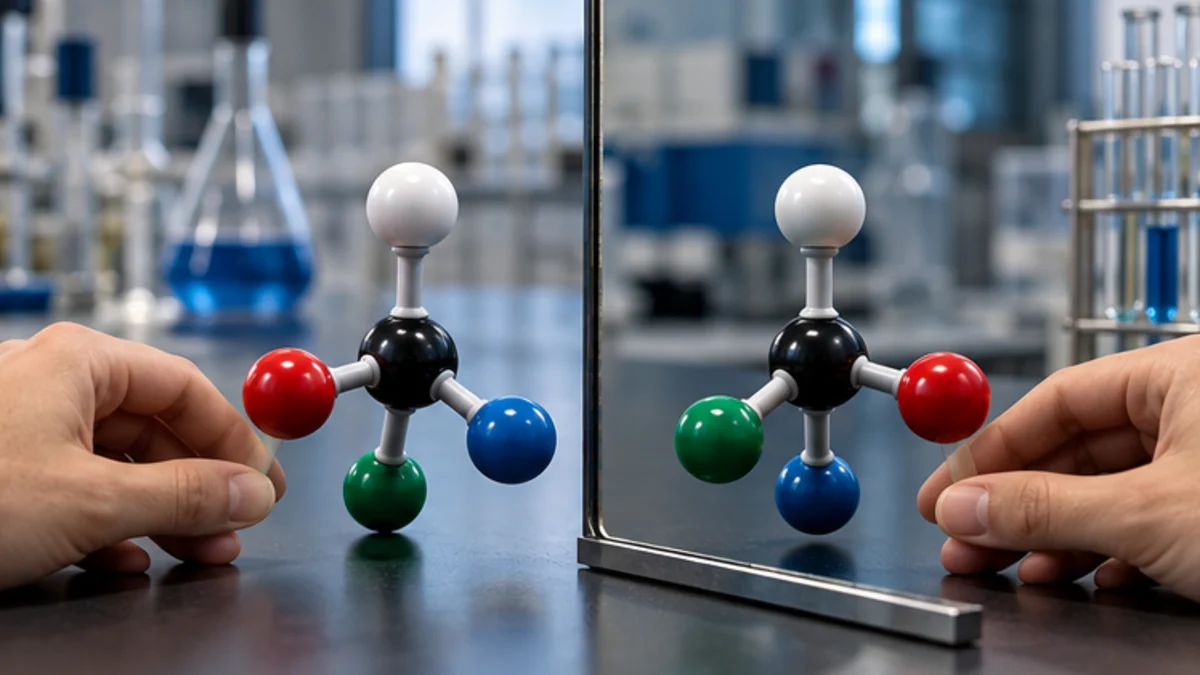
Nobel Prize in Chemistry 2026 honours work on molecular “handedness”
Why in news
On 7 October 2026, the Royal Swedish Academy of Sciences awarded the Nobel Prize in Chemistry to Henri B. Kagan of France and Kenso Soai of Japan for their work on non-linear effects and autocatalysis in asymmetric organic synthesis.
Background
Many molecules exist in two mirror-image forms, called enantiomers, like left and right hands. Living systems usually use only one form, a property called homochirality. Kagan showed that a catalyst that is not perfectly pure in one form can still produce a strongly one-handed product (a non-linear effect), and Soai demonstrated a reaction in which a slight excess of one form amplifies itself (asymmetric autocatalysis). This helps explain how life may have become one-handed and helps chemists make purer medicines.
Key facts for Prelims
- Chirality: a molecule that cannot be superimposed on its mirror image.
- Enantiomers: the two mirror-image forms; they can have very different biological effects.
- Autocatalysis: a reaction product speeds up its own formation.
- Other 2026 Nobels this week: Physiology or Medicine (5 Oct) and Physics (6 Oct).
Mains analysis and way forward
Mains analysis
- Medicines: many drugs must be made as a single enantiomer for safety and effectiveness.
- Basic science: research on the origin of homochirality shows how curiosity-driven work leads to applications.
- India: a strong generic pharmaceutical industry benefits from advances in selective synthesis.
Way forward
- Sustain long-term funding for basic research through the Anusandhan National Research Foundation.
- Strengthen pharmaceutical R&D, not only manufacturing.
Connect the dots: Pharmaceutical sector and R&D; Anusandhan NRF Act, 2023.
Sources: All India Radio: Kagan and Soai win 2026 Nobel Prize in Chemistry, 7 Oct 2026; The Nobel Prize: official site
In brief
- Banking: The RBI removed Paytm Payments Bank Ltd from the Second Schedule of the RBI Act, 1934, after the cancellation of its licence (7 October). Scheduled banks are those listed in this Schedule.
- Parliament: At the 153rd Assembly of the Inter-Parliamentary Union in Arusha, Tanzania, Rajya Sabha Deputy Chairman Harivansh rejected Pakistan’s remarks on Kashmir, calling it an integral and inalienable part of India (7 October).
- Sport: India will present its bid for the 2036 Olympic and Paralympic Games to the IOC Future Host Commission later this month.
- Global economy: The IMF-World Bank Annual Meetings will be held in Bangkok, Thailand, from 12 to 18 October 2026.
- Telecom: The Government clarified that its satellite communication licensing framework is fair and non-discriminatory; all three satellite licensees are at broadly the same stage of security assessment (8 October).
Prelims practice: 5 questions
Choose an option to see the answer and explanation. Your score appears when all five are answered.
Mains practice
Recent developments in monetary policy, international trade and global financial conditions show that domestic economic management in India is increasingly shaped by external shocks. Examine the challenges this interdependence poses and suggest a balanced policy response.
Show the answer outline
Introduction (about 30 words)
- Begin with a current hook: on 7 October 2026 the RBI raised the repo rate to 5.5%, citing oil prices and tighter global financial conditions, even as the WTO raised its goods-trade forecast on AI demand.
Channels of external shocks
- Energy prices: oil and fuel costs feed into transport, food and core inflation.
- Capital flows: higher advanced-economy yields and a strong dollar pressure the rupee and financial conditions.
- Trade: conflict-related disruption, excess capacity and protectionism affect exporters and domestic industry.
- Technology cycles: AI-driven demand creates opportunities but concentrates gains.
Challenges for India
- Balancing inflation control with growth and investment.
- Protecting vulnerable households from imported inflation.
- Fiscal space limits for shock-absorbing support.
- Exposure of MSMEs and services exporters.
- Dependence on concentrated supply chains for energy and electronics.
Balanced response
- Credible, data-dependent monetary policy with clear communication.
- Supply-side action: food stocks, storage, logistics, energy diversification.
- Targeted rather than blanket fiscal support.
- Export diversification and WTO-consistent trade defence.
- Building domestic capacity: semiconductors, renewables, skills.
Conclusion (about 30 words)
- Resilience comes from combining macroeconomic stability with structural reform, so that global integration remains a source of opportunity rather than vulnerability.
Tip: Show the causal links between global events and Indian outcomes rather than listing events. Use one or two of today’s data points as evidence.
Current Canvas is prepared by the UPSC Gurus editorial desk. Every fact is checked against official releases and reliable reporting, with sources listed under each story. Editions are compiled each month into The Canvas magazine.
About images: photographs and illustrations in Current Canvas are AI-generated for illustration only. They are not news photographs of the events described.
News in its full picture, not in fragments
Each story answers the questions an examiner would ask: why it is in the news, what background it needs, which facts matter for Prelims, how to analyse it for Mains, and how it connects to the static syllabus. Every fact is checked against official releases and reliable reporting, and sources are listed under each story.
Why in news
The development, its date and its source, in two clear sentences.
Prelims facts
Articles, bodies, schemes, places and numbers, in crisp points.
Mains analysis
Significance, multiple perspectives and a balanced way forward.
Connect the dots
A line that ties the story to the static syllabus.
How to use Current Canvas
Read in 20 minutes
Start with the 60-second summary, then read the stories that matter for your papers. Open Mains analysis only where you need depth.
Test yourself
Take the five-question quiz the same day. Read every explanation, including for the options you got right.
Write once a week
Attempt at least one Mains question each week in 250 words, using the outline and a data point from the edition.
The Canvas
At the end of every month, the month’s editions are revised, organised by GS paper and compiled into The Canvas, a free monthly magazine for revision. The first issue, October 2026, will be released in early November.
Coming in early November
Preparing for the interview?
Interview Edge is our complimentary, application-based interview preparation programme.